


In oil‑gas
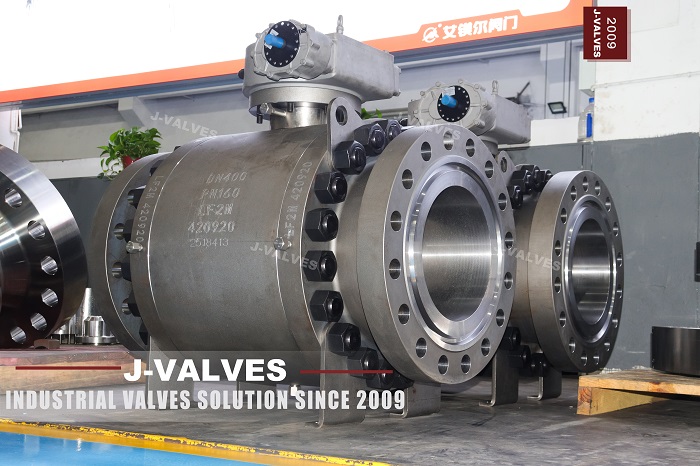
gathering & transmission, LNG receiving terminals and low‑temperature chemical pipelines, large‑bore high‑pressure cryogenic ball valves serve as critical equipment for process isolation. The DN400 PN160 LF2M trunnion‑mounted ball valve complies with API 6D pipeline valve specification and ASTM A350 LF2M low‑temperature forging material standard. It addresses three demanding requirements: large‑bore flow capacity, high‑pressure resistance and anti‑brittlement performance under cryogenic conditions, making it a preferred valve type for many overseas low‑temperature energy projects.
When specifying valves, procurement engineers focus not only on nominal size and pressure rating, but also industry‑recognized standard compliance, material low‑temperature impact performance and structural safety margin. This article analyzes core advantages of this trunnion ball valve from standard compliance, material property, structural performance, application scenarios and verification tests, offering references for low‑temperature high‑pressure pipeline valve selection.
I. API 6D Pipeline‑Grade Standard Guarantees Fundamental Reliability
API 6D is the globally‑recognized authoritative specification for oil and gas pipeline valves, covering design, construction, performance, testing and marking, which differs from general‑purpose industrial valve standards. The DN400 PN160 LF2M trunnion ball valve is designed and manufactured in strict accordance with API 6D. It is equipped with standard Double Block and Bleed (DBB) function to realize bidirectional upstream‑downstream sealing. Internal cavity overpressure can be self‑relieved to avoid safety risks caused by abnormal pressure build‑up inside valve cavity.
Anti‑blow‑out stem structure is adopted. The stem retaining shoulder prevents stem ejection under high internal pressure. Built‑in anti‑static path creates conductive continuity among ball, stem and valve body, eliminating static charge accumulation caused by flowing flammable‑explosive media. It is qualified for API 607 fire‑safe test. Under fire conditions, metal‑to‑metal sealing pair maintains basic shut‑off performance and reduces media leakage risk, suitable for oil, gas and LNG hazardous‑service pipelines.
Face‑to‑face dimension follows ASME B16.10. Pressure‑temperature rating complies with ASME B16.34. Flange ends conform to ASME B16.5, ensuring interchangeability with mainstream international pipeline flange components, simplifying field installation for overseas EPC projectsANSI Webst....
II. LF2M Cryogenic Forged Steel Solves Low‑Temperature Brittle Failure Risk
Ordinary carbon steel suffers ductile‑to‑brittle transition under low‑temperature service. Impact toughness drops sharply, bringing high risk of body cracking under high‑pressure conditions, which is the most critical hazard for cryogenic valves.
ASTM A350 LF2M is forged carbon steel dedicated for low‑temperature high‑pressure service. Charpy V‑notch impact test is mandatory to retain sufficient toughness and resist cold‑brittle fracture at low temperatures.
For DN400 large‑bore size, cast body tends to contain porosity or shrinkage defects. This valve adopts one‑piece forged LF2M body with continuous metal grain flow, minimizing internal defects. It withstands cyclic PN160 pressure load with balanced strength, weldability and cryogenic toughness for service down to ‑46℃, widely used in LNG, low‑temperature ethylene and cold process gas pipelines.
Ball, stem and other internal components are also selected for cryogenic compatibility, matched with special low‑temperature resistant sealing sets. Extended stem option is available to prevent packing freezing and jamming, ensuring smooth valve operation in cold environments.
III. Core Engineering Strengths of DN400 PN160 High‑Pressure Trunnion‑Mounted Structure
Different from floating ball valves, trunnion‑mounted ball is supported by upper and lower trunnion bearings. Media pressure load is undertaken by bearings instead of seats, which makes trunnion design ideal for large‑bore and high‑pressure rating such as DN400 PN160.
1. Full‑bore flow path: DN400 full port minimizes flow resistance and permits pipeline pigging for routine maintenance.
2. PN160 high‑pressure endurance: Forged body sustains large pressure differential during startup‑shutdown and pressure fluctuation cycles.
3. Emergency sealant injection: Seat and stem grease injection ports enable on‑site emergency sealing for minor leakage without full‑line shutdown or valve disassembly.
4. Multi‑actuator compatibility: ISO 5211 top mounting pad supports worm gear, pneumatic, hydraulic and electro‑hydraulic actuators for local manual operation and remote automatic control.
5. Convenient maintenance: Side‑entry trunnion design allows internal component overhaul without removing valve body from pipeline, cutting lifecycle operating cost.
IV. Typical Applications & Key Selection Reminders
DN400 PN160 LF2M trunnion ball valve is widely used in LNG pipelines, cryogenic oil‑gas gathering stations, low‑temperature chemical plants and global energy EPC projects, handling LNG, cold petroleum gas and other low‑temperature process media.
Critical points during specification: First, MTC material test report shall include LF2M low‑temperature impact test records. Second, verify API 6D and API 607 fire‑safe documentation. Third, sealing material must match minimum design temperature. Fourth, evaluate extended stem or heat‑trace accessories according to ambient temperature. Factory acceptance test follows API 598, with shell strength and seat tightness tested per unit to guarantee delivery quality.
V. Conclusion: Standard‑Material‑Structure Triple Protection for Cryogenic High‑Pressure Pipeline Isolation
The competitive strengths of DN400 PN160 LF2M trunnion‑mounted ball valve come from three‑layer safeguards: API 6D pipeline‑valve authoritative standard sets baseline for design; LF2M cryogenic forging steel eliminates cold‑brittle failure risk; large‑bore high‑pressure trunnion structure delivers DBB function, fire‑safe & anti‑static property and emergency sealant injection.
For overseas low‑temperature high‑pressure energy projects, sizing and pressure rating are far from enough. Material impact test reports, standard certification documents and forging quality deserve high priority. If you are sourcing DN400 PN160 cryogenic trunnion ball valves for LNG or cold oil‑gas projects, contact us for full datasheet, sample MTC documents and customized project solutions.


