

LATEST NEWS

DN50 PN63 F304L Stainless Steel Trunnion Mounted Ball Valve: Structure, Selection Criteria And Application Limits
DN50 PN63 F304L trunnion mounted ball valve guide: forged A182 F304L body, PN63 meaning, trunnion vs floating design, test limits and 304L boundaries.
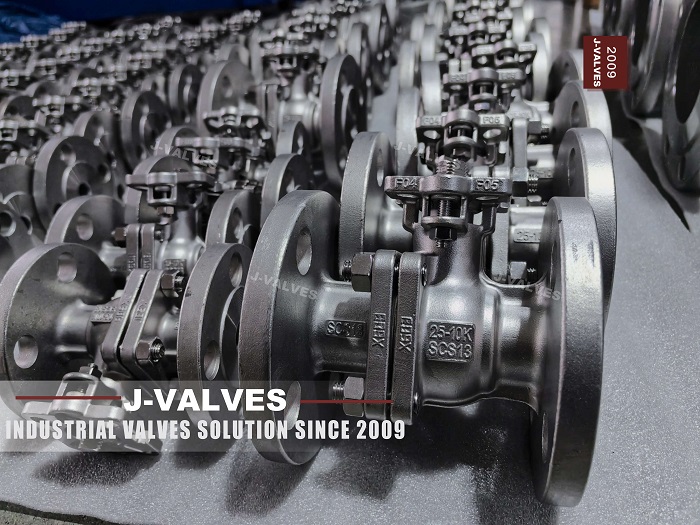
Floating Ball Valve Applications: Working Principle, Selection Guide & Typical Services
Learn how a floating ball valve works, where it's used in oil & gas, chemical and offshore service, and how to choose between a floating and a trunnion ball valve.
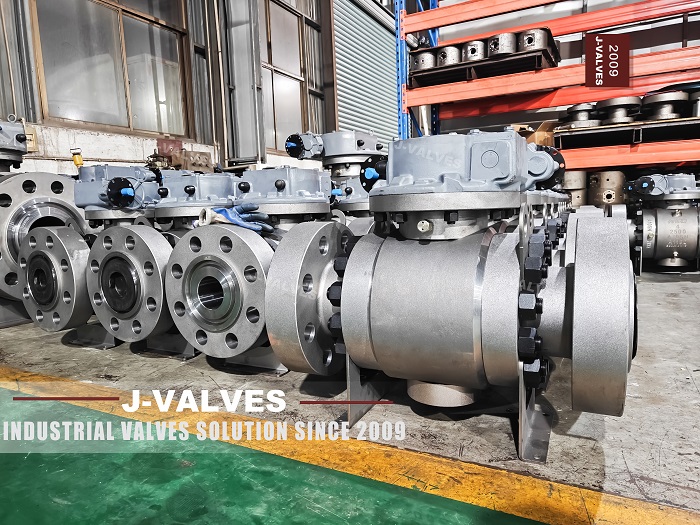
Trunnion Mounted Ball Valves in Offshore Service: How Fixed-Ball Design Handles FPSO, Subsea and High-Pressure Duty
Trunnion ball valves for offshore service: how fixed-ball design manages FPSO, subsea and high-pressure duty, plus material, standard and RFQ selection tips.

Inside The Valve Factory: 3PC Trunnion Ball Valve Manufacturing
Step‑by‑step factory tour of 3‑piece trunnion mounted ball valve production. Manufactured per API 6D, for oil & gas, chemical high‑pressure pipeline projects. Contact J‑VALVES for quotes.

Factory 3PC Trunnion Ball Valves Show Professional Manufacturing Capability
I. Mass‑Production Real‑Scene Shows True Industrial Valve CompetenceIn J‑VALVES manufacturing workshop, large quantities of finished 3‑piece (3PC) trunnion‑mounted ball valves are neatly stacked on wooden pallets, with completed coating and protected flange ends, real‑life deliverable goods for larg

Why Oil And Gas Choose API 6D 3PC Trunnion Ball Valves
API 6D 3‑piece trunnion ball valves deliver high‑pressure tight sealing, fire‑safe performance for oil gas pipeline, refinery and upstream midstream projects. Explore key advantages.

API 6D 3PC Trunnion Ball Valve for Pipeline Safety
API 6D 3‑PC trunnion mounted ball valve safeguards oil & gas pipeline safety via authoritative API 6D specification. Learn its structure, sealing performance and factory test requirements for critical pipeline isolation service.

Three-Piece Stainless Steel Butt-Weld Ball Valve: The First Choice for High-Pressure Applications
This article provides a comprehensive analysis of why three-piece stainless steel butt-weld ball valves excel in high-pressure environments — covering structural design principles, sealing technology systems, pressure-temperature ratings, material selection strategies, and industry application practices — along with a practical selection guide and frequently asked questions to help engineers and procurement professionals make informed decisions.

From Material To Product: 0.75" 150LB C95800 Top Entry Floating Ball Valve
Explore 0.75 inch Class150 C95800 Nickel Aluminum Bronze top entry floating ball valve. Raw material inspection, precision casting and pressure test for seawater & marine corrosive service.

API 6D Technical Insights into A105 Trunnion Ball Valve Low Torque
Based on authoritative API 6D pipeline valve standard, explore technical logic behind low‑torque performance of A105 forged trunnion ball valve. Compare with floating ball valve, learn real‑world benefits for oil & gas and petrochemical projects.