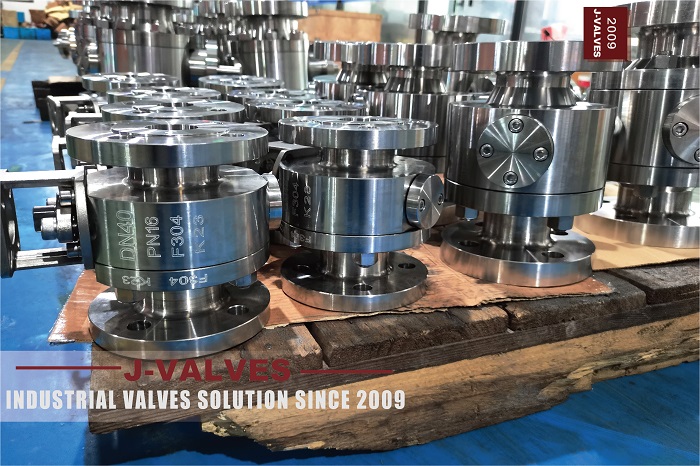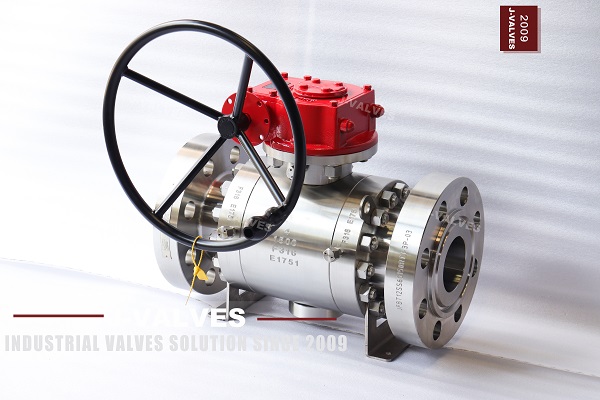


Trunnion-mounted ball valves are essential components in industrial systems, offering reliable control of high-pressure fluids and gases. The design of the trunnion-mounted ball valve comes in two main configurations: top entry and side entry. Understanding the differences between these two designs is crucial for selecting the appropriate valve for your system, especially when it comes to installation.
1. What is a Trunnion-Mounted Ball Valve?
A trunnion-mounted ball valve is a type of ball valve in which the ball is supported by trunnions (shaft-like structures) at the top and bottom, rather than floating freely in the valve body. This design helps to distribute the pressure evenly across the valve seat and is ideal for high-pressure applications, such as oil and gas, chemical processing, and water treatment.
Both top-entry and side-entry designs function similarly but differ in how the valve body is accessed and how the valve is serviced. This has significant implications for installation, maintenance, and operational efficiency.
2. Top Entry vs Side Entry: Key Differences
Top Entry Trunnion-Mounted Ball Valve
Design: In a top-entry design, the valve body is accessed from the top. The valve’s ball and seats can be serviced without removing the entire valve from the pipeline. This is particularly useful for applications where regular maintenance or part replacement is required.
Applications: Top-entry valves are ideal for larger valves (usually DN50 or above) or applications where accessibility to the valve body from the side is limited. They are typically used in high-pressure and high-temperature services, such as oil and gas pipelines.
Advantages:
Ease of Maintenance: The top-entry design allows for easier inspection, cleaning, and replacement of internal components without disassembling the valve from the pipeline.
Compact Design: This design helps to keep the valve size more compact, making it ideal for space-constrained installations.
Safety: By allowing internal maintenance without complete removal, it reduces the potential for system downtime and operational risks.
Side Entry Trunnion-Mounted Ball Valve
Design: Side-entry valves are assembled by inserting the ball from the side of the valve body. Maintenance and servicing typically require the valve to be disassembled and removed from the pipeline. The side-entry design is more common for smaller valves (DN50 or below).
Applications: Side-entry valves are used in applications where the valve is not frequently serviced or where valve size is smaller. They are typically seen in applications where space and installation considerations are more flexible.
Advantages:
Simpler Construction: The side-entry design is simpler and more straightforward, making it easier to manufacture and generally more cost-effective for smaller valve sizes.
Suitable for Smaller Systems: This configuration is ideal for systems where regular maintenance is not required, or for smaller pipelines where access is easier from the side.
Higher Performance in Smaller Valves: For smaller sizes, side-entry valves often offer better flow characteristics and are more efficient in terms of flow control.
3. Installation Considerations for Top Entry and Side Entry Valves
Whether you're working with top-entry or side-entry trunnion-mounted ball valves, proper installation is essential to ensure optimal performance. Here are the key installation considerations for both designs:
Top Entry Trunnion-Mounted Ball Valve Installation
Space and Accessibility: Ensure that the top of the valve is easily accessible for maintenance and servicing. You will need enough space above the valve to lift or access the valve internals.
Alignment: Proper alignment during installation is crucial to avoid stress on the trunnions, which could lead to premature wear or failure. Use correct lifting techniques to avoid damaging the valve during installation.
Sealing: Ensure that the top entry cap and seals are installed correctly to prevent leaks. If the valve is installed in a high-pressure application, double-check that the cap and seals are rated for the system’s pressure.
Torqueing: The bolts that secure the top entry cap should be torqued evenly and in a cross-pattern to avoid any uneven stresses that could affect the performance of the valve.
Side Entry Trunnion-Mounted Ball Valve Installation
Pipeline Alignment: As with top-entry valves, ensuring proper alignment with the pipeline is critical for side-entry valves. Ensure that the valve's flanges are parallel to the pipeline to prevent any misalignment.
Space Requirements: Although side-entry valves require less space for maintenance compared to top-entry valves, there still needs to be enough space to access the valve’s body and remove it for servicing if required.
Lifting and Handling: Side-entry valves should be handled carefully during installation, as the ball and trunnions may shift if not properly supported during handling.
Flange Sealing: Ensure that the flanges are correctly aligned, and the gaskets are installed without damage to avoid leakage once the valve is installed.
4. Maintenance Considerations
One of the major differences between top-entry and side-entry trunnion-mounted ball valves is the ease of maintenance.
Top Entry: These valves are designed for easier maintenance because the valve internals, including the ball and seats, can be accessed from the top. This is especially beneficial for large-diameter valves or those in difficult-to-reach locations.
Side Entry: Servicing side-entry valves generally requires removal from the pipeline, which can be more time-consuming and require additional effort, especially in larger or more complex systems.
5. Advantages of Top Entry vs Side Entry in Different Applications
Top Entry: This design is well-suited for high-pressure, high-temperature applications where frequent maintenance or inspection is required. It's also ideal for larger systems or pipelines where the valve is located in a space with limited side access.
Side Entry: Side-entry valves are often preferred in smaller pipelines or systems where the valve is installed in an easily accessible location. They are also typically more cost-effective for smaller diameter valves.
6. Conclusion
Both top-entry and side-entry trunnion-mounted ball valves have their unique advantages and are suitable for different applications. The key factor in choosing the right valve design depends on the specific requirements of your system, such as size, pressure, maintenance frequency, and installation space.
If you need a valve that is easy to maintain and service without removing it from the pipeline, a top-entry valve might be the best option.
If you are working with smaller valves or systems where access is more flexible, a side-entry valve could be a cost-effective solution.
By understanding the installation and maintenance requirements of each valve type, you can ensure optimal performance and longevity for your trunnion-mounted ball valve system. This installation guide will help you make an informed decision and ensure the reliability of your system.