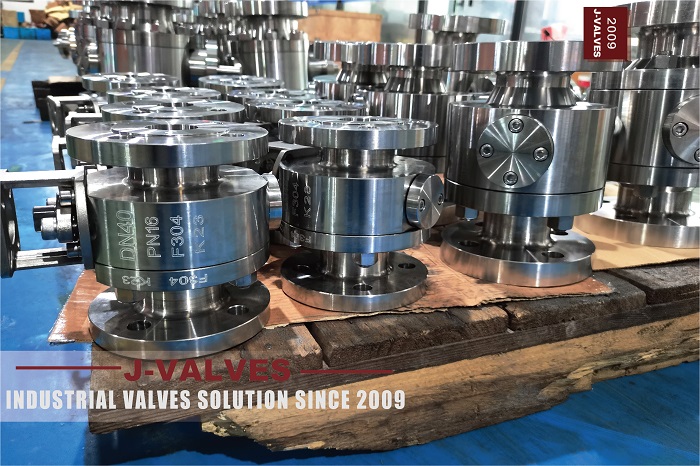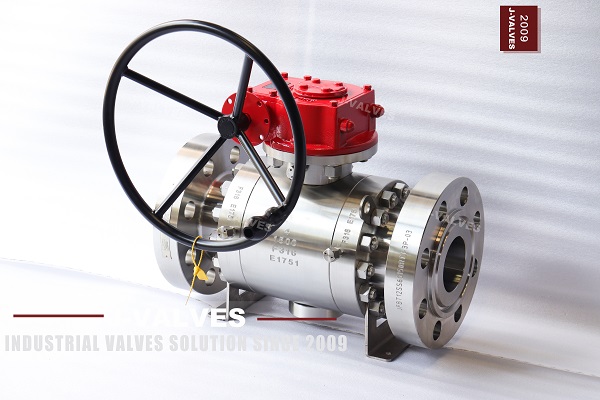


As critical fluid control equipment for special operating conditions, cryogenic ball valves are widely used in ultra-low temperature environments such as liquefied gas transportation, deep space exploration, liquid nitrogen and liquid hydrogen systems. The design and manufacturing of such valves must address various challenges posed by extreme cold, including material embrittlement, valve seal failure, and thermal expansion and contraction. Therefore, understanding the working principle, design requirements and application scenarios of cryogenic ball valves is crucial to ensuring their efficient operation under harsh conditions.
1. Overview of Cryogenic Ball Valves
Cryogenic ball valvesare specially designed to control fluid flow in ultra-low temperature conditions, typically used in pipeline systems for transporting cryogenic fluids such as liquefied natural gas (LNG), liquid nitrogen (LN2) and liquid hydrogen (LH2). Their primary function is to isolate or regulate the flow of cryogenic fluids while ensuring the valve's sealing performance and durability.
Due to the unique properties of cryogenic fluids, these valves must possess excellent low-temperature resistance to operate reliably in the extreme cold of media like liquid nitrogen and LNG. Designed with either full bore or differential pressure regulation, cryogenic ball valves deliver high sealing performance while enabling high-flow rate regulation.
2. Working Principle of Cryogenic Ball Valves
Cryogenic ball valves usually adopt a full bore design, which effectively reduces fluid flow resistance inside the valve and thus minimizes flow loss. Their working principle is similar to that of conventional ball valves, with specialized optimizations in design and material selection for low-temperature environments.
Sealing Performance
Cryogenic ball valves use metal sealing or low-temperature resistant soft sealing materials to adapt to physical changes in ultra-low temperature environments. Sealing performance is particularly critical at low temperatures, and the tight fit between the sealing ring and the ball prevents fluid leakage.
Material Selection
Conventional materials tend to embrittle or lose toughness in ultra-low temperature environments. Therefore, cryogenic ball valves are typically manufactured from stainless steel, aluminum alloy or special alloy materials, which effectively resist cold-induced embrittlement while offering excellent mechanical properties and corrosion resistance.
Thermal Expansion Management
Materials exhibit significant changes in thermal expansion coefficients in low-temperature environments, which may cause deformation of internal valve components. Cryogenic ball valve designs incorporate special structures or adaptive designs to mitigate the impact of thermal expansion and contraction.
Operation Methods
Cryogenic ball valves are equipped with electric, pneumatic or manual actuation devices, with structural designs that prioritize operational convenience and safety in low-temperature conditions.
3. Design Requirements for Cryogenic Ball Valves
The design of cryogenic ball valves must take into account the following key factors:
Low-Temperature Adaptability: Sealing materials, internal components and external structures must withstand temperature variations in ultra-low temperature environments to avoid embrittlement, aging or deformation at low temperatures.
High Sealing Performance: Liquefied gases typically maintain high pressure at extreme low temperatures, making sealing performance paramount. Metal sealing rings or low-temperature resistant rubber materials are used in the design to ensure optimal sealing effects.
Vibration Resistance: Ultra-low temperature environments may generate significant mechanical stress and vibration, so the valve structure must have sufficient seismic resistance and toughness to prevent leakage or damage caused by vibration.
Corrosion Resistance: Cryogenic gases such as liquid nitrogen and liquid hydrogen may have strong corrosive properties. Therefore, the internal and external structures of the valve require excellent corrosion resistance, usually achieved with stainless steel or other alloy materials.
4. Application Fields of Cryogenic Ball Valves
Cryogenic ball valves are widely used in the following fields:
4.1 Liquefied Natural Gas (LNG)
The transportation and storage of LNG in the LNG industry rely on cryogenic ball valves to ensure the efficient delivery of gas. With LNG temperatures as low as -162°C, cryogenic ball valves must feature exceptional sealing and pressure resistance to effectively control fluid flow.
4.2 Liquid Hydrogen (LH2)
Liquid hydrogen is a high-efficiency, environmentally friendly energy source whose storage and transportation require an ultra-low temperature of approximately -253°C. LH2 imposes extremely high requirements on valve materials and sealing performance, and cryogenic ball valves have become an indispensable piece of equipment in the liquid hydrogen industry due to their excellent low-temperature resistance.
4.3 Liquid Nitrogen (LN2)
Liquid nitrogen is commonly used in the medical, food industry and gas storage sectors, with temperatures as low as -196°C. Cryogenic ball valves prevent gas leakage and temperature fluctuations during the transportation and storage of liquid nitrogen, ensuring the stable operation of equipment.
4.4 Chemical and Refrigeration Engineering
Cryogenic ball valves are also extensively used in chemical reactions, refrigeration engineering and liquefied gas processing. Their outstanding sealing performance and low-temperature resistance make them an essential key component in precision refrigeration equipment.
5. Advantages of Cryogenic Ball Valves
High-Efficiency Sealing: Cryogenic ball valves deliver superior sealing performance to effectively prevent fluid leakage.
Excellent Low-Temperature Resistance: Proper selection of low-temperature materials and optimized design enable stable operation in ultra-low temperature environments.
Long Service Life: The use of wear-resistant, corrosion-resistant and vibration-resistant materials in the design extends the valve's service life.
High Reliability: Adaptable to complex working conditions such as high pressure and low temperature, ensuring the long-term stable operation of equipment.
6. Conclusion
As high-tech equipment for extreme low-temperature environments, cryogenic ball valves play an irreplaceable role in fields such as LNG, liquid hydrogen and liquid nitrogen. Through optimized design in material selection, sealing technology and thermal expansion management, cryogenic ball valves provide reliable fluid control solutions in harsh environments. With the growing global demand for liquefied gases, the application of cryogenic ball valves will continue to expand, and their potential in high-tech fields of the future is unlimited.