J-VALVES · Ball Valve Manufacturer · Wenzhou, China info@j-valves.com +86-13600648865

INDUSTRY SOLUTIONS·OIL & GAS / REFINING

Ball Valves for Oil & Gas, Refining and

Petrochemical

API 6D and API 608 ball valves across the hydrocarbon chain - upstream gathering, midstream pipelines, refineries and petrochemical plants, from 1/2 to 56 inch and Class 150 to 2500.

API 6D

API 607 / ISO 10497 fire-safe

ISO 15848-1 low emission

NACE MR0175

ISO 9001 / 14001 / 45001

EN 10204 3.1

1/2 to 56 inch

Size range DN15-DN1400

API 6D / 608

Pipeline & process ball valves

Class 150-2500

PN10-PN420

NACE MR0175

Sour service materials

API 607

Fire-safe certified

30inch CL2500

Largest valve we test
Home index Oil & Gas/Refining

Oil & Gas / Refining

Built for Hydrocarbon Duty

J-VALVES supplies API 6D and API 608 ball valves across the hydrocarbon chain - upstream gathering, midstream pipelines, refineries and petrochemical plants - from 1/2 to 56 inch (DN15-DN1400) and Class 150 to 2500, in carbon steel, low-alloy, stainless and duplex materials.

Process lines, manifolds, metering stations and tank farms all ask the same question: will this valve hold isolation after years of thermal cycling and sour media? Our trunnion, DBB and metal-seated ball valves answer with fire-safe certification, NACE sour service material control and test reports for every piece.

Because our two plants cover both pipeline and process valve families, you can source mainline trunnion valves, DBB metering valves, metal-seated high-temperature valves and utility floating valves from one supplier - with one documentation format and one inspection standard across the whole order.
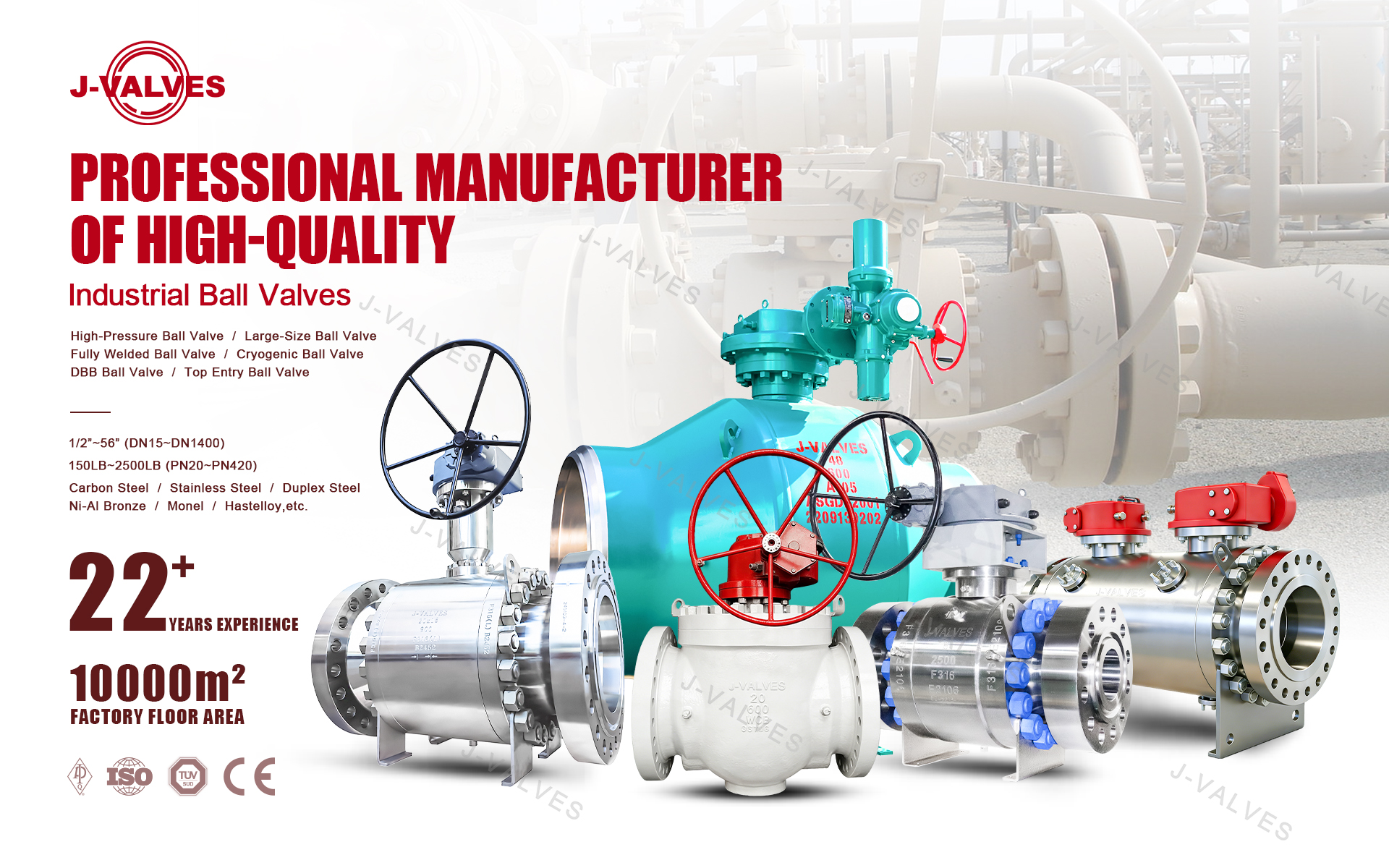
J-VALVES ball valve range: trunnion, floating and gear operated API 6D valves made at our 15000 m2 factory in Wenzhou
Trunnion, DBB and floating ball valves built for hydrocarbon duty
DBB ball valves packed on pallets in the J-VALVES warehouse, ready for dispatch to oil and gas pipeline projects
DBB ball valves packed for dispatch to pipeline projects

GLOBAL MARKET ACCESS

Can You Sell Our Valves in Your Market?

Market access is a commercial question, not a technical footnote. This is how we support the compliance route for the main destination markets - confirm your market and application with us and we will state in writing exactly which certificates apply.
Target marketWhat your market usually requiresWhat J-VALVES providesEvidence in the documentation package
European UnionCE marking under the Pressure Equipment Directive, material certificates to EN 10204, technical fileCE / PED conforming valves, EU-format material certificates, declaration of conformity and technical file supportCE declaration of conformity, EN 10204 3.1 certificates, pressure test records
United KingdomUKCA marking as the post-Brexit route for pressure equipmentUKCA-aligned marking and documentation support where both UK and EU markets are servedUKCA declaration and supporting technical documentation
North America (US / Canada)API product standards, ASME B16.34 design, CRN registration in some Canadian provincesAPI 6D, API 608, API 600 and API 602 products, ASME-compliant design, CRN documentation supportAPI certification records, ASME design data, CRN submission support
Gulf and Middle EastAPI-certified products, operator vendor listing, SASO / G-mark where applicableAPI certified products, vendor-listing support, NACE MR0175 sour service materials, third-party inspectionAPI certificates, NACE material records, TPI reports
Russia and CISEAC / TR CU conformity for customs union entryEAC conforming products and documentation for the customs union marketEAC certificates and technical passports
Latin AmericaLocal conformity where regulated (for example INMETRO in Brazil), plus full project documentationProject documentation packages, third-party inspection coordination, translated labelling on requestConformity support documentation, TPI reports, translated labels
Australia and Asia-PacificProject specifications, water authority approvals for potable service, AS alignmentAS-aligned design review, potable-water material options, complete project documentationMaterial and coating certificates, potable-water compliant material records
Certification scope varies by product, size and market. We confirm in writing which certificates apply to your specific product and destination before you order - we never assume an approval covers a product it does not.

SELECTION GUIDE

Hydrocarbon Service Selection Matrix

Valve selection by plant area and service condition - the table we use to review refinery, pipeline and petrochemical valve lists.
Plant area / serviceRecommended valveBody / trim materialGoverning standard
Upstream gathering & wellhead manifoldsTrunnion or floating, sour serviceA352 LF2 / LCC, hardness controlledAPI 6D, NACE MR0175
Pipeline mainline block & section valvesTrunnion mounted, full port, weld endsA216 WCB / A352 LF2, PTFE or metal seatAPI 6D, ASME B16.34
Metering stations & manifold isolationDBB trunnion, cavity reliefWCB / LF2 with double sealing surfacesAPI 6D, API 598
Crude distillation & hydrotreatingMetal seated or DBB, high temperatureWC6 / WC9 alloy or CF8M, hard-faced seatsAPI 608, ASME B16.34
Coker, catalyst & slurry linesMetal seated, erosion resistantAlloy body with tungsten carbide or Ni overlayAPI 608, project specification
Tank farm loading & vapour recoveryTrunnion or floating, fire-safeWCB with FBE coating optionAPI 6D, API 607
Utility & offplot (cooling water, air, fuel oil)Floating, cost-effectiveCF8M / SS316 or WCB, EPDM / PTFE seatAPI 608

Applications

Where Our Oil & Gas Ball Valves Are Specified

Sour service · Class 300-2500

Upstream Gathering & Wellhead

Sour-service floating and trunnion ball valves for gathering lines and wellhead manifolds, with NACE MR0175 material control, antistatic design for flammable media and hardness-verified welds. Materials and certificates are traceable to heat number for operator documentation.
NACE MR0175 / ISO 15156 materials
Antistatic ball-stem continuity
PMI and hardness verification
Weld-end or flanged connections

Class 600-900 · 56" capability

Midstream Pipelines & Metering

API 6D trunnion ball valves up to 56 inch for mainline block valves, section valves and metering stations, with full-port options, weld ends, double block and bleed configurations and cavity relief. Large-bore valves are hydrostatically tested in our plant before dispatch.
Full or reduced port, 2"-56"
Double block and bleed with cavity relief
Weld ends matched to line pipe
Sealant injection and drain ports on request

High temperature · metal seated

Refining Process Units

DBB and metal-seated ball valves for crude distillation, hydrotreating and coker units, handling high temperature, thermal cycling and catalyst-laden media. Hard-faced ball and seat surfaces maintain sealing where soft seats would degrade.
Metal seated with hard-faced surfaces
Cast and Forged body options
Graphite or metal gaskets for high temperature
Drain and vent ports for maintenance

Corrosive media · duplex options

Petrochemical & Chemical Plants

Corrosion-resistant ball valves in stainless, duplex and nickel-alloy executions for acid, solvent and monomer lines, with PTFE, PEEK or metal seating matched to the medium. Media compatibility is reviewed during quotation so material selection is documented, not assumed.
CF8M / duplex 2205 / 2507 bodies
PTFE, PEEK, DEVLON or metal seats
Media compatibility review at quotation
Antistatic and fire-safe options

Fire-safe · Class 150-300

Storage & Tank Farm Terminals

Fire-safe certified ball valves for tank farm loading, transfer and vapour recovery lines, with FBE coating options for external corrosion protection in coastal or humid environments. Lockable handles and position indication support safe operating procedures.
API 607 / ISO 10497 fire-safe
FBE or epoxy external coating
Lockable handle and position indicator
Vapour service seat selection

Cost-effective · Class 150-300

Utility & Offplot Systems

Cost-effective floating ball valves for steam tracing headers, cooling water, instrument air and fuel oil utilities across the plant fence, supplied in the same documentation format as the critical valves so one order covers the whole project.
DN15-DN200 floating valves
CF8M / SS316 or WCB bodies
Same documentation format as critical valves
Actuated options for remote operation

Engineering

Engineering Choices That Protect Plant Uptime

01

API 6D Pipeline Compliance

Trunnion ball valves designed and certified to API 6D with double block and bleed, cavity relief and sealant injection features - the technical baseline most pipeline operator specifications are written around.

02

Fire-Safe and Sour Service

API 607 / ISO 10497 fire-safe type approval combined with NACE MR0175 / ISO 15156 sour service material control, verified by PMI and hardness testing and documented with EN 10204 3.1 certificates.

03

High Pressure, Proven on the Bench

Class 2500 trunnion ball valves with in-house test capability up to 30" Class 2500 - nameplate ratings proven under water pressure before dispatch, with the test record included in the delivery documents.

Technical Detail

Material and Standard Pairing We Apply

Correct material pairing is what keeps a valve leak-free for a full turnaround cycle - not the catalogue description.
ItemWhat we do
Carbon steel, non-sour, moderate temperatureA216 WCB / WCC with PTFE seats - the cost-effective baseline for water, air, fuel oil and general hydrocarbon service up to moderate temperature
Low-temperature or sour serviceA352 LCC / LF2 with NACE MR0175 hardness control, PMI verification and EN 10204 3.1 certificates, suitable for H2S-containing and low ambient temperature duty
High temperature (refining)WC6 / WC9 chrome alloy or CF8M bodies with metal seats and hard-faced sealing surfaces for thermal cycling and elevated temperature lines
Corrosive and chemical serviceCF8M, duplex 2205 / 2507 and nickel alloys with PTFE, PEEK or metal seating selected for media compatibility
Erosion-prone service (catalyst, slurry)Tungsten carbide or nickel-based overlay on ball and seat, full-port geometry to reduce velocity across the sealing surface
Fire-safe and emission-critical dutyAPI 607 / ISO 10497 fire-safe construction with ISO 15848-1 qualified packing for hydrocarbon and VOC service

Project Experience

Oil & Gas Project Experience

The references below follow our project-record structure. Replace or extend with current project data before publishing.

Pipeline · Trunnion · API 6D

Large-bore trunnion ball valves for an oil transmission pipeline

Challenge
Mainline isolation valves had to hold tight shutoff with double block and bleed capability, plus documented pressure testing for the operator's acceptance procedure.
Solution
API 6D trunnion mounted ball valves with full port, cavity relief, drain and vent ports, weld-end preparation matched to line pipe, and hydrostatic shell test at 1.5x plus seat test at 1.1x rated pressure.
Result
Delivered with complete pressure test and material documentation; valves passed field acceptance without rework.

Refinery · Metal seated · High temperature

Metal-seated ball valves for refinery high-temperature service

Challenge
Thermal cycling in a refining unit degraded soft seats, causing leakage and repeated maintenance during the run cycle.
Solution
Metal-seated ball valves with hard-faced ball and seat surfaces, alloy bodies selected for the temperature range, graphite gaskets and drain ports for maintenance access.
Result
Sealing maintained through thermal cycling with reduced maintenance interventions compared with the previous soft-seated valves.

Metering skid · DBB · Sour

DBB ball valves for a metering and manifold station

Challenge
Double isolation with cavity bleed was required for maintenance safety on a sour service manifold, with documentation proving the double sealing arrangement.
Solution
DBB trunnion ball valves with two sealing surfaces and cavity bleed port, NACE-compliant materials with hardness control, and functional testing that verified each sealing path separately.
Result
Accepted by the operator's inspection team with cavity and seat test records provided per valve.

Risk Control

Hydrocarbon Failure Modes and Our Countermeasures

Failure modeRoot causeJ-VALVES countermeasure
Seat erosion in catalyst and slurry serviceHard particles passing across the sealing surface at high velocityMetal-seated design with tungsten carbide or nickel-based overlay, full-port geometry to reduce velocity, and drain ports to prevent solids accumulation
Galling on ball and seat surfacesMetal-to-metal contact under high seating load without adequate surface treatmentSurface hardening or overlay on sealing surfaces, controlled seat pre-load, and material pairing selected to avoid galling pairs
Fugitive emissions above permit limitsPacking relaxation and stem seal degradation in gas and VOC serviceISO 15848-1 qualified packing with live-loaded gland, anti-extrusion rings and emission test data supplied with the certificate
Thermal cycling leakage in refining unitsDifferential expansion between ball, seat and body opening sealing contactMetal seat designs with pre-load calculated for the temperature range, and material selection matched to the actual operating envelope
Cavity overpressure in liquid serviceTrapped liquid expanding in the cavity with temperature riseSelf-relieving seat design or cavity relief port so trapped pressure is released safely instead of loading the sealing surfaces
Corrosion failure in sour or chemical serviceMaterial or hardness outside the limits required by the service specificationNACE MR0175 / ISO 15156 material control, PMI and hardness verification, and media compatibility review documented at quotation

Quality

Testing and Quality Control for Hydrocarbon Valves

The sequence below applies to pipeline and process orders; witness points can be attended by third-party inspectors.

01 Material & Chemical Composition Inspection

Chemical composition, mechanical properties, PMI and hardness verification for sour service, with heat-number traceability to EN 10204 3.1 certificates.

02 Dimension & Machining Inspection

Dimensional inspection against approved drawings - face-to-face, bore, flange and weld-end dimensions - with records linked to the valve serial number.

03 Assembly & Functional Testing

Assembly, seat alignment, stem torque measurement and antistatic continuity verification before pressure testing.

04 Body Strength Test

Hydrostatic shell test at 1.5x rated pressure with digital record, holding time per API 598 / API 6D.

05 Seat Leakage Test

Seat leakage test at 1.1x rated pressure in high and low pressure sequence, with zero visible leakage acceptance for soft-seated valves.

06 NDT & Hardness Recheck

RT, UT, MT and PT on welds and critical sections as specified, with hardness verification on sour service components.

07 Coating & Marking Inspection

Coating DFT and visual inspection, nameplate and marking verification including API 6D required markings.

08 Third-Party Witness & Document Package

Witnessed testing by BV / SGS / TUV or customer inspector, final inspection and compilation of the complete documentation package.
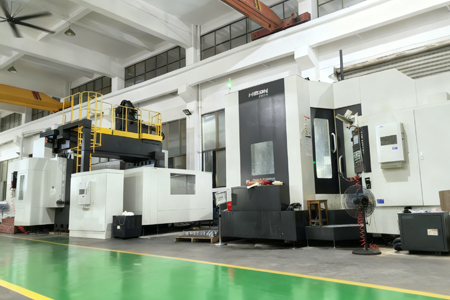
J-VALVES CNC machining workshop for ball valve bodies and balls
CNC machining workshop - ball valve bodies and balls
Fully welded ball valve production line in J-VALVES factory
Fully welded ball valve production line
Hydraulic pressure test bench for valves up to Class 2500
Hydraulic pressure test bench up to Class 2500
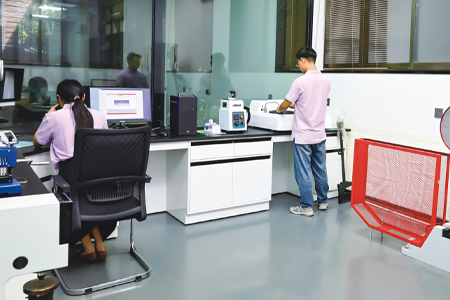
Physical and chemical laboratory for PMI and material verification
Physical & chemical laboratory - PMI and material verification
Extended bonnet cryogenic ball valve under -196°C testing in the J-VALVES low-temperature laboratory, Wenzhou plant
Low-temperature laboratory testing to -196°C

Standards

Standards Behind Our Oil & Gas Valve Range

API 6D — Pipeline and transportation valves - double block and bleed, cavity relief, weld-end capability, marking and documentation requirements.
API 608 — Metal ball valves for flanged, threaded and welded ends in process service - the base standard for refinery and petrochemical ball valves.
API 600 / API 602 — Gate valve standards covering the gate, globe and check valve range produced at our second plant for complete project packages.
API 607 / ISO 10497 — Fire-safe type testing of quarter-turn valves - expected on hydrocarbon, vapour and safety-related services.
NACE MR0175 / ISO 15156 — Sour service material requirements - hardness limits, material selection and welding controls for H2S-containing environments.
NACE MR0103 — Materials resistant to sulfide stress cracking in corrosive petroleum refining environments - applied to refining service where specified.
ISO 15848-1 / EN 10204 3.1 — Fugitive emission qualification and material certification traceable to heat numbers and test results.

Deliverables

Documentation Package for Oil & Gas Orders

ITP with witness and hold points
EN 10204 3.1 material certificates
Dimensional inspection report
Hydrostatic shell and seat test reports
NDE reports (RT / UT / MT / PT)
PMI and hardness verification report
Coating inspection report
Fire-safe and low-emission certificates where applicable
Operation & maintenance manual and spare parts list
Packing list with marking details

Technical Support

Talk to the Engineer Who Will Build Your Valves

Refinery, pipeline and petrochemical enquiries are handled directly by our project engineer and sales manager. Send your valve list or data sheet and you will receive a technical response with a compliance/deviation list, material proposal and testing scope - usually within 24 hours on working days.


Technical response within 24 hours on working days

Coating system proposed against your water chemistry

Compliance and deviation list before quotation

Drawings for approval in 3-5 working days after order

Third-party inspection and coating witness testing welcomed


Refinery process units and piping at dusk - typical service environment for J-VALVES API 6D trunnion and DBB ball valves

FAQ

Oil & Gas Ball Valve FAQ

Which ball valves are used in oil and gas pipelines?

Oil and gas pipelines use API 6D trunnion mounted ball valves for mainline block and section isolation, DBB ball valves for double isolation at manifolds and metering stations, and fully welded ball valves where zero flange leakage is required - in sizes up to 56 inch and Class 2500 at J-VALVES.

What is the difference between API 6D and API 608 ball valves?

Do you supply ball valves for refinery high-temperature service?

When should I choose a metal seated ball valve instead of a soft seated one?

How do you handle cavity pressure relief in liquid service?

What materials do you recommend for sour service?

Can you supply a complete valve package for a refinery or pipeline project?

How do you control fugitive emissions on gas and VOC service?

Get a Factory Quote

Send your specification, valve list or drawing set - technical proposal and quotation within 24 hours on working days.
Related applications:

OEM & ODM Private Brand Ball Valves

LNG & Cryogenic Ball Valves