I. Understanding Trunnion Ball Valves
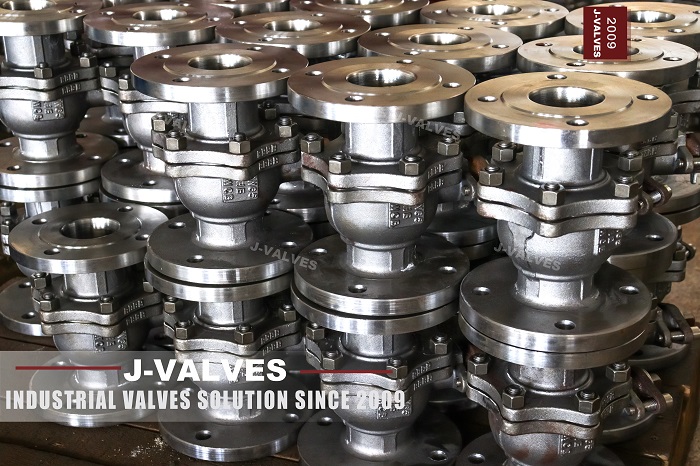
Trunnion ball valves are a type of ball valve that uses a trunnion mechanism to secure the ball in place. This design prevents axial movement of the ball, ensuring reliable sealing and reducing wear. Trunnion ball valves are renowned for their high-pressure resistance and ability to handle large flow rates, making them ideal for critical industrial applications.
II. Key Industry Standards for Trunnion Ball Valves
1. API 6D
API 6D is one of the most important standards for pipeline valves, including trunnion ball valves. It specifies requirements for the design, manufacturing, testing, and documentation of pipeline valves. Compliance with API 6D ensures that the valve meets the safety and performance standards required for use in oil and gas pipelines.
Design Requirements: The valve design must comply with API 6D, including specifications for pressure-temperature ratings, face-to-face dimensions, and end connections.
Testing: API 6D mandates rigorous testing, such as hydrostatic testing, fire testing, and fugitive emission testing, to ensure the valve’s integrity and safety.
2. API 607
API 607 is a standard focusing on fire testing for quarter-turn valves, including trunnion ball valves. Compliance with API 607 ensures that the valve can maintain its integrity and prevent leakage during and after exposure to fire.
Fire Testing: Valves must undergo fire tests to demonstrate their ability to resist leakage under fire conditions.
Post-Fire Performance: The valve must maintain a tight seal after fire exposure to prevent the release of hazardous substances.
3. API 608
API 608 applies to forged steel valves, including trunnion ball valves. It specifies requirements for the design, manufacturing, and testing of these valves.
Design and Manufacturing: Valves must be designed and manufactured in accordance with API 608, ensuring the use of high-quality materials and construction.
Testing: API 608 requires pressure testing and other performance tests to ensure the valve meets essential standards.
4. ASME B16.34
ASME B16.34 specifies standards for the design, testing, and documentation of valves, including trunnion ball valves. Compliance with ASME B16.34 ensures the valve meets necessary safety and performance criteria.
Pressure-Temperature Ratings: The valve design must withstand specified pressure and temperature ratings.
Testing: ASME B16.34 requires rigorous testing, including hydrostatic and pneumatic tests, to ensure the valves integrity.
5. ISO 15848
ISO 15848 is a standard addressing fugitive emissions from valves. Compliance with ISO 15848 ensures the valve meets environmental and safety requirements for low emissions.
Emission Testing: Valves must undergo fugitive emission testing to ensure they meet specified emission limits.
Documentation: Detailed records of emission test results are required to demonstrate compliance.
III. Measures to Ensure Compliance
1. Design and Manufacturing
Material Selection: Choose high-quality materials that meet specified standards, such as stainless steel, carbon steel, or specialized alloys.
Design Verification: Use advanced design and analysis software, such as Finite Element Analysis (FEA) and Computational Fluid Dynamics (CFD), to verify valve designs.
Manufacturing Processes: Ensure all manufacturing processes (including machining, welding, and assembly) are performed to the highest standards.
2. Testing and Certification
Factory Testing: Conduct rigorous factory testing, including hydrostatic, pneumatic, and fire tests, to ensure the valve meets specified standards.
Third-Party Certification: Obtain third-party certification from recognized organizations such as API, ASME, or ISO to demonstrate compliance.
Documentation: Maintain detailed records of all testing and certification processes to prove compliance.
3. Quality Control
Quality Management Systems: Implement robust quality management systems (e.g., ISO 9001) to ensure consistent quality and compliance.
Inspections and Audits: Conduct regular inspections and audits to ensure ongoing compliance with industry standards.
Training: Provide training for all personnel involved in the design, manufacturing, and testing of trunnion ball valves to ensure they understand necessary standards and procedures.