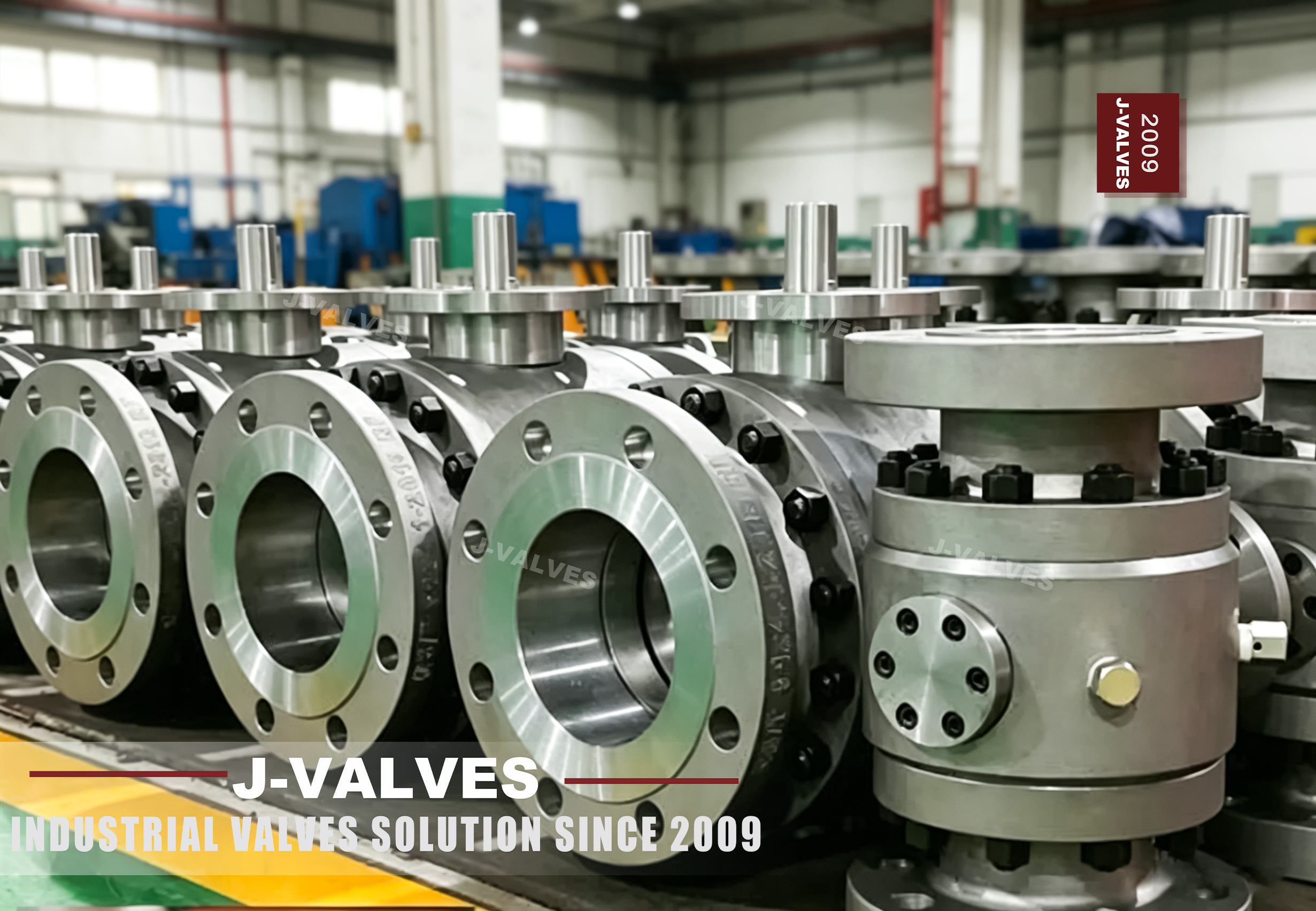
In industrial fluid control systems, valves are integral components responsible for regulating the flow of liquids and gases. Among the different types of valves, the three-piece ball valve is widely preferred for its versatility, reliability, and ease of maintenance. These valves are especially useful in systems that require frequent maintenance, robust performance, and the ability to handle high-pressure environments.
What is a Three-Piece Ball Valve?
A three-piece ball valve is a type of valve where the body is composed of three separate pieces: two end pieces (or body parts) and a central valve body that houses the ball. The ball itself has a hole or port that aligns with the flow when open and blocks the flow when turned perpendicular to the pipe. The three-piece design offers distinct advantages in terms of installation, maintenance, and repair.
The three-piece ball valve typically features flanged connections, making it highly adaptable to various industrial systems, from water treatment and oil & gas pipelines to chemical processing and power generation. The ability to disassemble the valve without removing it from the pipeline is one of the defining features of this valve design.
Key Features and Benefits of Three-Piece Ball Valves
Ease of Maintenance and Disassembly
One of the standout features of the three-piece design is its easy disassembly and maintenance. Unlike traditional one-piece valves, which require the entire valve to be removed from the pipeline for repairs, the three-piece ball valve allows for the removal of the central body without disconnecting the entire valve from the pipeline. This makes it cost-effective and time-efficient to repair or replace parts, especially in systems that require frequent servicing.
Durability and Robust Performance
Three-piece ball valves are known for their high durability and ability to withstand harsh conditions. The robust materials used in manufacturing, including stainless steel, carbon steel, and alloy metals, ensure that these valves can operate effectively in high-pressure and high-temperature environments. This makes them ideal for use in industries such as oil and gas, chemical processing, and power generation.
Versatility in Installation
These valves are highly versatile in terms of installation. The flanged connections on either side of the valve allow for easy integration into piping systems. Whether you're dealing with a new installation or retrofitting an existing system, the three-piece ball valve provides flexibility to adapt to various pipe configurations and sizes.
Leak-Proof Design
Three-piece ball valves are designed to provide excellent sealing performance. When the ball is in the closed position, the seals prevent leaks and maintain system pressure. This is especially important in applications where leakage could lead to operational inefficiencies, product contamination, or safety hazards.
High Flow Capacity
The design of the three-piece ball valve minimizes flow resistance when the valve is fully open. The straight-through flow path ensures that the fluid can pass through the valve with minimal disruption, making these valves suitable for high-flow applications. They are commonly used in applications where high throughput is required, such as in water treatment systems or chemical transport pipelines.
Applications of Three-Piece Ball Valves
Oil and Gas Industry
In the oil and gas industry, where pipelines and processing plants operate under high pressures and aggressive conditions, three-piece ball valves are crucial for controlling the flow of crude oil, natural gas, and other fluids. These valves are used in both upstream (exploration and production) and downstream (refining and distribution) processes, ensuring safe and efficient fluid management.
Chemical Processing
Chemical plants that handle corrosive, toxic, or high-temperature fluids rely on three-piece ball valves for their reliability and corrosion resistance. These valves are used in systems that involve chemical mixing, fluid transfer, and reaction vessels, where safe and precise flow control is essential.
Water Treatment and Distribution
In water treatment plants, three-piece ball valves are used to regulate the flow of water during filtration, chemical dosing, and distribution processes. Their ability to maintain tight shutoff under high pressure is critical for preventing leakage and ensuring the purity of treated water.
Power Generation
In power plants, three-piece ball valves are used in boiler feed systems, cooling water systems, and steam lines. These valves help control the flow of water and steam, ensuring efficient heat exchange and maintaining optimal system performance in high-pressure conditions.
Food and Beverage Industry
In the food and beverage industry, where cleanliness and hygiene are paramount, three-piece ball valves are often used for controlling the flow of liquids and gases. These valves are easy to clean and maintain, which is essential for ensuring sanitary conditions and product safety.
Pharmaceutical Manufacturing
In pharmaceutical manufacturing, where precise flow control and the prevention of contamination are critical, three-piece ball valves are used in the transport and mixing of active ingredients and solvents. The ability to disassemble the valve for thorough cleaning ensures that no cross-contamination occurs between batches.
Why Choose a Three-Piece Ball Valve for Your System?
Cost-Effective Maintenance: The ability to repair or replace components without removing the valve from the pipeline reduces both labor costs and downtime in industrial operations. This makes the three-piece ball valve a highly cost-effective solution for high-maintenance systems.
Enhanced Safety: In industries such as oil and gas or chemical processing, where safety is a top priority, the robust design of the three-piece ball valve ensures leak-proof performance, minimizing the risk of hazardous spills and contamination.
Adaptability to Various Applications: Whether it's a small pipeline or a large-scale industrial system, the versatility of the three-piece ball valve allows it to be used in a wide range of industries, including water treatment, chemical, power generation, and food processing.
Superior Flow Control: The design of the three-piece ball valve ensures minimal flow resistance, making it suitable for high-flow applications and optimizing system efficiency in demanding environments.
Conclusion
The three-piece ball valve is a reliable, durable, and versatile valve solution suitable for a variety of industrial applications. Its ease of maintenance, high-pressure capabilities, flow efficiency, and corrosion resistance make it ideal for industries such as oil and gas, chemical processing, water treatment, and power generation. Whether you need a valve for controlling high-flow systems or maintaining precise shutoff, the three-piece ball valve offers a cost-effective and efficient solution.