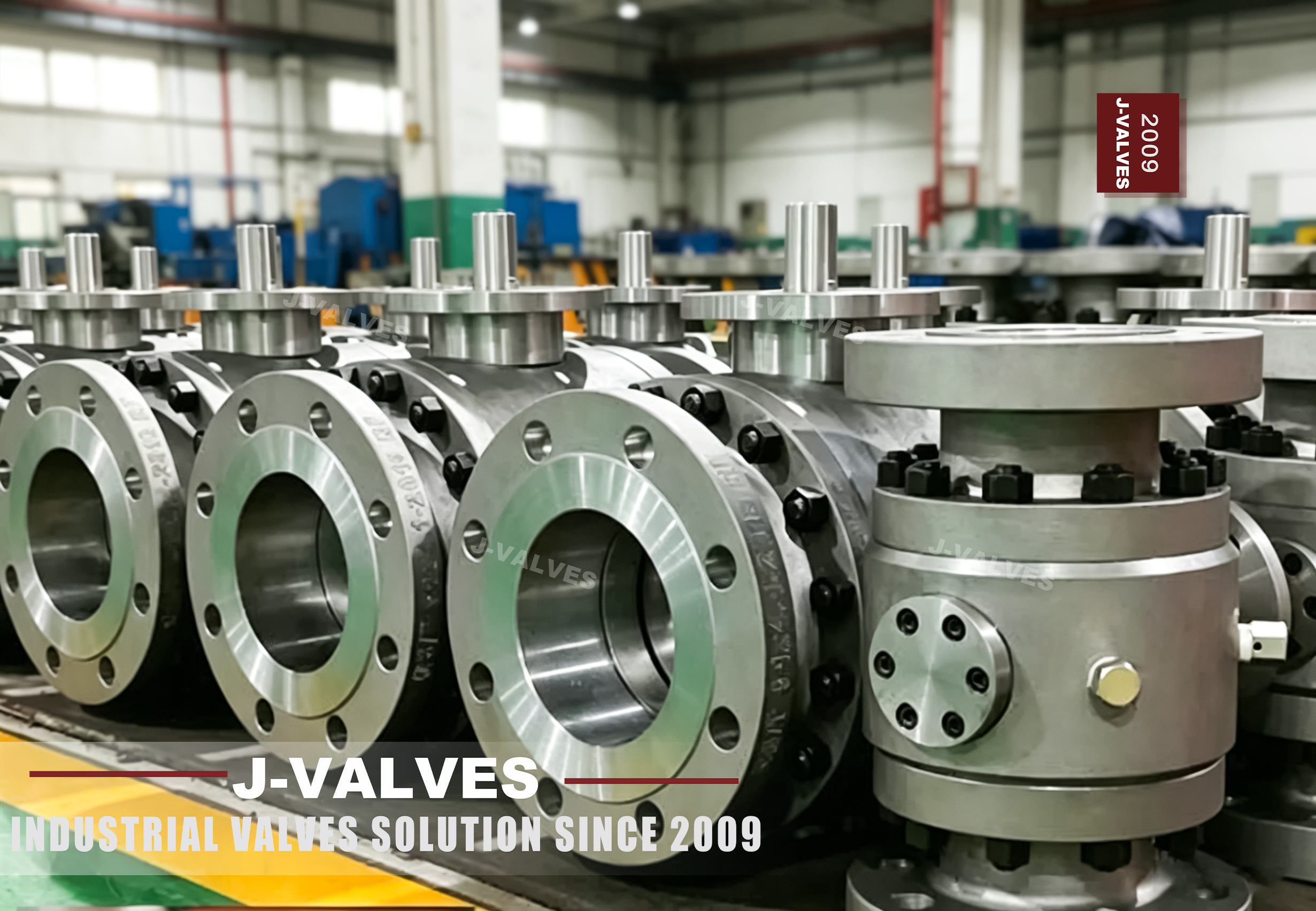
In industrial systems where durability, reliability, and precise control of fluid flow are paramount, the trunnion-mounted ball valve stands out as a preferred choice. Particularly, stainless steel trunnion-mounted ball valves offer exceptional performance in demanding environments, providing superior resistance to corrosion and high mechanical stress. This makes them ideal for industries such as oil and gas, chemical processing, water treatment, and power generation.
What is a Stainless Steel Trunnion-Mounted Ball Valve?
A trunnion-mounted ball valve is a type of valve where the ball is supported at both the top and bottom by fixed trunnions, as opposed to floating ball valves where the ball is only supported on one side. The trunnion provides stability, making the valve ideal for handling high-pressure and high-flow applications.
Stainless steel, particularly 316 and 304 grades, is a popular material used for these valves due to its resistance to corrosion, strength, and versatility in various industrial environments. The stainless steel trunnion-mounted ball valve design is widely recognized for its reliability, low torque requirements, and long service life.
Key Features of Stainless Steel Trunnion-Mounted Ball Valves
High Pressure and Large Size Capabilities
Stainless steel trunnion-mounted ball valves are capable of handling high-pressure systems, making them ideal for industries such as oil and gas, where pipeline systems can operate under extreme pressure. Their ability to maintain sealing integrity under high pressures ensures a reliable seal and precise flow control.
Low Operating Torque
One of the key advantages of the trunnion-mounted design is that it minimizes the torque required to operate the valve. This is because the ball is fixed at both ends, reducing the forces acting on the ball during valve operation. This is especially important in large-size valves, where reduced torque lowers actuator costs and ensures smoother operation.
Durability and Corrosion Resistance
Stainless steel is known for its exceptional corrosion resistance, especially against chlorides, acids, and salts. This makes stainless steel trunnion-mounted ball valves highly suitable for chemical processing plants, marine environments, and seawater applications, where exposure to corrosive substances is frequent.
Precision Flow Control
The trunnion-mounted ball valve design allows for precise flow regulation. Since the ball is fixed and cannot shift freely, it ensures tight shutoff and high flow accuracy, even in large-scale systems. This makes them perfect for applications that demand reliable flow control and minimized leakage.
Longevity and Maintenance Efficiency
The durable stainless steel material coupled with the stable trunnion-mounted design ensures that these valves can endure harsh operational conditions. They are designed to have a long service life, with minimal maintenance requirements. The ease of maintenance is a significant advantage, as it reduces downtime and operational costs.
Advantages of Stainless Steel Trunnion-Mounted Ball Valves
High-Performance Reliability
Stainless steel trunnion-mounted ball valves are designed to handle some of the most demanding fluid control tasks. They are particularly well-suited for heavy-duty applications where both high pressure and high flow are involved. The design’s reliability ensures that these valves perform consistently over time, even under extreme conditions.
Reduced Maintenance Costs
The combination of stainless steel durability and low maintenance requirements reduces the overall cost of ownership. Since stainless steel is resistant to corrosion, these valves experience less wear, resulting in fewer repairs and replacements over time. This makes them an ideal choice for industries where minimizing downtime and maintenance costs is critical.
Versatility in Applications
Stainless steel trunnion-mounted ball valves are highly versatile, functioning effectively in a wide range of industrial applications, from high-pressure gas pipelines to chemical reactors and power plants. The stainless steel material ensures that these valves maintain integrity in various operational environments, from marine systems to harsh chemical processing environments.
Improved System Efficiency
The precision and reliability of stainless steel trunnion-mounted ball valves improve the overall efficiency of the system. The valve's ability to handle high flow rates while maintaining tight sealing helps to prevent unwanted flow disturbances and system inefficiencies, thus optimizing the performance of the entire pipeline or processing system.
Enhanced Safety
Safety is a top priority in industries such as oil and gas, water treatment, and chemical manufacturing. Stainless steel trunnion-mounted ball valves provide secure shutoff capabilities, preventing fluid leakage and ensuring the safety of personnel and equipment. Their ability to withstand extreme pressures and temperatures makes them crucial in high-risk applications.
Applications of Stainless Steel Trunnion-Mounted Ball Valves
Oil and Gas Pipelines
Stainless steel trunnion-mounted ball valves are widely used in the oil and gas industry, particularly in pipelines and facilities where high pressure and harsh conditions are prevalent. They are used for regulating the flow of oil, gas, and other fluids, ensuring safe and efficient operations.
Chemical Processing
In chemical plants, stainless steel trunnion-mounted ball valves are essential for controlling the flow of aggressive chemicals, acids, and solvents. Their corrosion resistance ensures that they maintain their performance even when exposed to harsh substances.
Water Treatment Plants
Stainless steel trunnion-mounted ball valves are commonly used in water treatment plants for controlling water distribution and chemical dosing. Their ability to handle both high pressure and corrosive materials makes them an ideal choice for various stages of water purification, filtration, and distribution.
Power Generation
In power plants, stainless steel trunnion-mounted ball valves are used in systems such as boiler feed, cooling water, and steam lines. The valves’ ability to regulate the flow of steam and water under high pressure is critical for maintaining the plant’s efficiency and safety.
Marine and Offshore Applications
Stainless steel’s corrosion resistance makes these valves a preferred choice for marine applications such as seawater intake systems, ballast water systems, and offshore drilling platforms. The high-pressure capabilities of these valves are essential in these environments where reliability and durability are critical.
Conclusion
Stainless steel trunnion-mounted ball valves are indispensable components in high-pressure, high-flow industrial systems. Their corrosion resistance, reliable performance, and low maintenance characteristics make them a top choice for industries like oil and gas, chemical processing, water treatment, and power generation. By ensuring precise flow control and providing durability in extreme conditions, these valves optimize system efficiency, enhance safety, and reduce operational costs.