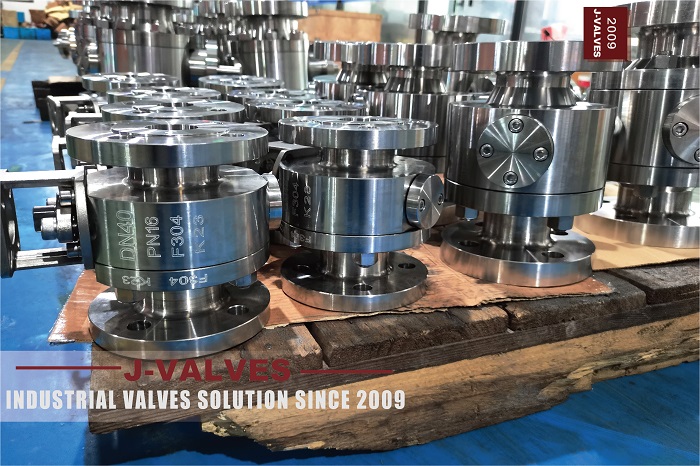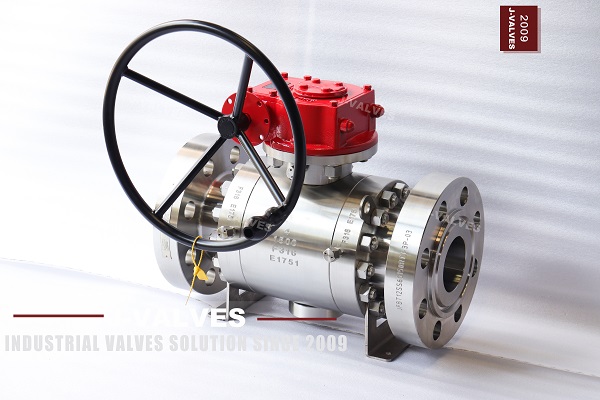


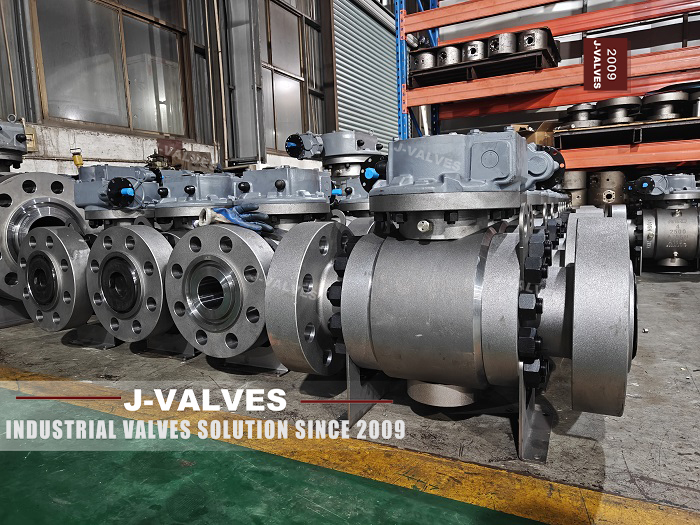
In industrial pipeline systems, flange compatibility plays a critical role in installation efficiency, maintenance planning, and long-term operational reliability. For applications that demand strong sealing performance, high pressure resistance, and stable flow control, the DIN EN 1092 flange trunnion ball valve is a highly practical choice.
This valve type combines the structural advantages of a trunnion-mounted ball design with the standardized connection format of DIN EN 1092 flanges, making it well suited for European projects and international systems that follow DIN / EN requirements.
I. What Is DIN EN 1092?
DIN EN 1092 is one of the most widely recognized flange standards in Europe. It defines key connection dimensions, pressure ratings, bolt hole patterns, and sealing face types for flanges used in pipes, valves, pumps, and pressure equipment.
For engineers, buyers, and project managers, using DIN EN 1092-compliant flanges helps ensure that components from different manufacturers can be connected safely and efficiently within the same pipeline system.
II. Why Trunnion Ball Valves Work Well with European Flange Systems
A trunnion ball valve uses a supported ball structure, where the ball is fixed by the stem and trunnion arrangement. Compared with a floating ball valve, this design reduces friction, improves stability, and performs better in high-pressure and larger-size applications.
When paired with DIN EN 1092 flanges, the valve becomes a strong solution for projects that need:
standardized flange compatibility
reliable sealing under pressure
lower operating torque
stable performance in continuous service
easier installation and maintenance
III. Key Benefits of a DIN EN 1092 Flange Trunnion Ball Valve
1. Strong Compatibility with European Pipework
DIN EN 1092 flanges are widely used across European industrial systems, which makes integration easier and reduces connection errors during installation.
2. Suitable for High Pressure and Large Sizes
The trunnion-mounted structure provides better support for the ball, making it an excellent option for medium-to-high pressure lines and larger diameters.
3. Stable Sealing Performance
Because the ball is supported rather than fully floating, seat wear is better controlled and sealing performance remains consistent over time.
4. Lower Operating Torque
The design typically requires less torque for opening and closing, which supports manual operation as well as actuator selection.
5. Broad Industrial Application
The valve can be used for natural gas, crude oil, refined products, steam, water, chemical media, and many other industrial fluids.
IV. Typical Applications
A DIN EN 1092 flange trunnion ball valve is commonly used in:
oil and gas pipelines
petrochemical processing
power generation systems
water treatment plants
metallurgy and industrial utilities
chemical production facilities
These industries need valves that can handle pressure variation, frequent operation, and strict system reliability requirements.
V. How to Choose the Right Valve
When selecting a DIN EN 1092 flange trunnion ball valve, key factors include:
nominal size (DN)
pressure rating (PN)
flange face type
body material
ball and stem material
seat material
actuator type
media characteristics and working temperature
For European projects, it is important to confirm the exact DIN EN 1092 flange version and pressure class before final procurement.
VI. Why Standard Compatibility Matters to Buyers
In industrial procurement, buyers do not only look at valve performance. They also care about whether the valve can fit into an existing system without modification. That is where the DIN EN 1092 flange trunnion ball valve adds real value.
It helps reduce installation risk, simplifies sourcing, shortens project lead time, and improves confidence in system integration. For exporters and manufacturers, this also supports stronger market positioning in Europe and other regions that follow DIN / EN standards.
VII. Conclusion
The DIN EN 1092 flange trunnion ball valve is more than just a valve product. It is a dependable connection solution for European-standard pipeline systems. With strong compatibility, stable sealing, and excellent performance in demanding conditions, it is a smart choice for industrial projects that require both reliability and standard compliance.
If your project needs a valve that combines European flange compatibility with proven trunnion ball valve performance, this is one of the most effective options to consider.
VIII. FAQ
Q1: What industries use DIN EN 1092 flange ball valves?
They are commonly used in oil and gas, chemical processing, power generation, water treatment, and general industrial systems.
Q2: Why choose a trunnion ball valve instead of a floating ball valve?
A trunnion ball valve performs better in larger sizes and higher pressure applications because the ball is mechanically supported.
Q3: Is DIN EN 1092 flange compatibility important for export projects?
Yes. It helps ensure the valve matches European pipeline standards and simplifies international project delivery.