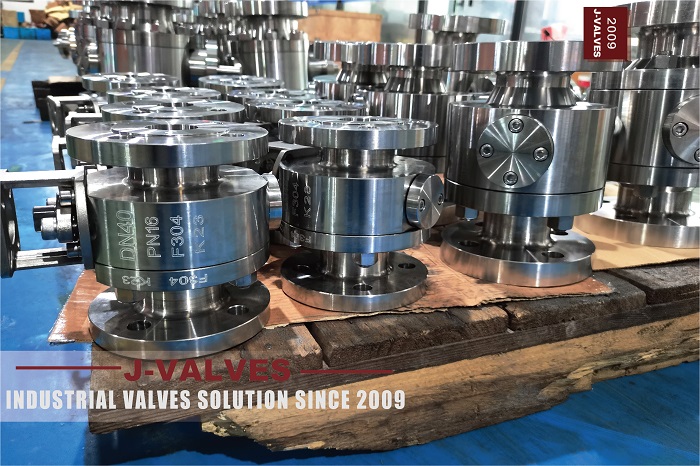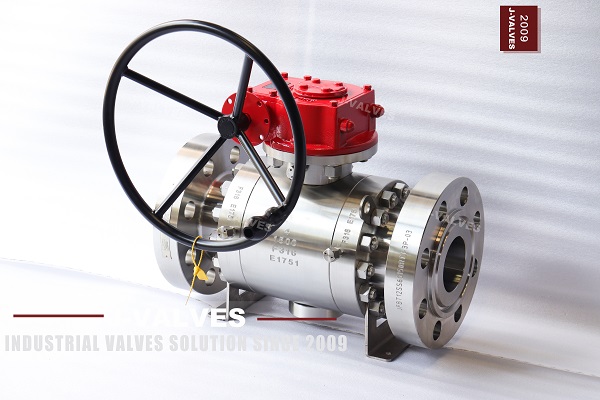


A Trunnion-mounted ball valve is a vital component in industrial fluid control systems. These valves are known for their ability to handle high pressures, provide a tight seal, and regulate the flow of fluids effectively in large systems.
What is a Trunnion-Mounted Ball Valve?
A Trunnion-mounted ball valve is a type of valve that uses a ball with a fixed trunnion support at the top and bottom of the ball to control the flow of fluids. The term “trunnion” refers to the shaft or support that holds the ball in place, which is a key difference from floating ball valves where the ball “floats” freely between the valve seats. Trunnion-mounted ball valves are often used in large-scale applications due to their durability and ability to handle high pressure and temperature conditions.
How Does a Trunnion-Mounted Ball Valve Work?
The working mechanism of a trunnion-mounted ball valve is based on the rotation of a ball with a hole (bore) through its center. This ball is held in place by two trunnions—one at the top and one at the bottom—which prevent the ball from moving during operation.
Here’s a breakdown of how it works:
Ball Rotation: The ball inside the valve has a bore through it. When the valve is open, the hole aligns with the pipeline, allowing fluid to pass through. The ball rotates when the actuator or manual operator is used to control the valve.
Sealing Mechanism: The ball is supported by trunnions, which means it doesn’t float and provides a better seal than a floating ball valve, especially under high pressure. This support ensures that there’s minimal wear and tear on the sealing surfaces, even under high flow rates or turbulent conditions.
Open/Closed Operation: In the open position, the bore of the ball aligns with the pipe, allowing for full flow. When the valve is closed, the ball rotates 90 degrees, and the bore is no longer aligned with the pipe, stopping the fluid from flowing.
Control: Trunnion-mounted ball valves are commonly operated using either manual handles, pneumatic actuators, electric actuators, or hydraulic systems, depending on the application’s needs. The actuators provide the rotational force necessary to turn the valve’s ball, allowing precise control over fluid flow.
Key Features of Trunnion-Mounted Ball Valves
Enhanced Sealing: Trunnion-mounted ball valves offer superior sealing capabilities compared to other valve types. The trunnion design ensures that the ball remains stable, which minimizes seal wear, reduces the risk of leakage, and maintains the integrity of the seal over time.
High Pressure & Temperature Resistance: These valves are designed to operate under high pressures and extreme temperatures. Their robust construction, supported by the trunnion system, makes them ideal for heavy-duty applications in industries such as oil and gas, chemical processing, and power plants.
Reduced Torque: Because the trunnion holds the ball in place, less torque is required to operate the valve. This is beneficial for larger valves where high torque can be a challenge. Reduced operating torque helps extend the service life of the actuator and valve components.
Large Size Capabilities: Trunnion-mounted ball valves are suitable for large bore applications due to their ability to handle high flow rates without compromising performance. They are available in a wide range of sizes, making them versatile for various industrial applications.
Durability: The trunnion support system protects the valve from internal wear, ensuring that the valve remains durable and reliable even after extensive use in harsh environments.
Advantages of Trunnion-Mounted Ball Valves
Improved Performance in High-Pressure Systems: Trunnion-mounted ball valvesprovide stable and reliable performance in high-pressure systems, ensuring a tight shut-off and preventing leaks under extreme conditions. The design allows for high-pressure applications, making it suitable for industries that require precise flow control in challenging environments.
Longer Service Life: Since the trunnion holds the ball firmly in place, the valve experiences less internal movement, which reduces the amount of wear on sealing surfaces. This improves the valve's service life, reducing maintenance costs and downtime.
Lower Maintenance Requirements: Trunnion-mounted ball valves have fewer moving parts compared to other types of valves, making them easier to maintain and service. Their simplicity, combined with their high durability, leads to reduced maintenance costs over the long term.
Reduced Operating Costs: The reduced torque required to operate these valves means that actuators can be smaller and more efficient, which can help lower the overall operational costs of the valve.
Excellent for On/Off and Flow Regulation Applications: These valves are highly reliable for both on/off operations and more precise flow regulation, making them versatile in a wide range of applications.
Applications of Trunnion-Mounted Ball Valves
Trunnion-mounted ball valvesare used in industries that require precise flow control and the ability to withstand harsh conditions. Common applications include:
Oil and Gas Industry: These valves are used for flow control in upstream, midstream, and downstream operations, such as pipeline transportation, refining processes, and production systems. They are ideal for both onshore and offshore oil rigs due to their high-pressure capabilities and durability in extreme conditions.
Chemical and Petrochemical Processing: Trunnion-mounted ball valves are commonly used in chemical plants and refineries where corrosive, high-pressure fluids must be controlled. Their robust design ensures safety and efficiency when dealing with volatile chemicals.
Power Generation: In power plants, especially those that deal with steam, high-pressure gas, or water, trunnion-mounted ball valves offer reliable performance and control over the flow of fluids, ensuring smooth operations in boilers, cooling systems, and other high-temperature areas.
Water and Wastewater Treatment: These valves are widely used in water treatment plants, both for controlling the flow of water and for managing the flow in critical areas of wastewater treatment systems.
Mining: Trunnion-mounted ball valves are used in mining operations, particularly in slurry transportation systems. Their durability and reliability are crucial in handling abrasive and aggressive materials.
Conclusion
Trunnion-mounted ball valves are a critical component in industrial fluid control systems, offering robust performance under high-pressure, high-temperature conditions. Their ability to maintain a tight seal, reduce operating torque, and withstand extreme environments makes them ideal for industries such as oil and gas, chemical processing, power generation, and water treatment. By understanding how these valves work and their key features, industries can make informed decisions about valve selection to ensure the efficiency, safety, and longevity of their systems.