


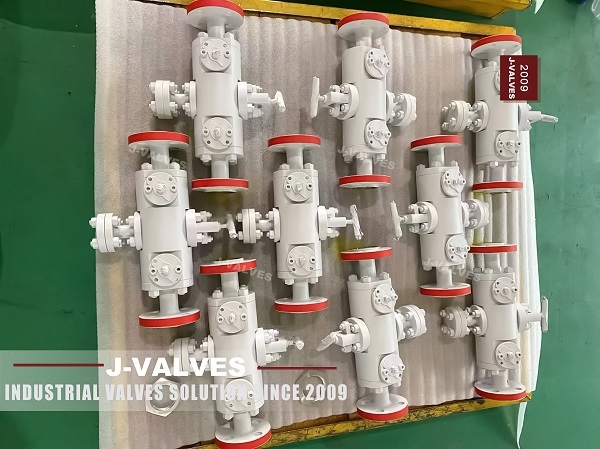
Reliable Isolation Solution for LNG and Low Temperature Applications
With the increasing demand for LNG and cryogenic energy systems, valves must provide reliable sealing performance under extremely low temperatures. The Cryogenic DBB Ball Valve is specially designed for these applications, combining double block and bleed functionality with advanced cryogenic design features to ensure safe operation.
J-VALVES provides high-performance cryogenic DBB ball valves for LNG terminals, storage systems, and industrial low-temperature applications.
Low Temperature Material Selection
Cryogenic service requires valve materials with excellent toughness and dimensional stability at extremely low temperatures. Improper material selection may lead to brittleness, deformation, or sealing failure.
Typical material requirements include:
High impact toughness at low temperatures
Good resistance to thermal contraction
Stable mechanical performance
J-VALVES selects suitable materials such as low-temperature carbon steel and stainless steel according to operating conditions, ensuring reliable performance in cryogenic environments.
Extended Bonnet Design for Cryogenic Performance
The Extended Bonnet Design is a key feature of cryogenic DBB ball valves.
It increases the distance between the cold fluid area and the stem packing system, helping to:
Reduce heat transfer
Prevent packing damage caused by low temperatures
Maintain stable sealing performance
Improve valve service life
This design is widely used in LNG storage tanks, transfer pipelines, and cryogenic processing systems.
Anti-Cold Bridge Structure
Cold bridge prevention is important for reducing heat loss and maintaining valve reliability.
J-VALVES cryogenic DBB ball valves adopt optimized structures, including:
Extended stem design
Reduced direct heat transfer paths
Improved insulation compatibility
These features help minimize frost formation and improve operational safety.
Cryogenic Testing Requirements
Before delivery, cryogenic DBB ball valves require strict inspection and testing, including:
Low-temperature performance testing
Pressure testing
Seat leakage testing
Operation torque testing
These tests verify sealing reliability and ensure stable operation under LNG service conditions.
LNG Application Advantages
Cryogenic DBB ball valves are widely used in:
LNG terminals
LNG storage systems
Gas liquefaction plants
Cryogenic transportation systems
The double block and bleed structure provides reliable isolation, pressure monitoring, and safer maintenance operations.
J-VALVES Advantages in Cryogenic DBB Ball Valves
J-VALVES focuses on the design and manufacturing of industrial valve solutions with advantages including:
Professional cryogenic valve engineering experience
Optimized material and sealing selection
Strict quality inspection procedures
Customized solutions for LNG and energy projects
Valves can be manufactured according to international standards such as API 6D, ASME B16.34, and ISO 17292.
Conclusion
The Cryogenic DBB Ball Valve is an essential solution for LNG and low-temperature applications requiring safe isolation and long-term reliability. Through advanced material selection, extended bonnet design, anti-cold bridge technology, and strict testing procedures, J-VALVES delivers reliable cryogenic valve solutions for global energy projects.


