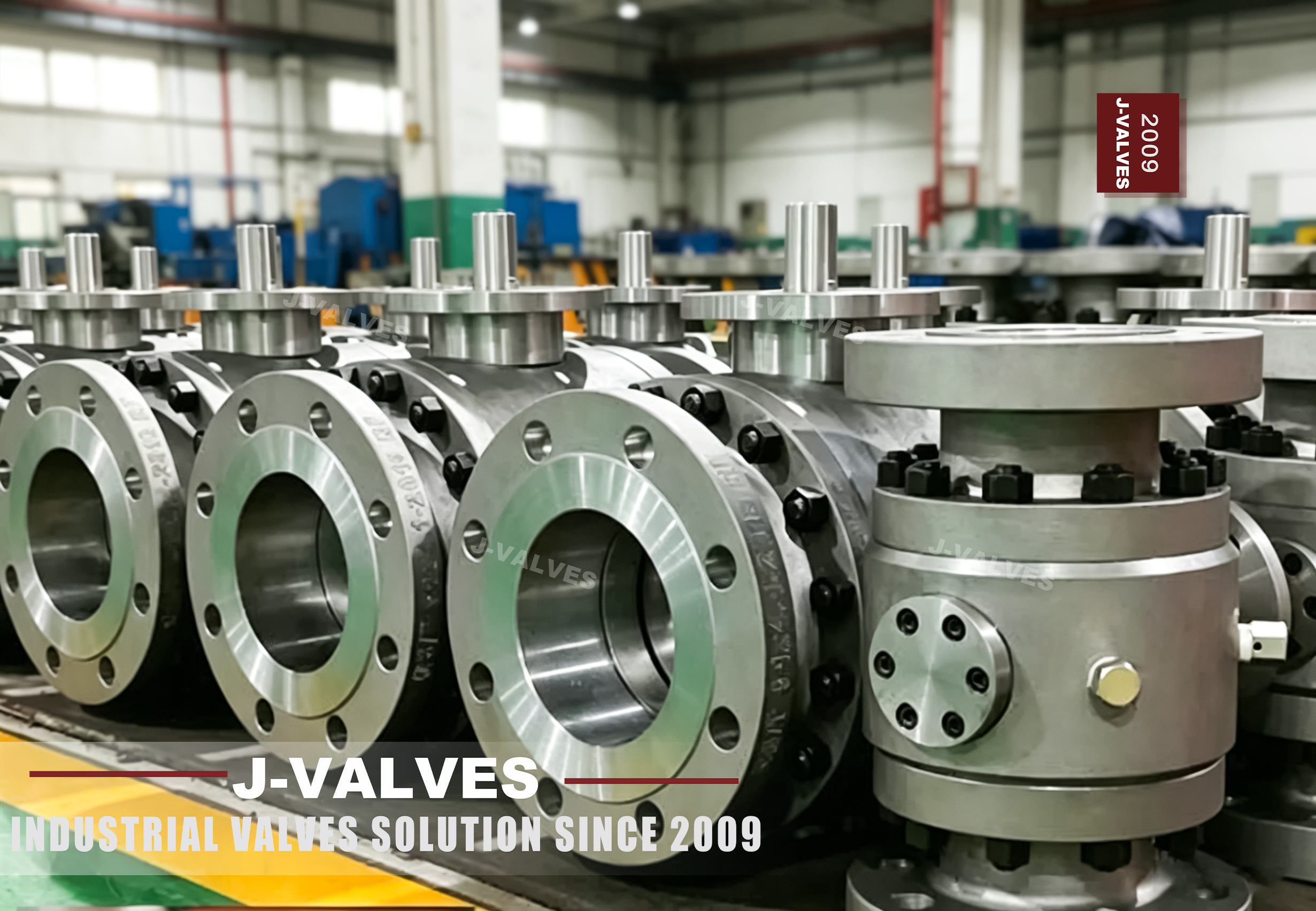
In the demanding environment of the marine industry, where reliability and performance are non-negotiable, the choice of valves for shipboard piping systems plays a crucial role. Among the various types of valves used, trunnion mounted ball valves stand out for their robust design and superior functionality. These valves are specifically engineered to meet the unique challenges of maritime applications, ensuring safe and efficient fluid control across ship systems.
What Are Trunnion Mounted Ball Valves?
Trunnion mounted ball valves are a type of ball valve designed with a support mechanism known as a "trunnion." Unlike traditional floating ball valves, which rely on the pressure of the fluid to seal the valve, a trunnion mounted ball valve features a ball that is fixed in place by trunnions at both the top and bottom. This design allows the valve to handle higher pressures and provides more precise control over fluid flow.
Key Features and Benefits of Trunnion Mounted Ball Valves for Shipboard Piping
Enhanced Stability and Durability
The trunnion support mechanism prevents the ball from floating, providing greater mechanical stability and reducing the risk of deformation over time. This is particularly advantageous in the marine environment, where equipment is subjected to harsh conditions such as vibrations, corrosive seawater, and extreme pressures.High Pressure and Flow Capacity
Trunnion mounted ball valves are capable of withstanding higher pressure ratings compared to traditional ball valves. This makes them ideal for shipboard piping systems that require the control of high-pressure fluids, such as fuel, water, and steam. They are also capable of supporting larger flow rates, ensuring that critical systems on board function efficiently.Sealing Performance
The trunnion design ensures better sealing performance by reducing the load on the ball during operation. This leads to a lower risk of leakage, enhancing the safety and reliability of shipboard piping systems. The sealing also remains consistent over time, reducing the need for frequent maintenance or replacements.Corrosion Resistance
Marine environments are known for their corrosive conditions, particularly from seawater and humidity. Trunnion mounted ball valves used in the marine industry are typically made from corrosion-resistant materials such as stainless steel and bronze. These materials ensure that the valves can withstand exposure to saltwater, preventing corrosion and increasing the lifespan of the valve.Low Maintenance Requirements
Due to their robust design and high durability, trunnion mounted ball valves require less maintenance compared to other valve types. This is a significant advantage in the marine industry, where minimizing downtime and reducing maintenance costs are essential for operational efficiency.
Applications in Shipboard Piping Systems
Trunnion mounted ball valves are used in various shipboard systems, from fuel handling to water treatment. Some common applications include:
Fuel Systems: Trunnion mounted ball valves are used to regulate the flow of fuel between tanks and engines. Their ability to handle high pressures ensures that the valve performs reliably, even in the high-demand fuel systems of large ships.
Water Treatment Systems: These valves play a crucial role in controlling water flow in desalination plants, ballast water treatment systems, and other essential water management operations on board ships.
HVAC Systems: In the ship's HVAC (Heating, Ventilation, and Air Conditioning) system, trunnion mounted ball valves control the flow of refrigerants and ensure efficient air conditioning performance.
Fire Suppression Systems: In fire protection systems, these valves are critical for controlling the flow of water or foam to fire hydrants and sprinklers throughout the ship. Their reliable sealing ensures the system can be activated without delay in emergencies.
Why Choose Trunnion Mounted Ball Valves for Marine Applications?
When it comes to shipboard piping, there are several advantages to choosing trunnion mounted ball valves:
Reliability in Critical Operations: Ships rely on numerous systems to ensure safe operation, and trunnion mounted ball valves offer the reliability needed for vital systems.
Improved Safety: The enhanced sealing and high-pressure capabilities of trunnion mounted ball valves reduce the risk of leaks, which is particularly important in marine environments where leakage could pose significant environmental and safety hazards.
Longer Service Life: With their robust design, resistance to corrosion, and low-maintenance needs, trunnion mounted ball valves offer a long service life, making them a cost-effective choice in the long run.
Ease of Operation: These valves are designed for ease of use, requiring minimal force to operate and providing smooth control over fluid flow, which is essential for precise operations on board a ship.
Conclusion
In the demanding conditions of the marine industry, trunnion mounted ball valves offer superior performance for shipboard piping systems. Their durable, corrosion-resistant design, combined with high-pressure and flow capabilities, makes them an ideal choice for critical ship systems. By ensuring reliable performance, reducing maintenance requirements, and enhancing safety, these valves are indispensable for ensuring the smooth operation of maritime vessels.