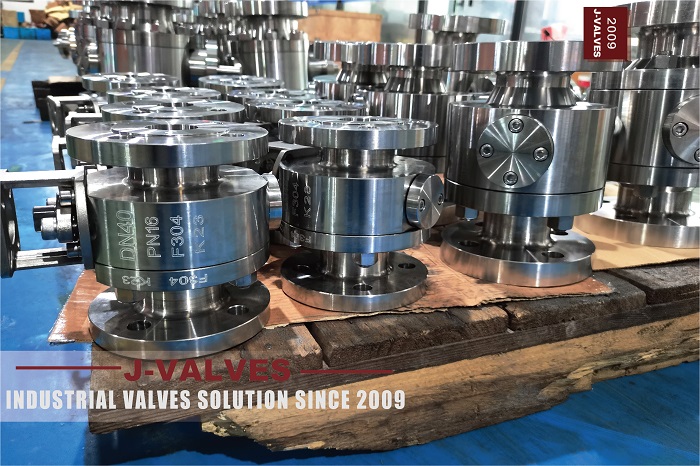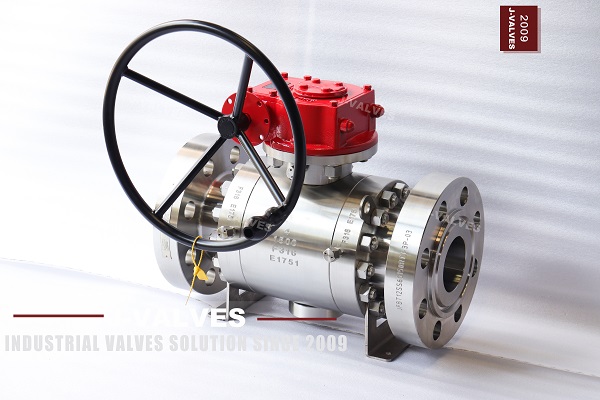


In industrial applications where extreme conditions such as high temperatures, high pressures, abrasive or corrosive fluids, and demanding environments are common, metal-seated trunnion ball valves are often the best solution. Unlike soft-seated valves, which rely on elastomers or plastics to form a seal, metal-seated valves use hard metals, offering superior durability and performance in the most challenging service conditions.
1. What Are Metal-Seated Trunnion Ball Valves?
Trunnion ball valves are a type of ball valve where the ball is supported by trunnions (bearings) at both the top and bottom, providing enhanced stability, especially in high-pressure systems. The metal-seated variant uses a metallic sealing surface rather than soft materials like PTFE (polytetrafluoroethylene), making it ideal for applications where standard soft-seated valves would wear out quickly or fail.
These valves can handle a wide range of operating pressures and temperatures and are typically used in industries like oil and gas, power generation, petrochemical, mining, and chemical processing, where conditions often involve high temperatures, aggressive media, or abrasive particles.
2. Key Advantages of Metal-Seated Trunnion Ball Valves in Severe Service
1. Enhanced Durability and Longevity
One of the main reasons to choose metal-seated trunnion ball valves for severe service is their exceptional durability. The metallic sealing surface is resistant to wear, erosion, and abrasion, making it ideal for applications where other materials might degrade. In environments where fluid flow may contain particulates or abrasive materials, metal-seated valves are highly effective in maintaining performance over an extended service life.
Unlike soft-seated valves, which can wear down quickly due to constant contact with the sealing surface, metal-seated valves retain their sealing ability for much longer, resulting in lower maintenance costs and less frequent replacements.
2. Resistance to High Temperatures
Metal-seated valves are especially suitable for high-temperature applications. While soft-seated valves made with elastomers and plastics can lose their sealing ability at temperatures above 200-300°C (392-572°F), metal-seated valves are capable of withstanding temperatures up to 1000°C (1832°F) or higher, depending on the materials used for the sealing surfaces.
This makes them the preferred choice in industries where high-temperature media is prevalent, such as in steam systems, power plants, and refining processes.
3. Corrosion and Erosion Resistance
In harsh environments where fluids may be chemically aggressive or contain corrosive substances, metal-seated trunnion ball valves offer excellent resistance to corrosion and erosion. The materials commonly used for the metallic seats—such as stainless steel, alloy steel, or hardened steel—are far more resistant to chemical attack than their soft-seated counterparts, which can degrade when exposed to acids, alkalis, or salts.
In applications where valves are exposed to hydrocarbons, chlorides, or acidic fluids, metal-seated valves provide a robust solution that ensures reliable performance and tight sealing without failure from corrosive wear.
4. High-Pressure Performance
Metal-seated valves are also well-suited for high-pressure applications. The robust construction of the valve and the ability to withstand extreme forces without losing sealing integrity makes them ideal for use in pipelines and systems operating at elevated pressures, such as in the oil and gas industry. The trunnion ball design further enhances the valve's ability to handle high-pressure environments by reducing the load on the sealing surfaces and ensuring more uniform distribution of forces.
5. Abrasive Fluid Handling
In industries like mining and cement manufacturing, where abrasive particles are commonly found in the fluid flow, metal-seated trunnion ball valves excel. The hardness and resistance of the metal seats prevent wear and damage caused by abrasive materials, ensuring the valve can perform consistently without premature failure. In contrast, soft-seated valves would quickly degrade in these conditions, leading to costly repairs and downtime.
3. Applications for Metal-Seated Trunnion Ball Valves
Given their numerous benefits, metal-seated trunnion ball valvesare used in a wide range of industries with severe service conditions. Some common applications include:
Oil and Gas: Transporting highly pressurized fluids, crude oil, natural gas, or produced water through pipelines where high temperatures and erosive conditions exist.
Power Generation: In steam lines, hot water lines, and high-pressure feedwater systems where the valves must handle high temperatures and pressures.
Chemical and Petrochemical: Handling aggressive chemicals, including acids, bases, and solvents, where chemical resistance is paramount.
Mining: Controlling the flow of slurries and abrasive materials, such as in mineral processing plants.
Refining: Managing the flow of hot, corrosive hydrocarbons and chemicals in refineries.
4. Considerations When Choosing Metal-Seated Trunnion Ball Valves
1. Material Selection
The choice of material for the metal-seated valve is critical. The material of the valve seats should be selected based on the specific requirements of the application, such as temperature, pressure, corrosion resistance, and fluid characteristics. Common materials include:
Stainless Steel: Suitable for moderate temperatures and mildly corrosive fluids.
Alloy Steel: Offers enhanced resistance to higher temperatures and more aggressive fluids.
Hardened Steel: Used in applications involving heavy abrasion or high-velocity flows.
Tungsten Carbide and Ceramic: For extremely abrasive conditions or where a high degree of wear resistance is required.
2. Valve Sizing and Pressure Rating
Proper sizing is crucial for ensuring the valve can handle the expected flow rates and pressures. It's important to choose a valve with the appropriate pressure rating and flow capacity to avoid overstressing the valve, leading to premature wear or failure. Trunnion ball valves typically come in larger sizes and are designed to handle higher pressures compared to floating ball valves.
3. Maintenance and Service Life
Although metal-seated valves are highly durable, periodic inspection and maintenance are still required to ensure their continued performance. In severe service applications, it’s crucial to implement a maintenance schedule to check for wear on the metallic sealing surfaces, potential corrosion, and other signs of degradation.
4. Cost Considerations
While metal-seated trunnion ball valves often come at a higher initial cost than soft-seated valves, their extended service life and lower maintenance requirements result in a more cost-effective solution over time, particularly in severe service environments.
5. Conclusion
Metal-seated trunnion ball valves offer unparalleled durability and performance in severe service applications. Their ability to withstand high temperatures, high pressures, abrasive conditions, and corrosive fluids makes them the ideal choice for industries that demand reliability and longevity from their valve components. While they may come at a higher initial cost, their extended service life and low maintenance requirements make them a smart investment for operations in extreme conditions.
By carefully selecting the right valve materials and ensuring proper sizing and maintenance, metal-seated trunnion ball valves can provide optimal performance, reliability, and efficiency in the most demanding industrial applications.