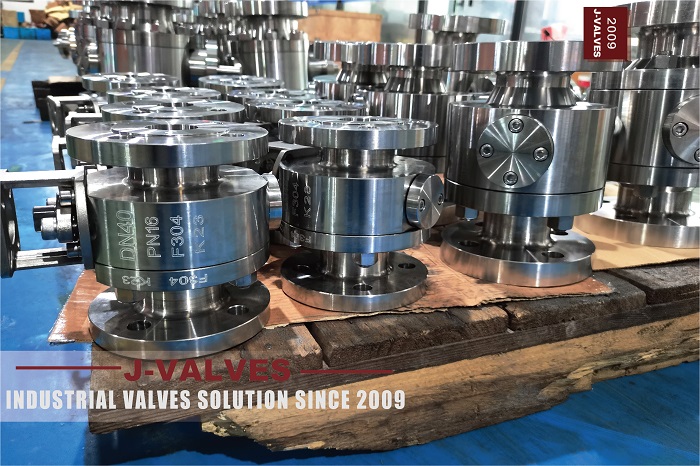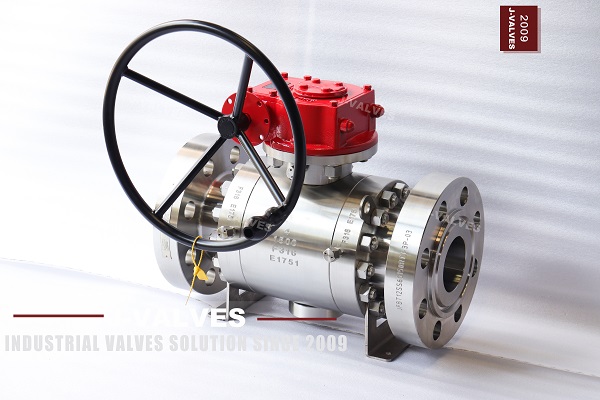


Trunnion-mounted ball valves are essential components in many industrial applications, particularly for controlling the flow of fluids in high-pressure systems. These valves can be equipped with various actuators to automate their operation, with electric and pneumatic actuators being the most commonly used. Both actuator types have their advantages, but selecting the right one for your application depends on a variety of factors, including the operational environment, the specific needs of your process, and performance requirements.
1. Overview of Trunnion-Mounted Ball Valves
Trunnion-mounted ball valves are designed for high-pressure, high-temperature applications, and they are especially useful in large pipelines where tight shutoff and durability are critical. These valves have a ball that is supported by trunnions (or bearings) at both the top and bottom, which provides extra stability during operation. They are commonly used in industries such as oil and gas, power generation, chemical processing, and water treatment.
Actuators are used to automate the opening and closing of these valves. Electric and pneumatic actuators are the most popular choices for trunnion-mounted ball valves, each offering unique benefits depending on the application.
2. Electric Actuated Trunnion-Mounted Ball Valves
Electric actuators use electric motors to control the position of the valve. These actuators are typically powered by AC or DC electrical sources and are highly reliable in a wide range of operating conditions. They are often used in applications where precise control and easy integration with remote control systems are required.
How Electric Actuators Work
Electric actuators function by converting electrical energy into mechanical motion. The electric motor drives a gear train that operates the valve stem, opening or closing the valve. These actuators can be equipped with controllers and feedback systems, providing real-time monitoring and control of the valve position.
Advantages of Electric Actuators
Precise Control: Electric actuators provide precise valve position control, making them suitable for processes that require accurate flow regulation.
Ease of Integration: Electric actuators can easily be integrated with control systems, including SCADA (Supervisory Control and Data Acquisition), PLC (Programmable Logic Controllers), and DCS (Distributed Control Systems), allowing for remote operation and monitoring.
Energy Efficiency: Electric actuators consume power only when the valve is being adjusted. Once the valve reaches the desired position, the actuator uses minimal energy to maintain that position.
Low Maintenance: These actuators typically require less maintenance than pneumatic actuators because they have fewer moving parts that wear down over time.
Clean Operation: Electric actuators are clean and do not require compressed air, making them ideal for applications where contamination from air exhaust is a concern.
Limitations of Electric Actuators
Slower Response Time: Electric actuators may have slower response times compared to pneumatic actuators, especially when rapid valve actuation is required.
Limited in Extreme Environments: While electric actuators perform well in many conditions, they can struggle in extreme temperatures (both hot and cold) and hazardous environments where the electrical components may fail.
Higher Initial Cost: Electric actuators tend to have a higher initial purchase cost due to the complexity of the motor and control systems.
3. Pneumatic Actuated Trunnion-Mounted Ball Valves
Pneumatic actuators use compressed air to move the valve stem and operate the trunnion-mounted ball valve. These actuators are widely used in industrial applications due to their quick response time, reliability, and suitability for high-cycle operations.
How Pneumatic Actuators Work
Pneumatic actuators rely on compressed air to move a piston inside the actuator. The air pressure moves the piston, which in turn rotates the valve stem, opening or closing the ball valve. Pneumatic actuators can be single-acting (using air pressure to move the actuator in one direction, with a spring return to the original position) or double-acting (using air pressure to both open and close the valve).
Advantages of Pneumatic Actuators
Fast Actuation: Pneumatic actuators provide rapid response times, making them ideal for applications that require quick valve operation.
Reliability: Pneumatic actuators are highly reliable in a variety of conditions, including extreme temperatures and environments with high vibration or shock.
Safety: Pneumatic actuators are often considered safer than electric actuators because they are not susceptible to electrical failures or sparks, making them suitable for explosive or hazardous environments.
Lower Initial Cost: Pneumatic actuators generally have a lower upfront cost than electric actuators, making them a more economical choice for many applications.
Power Independence: Pneumatic actuators do not rely on an external power supply (other than compressed air), making them ideal for remote locations where electricity may not be available.
Limitations of Pneumatic Actuators
Compressed Air Requirement: Pneumatic actuators need a reliable source of compressed air, which can increase operational costs and complexity, particularly if the air supply is inconsistent or costly.
Higher Energy Consumption: Unlike electric actuators, pneumatic actuators often require a continuous supply of compressed air, which can lead to higher energy consumption and operational costs in the long run.
Less Precise Control: Pneumatic actuators may offer less precise control compared to electric actuators, especially in situations that require fine adjustments or tight control of the valve position.
Maintenance: Pneumatic actuators may require more frequent maintenance to address issues such as air leaks, wear on the seals, and lubrication of moving parts.
4. Operation Comparison: Electric vs Pneumatic
Speed and Response Time
Electric Actuators: Slower in operation due to the motor-driven mechanism, which makes them less suitable for applications requiring rapid opening or closing of the valve.
Pneumatic Actuators: Fast and efficient, providing quick valve actuation, making them ideal for high-cycle or emergency shutdown situations.
Control and Precision
Electric Actuators: Offer high precision and accurate position control, making them ideal for applications requiring fine adjustments.
Pneumatic Actuators: While reliable, pneumatic actuators offer less precise control, making them better suited for on/off operations rather than modulating control.
Energy Efficiency
Electric Actuators: More energy-efficient as they only consume power when the valve is moving and require minimal power to maintain position once the valve is in place.
Pneumatic Actuators: Require continuous compressed air, which can lead to higher operational costs and less energy efficiency compared to electric actuators.
Maintenance and Durability
Electric Actuators: Generally require less maintenance, though they may be susceptible to failures in extreme temperatures or hazardous environments.
Pneumatic Actuators: Require more frequent maintenance due to air system leaks, lubrication, and potential wear on components.
5. Conclusion
When deciding between electric and pneumatic actuated trunnion-mounted ball valves, the choice largely depends on the specific needs of your application:
If you require fast response times, low operational costs, and high reliability in hazardous environments, pneumatic actuators are an excellent choice.
If you need precise control, low maintenance, and ease of integration with advanced control systems, electric actuators may be more suitable.
Both actuator types have their place in industrial applications, and understanding the operational requirements of your system will guide you toward the right selection. For processes that require fast action and minimal downtime, pneumatic actuators are often the preferred choice, while electric actuators excel in applications that demand precise, reliable performance over the long term.