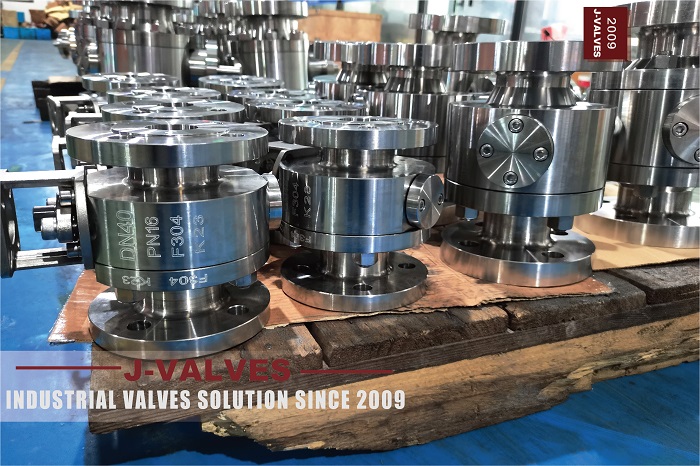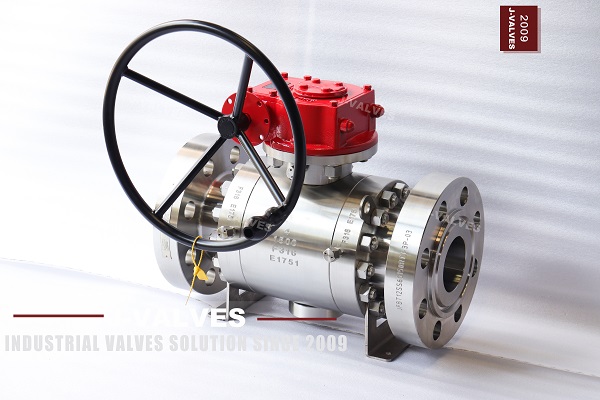


When selecting the appropriate valve for fluid control in industrial systems, one of the most important considerations is the type of ball valve to use. For trunnion ball valves, a critical decision revolves around the choice between metal-seated and soft-seated designs. Both have distinct characteristics, making them suitable for different applications based on factors like temperature, pressure, fluid type, and sealing requirements.
What Are Trunnion Ball Valves?
A trunnion ball valve is a type of ball valve where the ball is supported by trunnions (top and bottom shafts). This design allows the valve to handle higher pressures and larger flow rates than floating ball valves. The trunnion mounting ensures that the ball stays in place during operation, providing better control, especially in large pipelines.
The metal-seated and soft-seated variants of trunnion ball valves differ primarily in the materials used for the seat and seal, impacting their sealing ability, performance under extreme conditions, and longevity.
What Are Metal-Seated Trunnion Ball Valves?
Metal-seated trunnion ball valves use metal components (often stainless steel or alloy steel) for the seating surface. These valves are designed for applications where high temperatures, high pressures, and abrasive or corrosive media are present.
Advantages of Metal-Seated Trunnion Ball Valves:
High-Temperature Performance
Metal-seated valves excel in high-temperature environments, typically ranging from -196°C to 600°C (or even higher in some cases). This makes them ideal for steam systems, power plants, and high-temperature industrial applications.
Durability and Long Service Life
Metal seats are highly durable and can withstand extreme wear and abrasion. These valves are perfect for systems that transport abrasive fluids or slurries, where soft materials would quickly degrade.
Better for Harsh Environments
These valves can handle aggressive fluids, such as acids, solvents, and gases, which would typically damage soft seats. Metal-seated valves are preferred in oil and gas, chemical processing, and mining industries, where harsh conditions are common.
Leakage Resistance
Metal-seated valves generally provide better sealing under high pressures and temperatures. The metal seat can form a tight seal even when subjected to high differential pressures, making them highly reliable in critical applications.
Disadvantages of Metal-Seated Trunnion Ball Valves:
Higher Torque Requirements
Due to the hardness of the metal seat, metal-seated valves typically require more torque to operate compared to soft-seated valves. This can result in the need for larger actuators and increased operational costs.
Potential for Damage
The hard surface of the metal seat can cause damage to the ball over time, especially if foreign particles are present in the fluid, potentially leading to increased wear on the valve components.
Less Effective in Low-Pressure Systems
Metal-seated valves are designed for high-pressure systems. In low-pressure applications, they may not be as effective as soft-seated valves in providing a reliable seal.
What Are Soft-Seated Trunnion Ball Valves?
Soft-seated trunnion ball valves use a soft material (typically PTFE or PFA) for the seat. These valves provide a tight, leak-free seal due to the compressibility of the soft material, which conforms to the ball’s surface.
Advantages of Soft-Seated Trunnion Ball Valves:
Excellent Sealability
Soft-seated valves provide superior sealing performance, especially in low-pressure systems. The soft material forms a tight, leak-proof seal with minimal torque, making them ideal for clean fluids that don’t contain abrasive particles.
Lower Torque Requirements
The compressibility of the soft seat material allows for easier valve operation, requiring less torque to open and close the valve. This results in reduced wear on the actuator and lower operational energy costs.
Good for Low-Pressure Applications
Soft-seated valves are ideal for low to medium pressure systems, such as in water treatment plants, HVAC systems, and certain chemical processing applications, where high pressure or high temperatures are not a concern.
Good Chemical Compatibility
Soft-seated valves can be made with materials like PTFE, which offers excellent chemical resistance, making them suitable for use in food processing, pharmaceuticals, and chemical industries.
Disadvantages of Soft-Seated Trunnion Ball Valves:
Limited High-Temperature Performance
Soft seats are typically not suitable for extreme temperatures. They can degrade at temperatures above approximately 200°C, which limits their use in high-temperature environments.
Vulnerability to Abrasive Fluids
Soft seats are prone to wear and tear when exposed to abrasive or particulate-laden fluids. They are not ideal for slurries, dirty liquids, or gases that contain solid particles, as these could damage the soft material and compromise the valve’s sealing ability.
Reduced Lifespan in Harsh Environments
Soft seats are generally less durable than metal seats, especially in environments with fluctuating pressures, high temperatures, or aggressive chemicals. This can lead to shorter service lives, particularly in industrial applications that involve rough operating conditions.
Which Is Better for Your Project?
When deciding between metal-seated vs. soft-seated trunnion ball valves, the decision largely depends on the specific needs of your application:
For high-pressure and high-temperature systems that deal with abrasive or corrosive fluids, metal-seated valves are the clear choice. They are ideal for industries like oil and gas, chemical processing, and power generation, where durability and performance under harsh conditions are critical.
For low-pressure, clean fluid systems that do not encounter extreme temperatures or abrasives, soft-seated trunnion ball valves are a more cost-effective and reliable solution. They are well-suited for applications in water treatment, pharmaceuticals, food processing, and other industries that require excellent sealing at lower pressures.
Ultimately, your decision should be based on factors such as pressure, temperature, media characteristics, and operational costs. Understanding the strengths and limitations of each valve type ensures that you select the best option for your project’s specific needs.
Conclusion
Metal-seated and soft-seated trunnion ball valves each offer unique advantages depending on the application. For extreme conditions, metal-seated valves provide unmatched durability, high-temperature performance, and long service life, making them ideal for demanding industrial applications. On the other hand, soft-seated valves provide excellent sealing, reduced torque, and are ideal for clean fluid systems with lower pressure and temperature requirements.