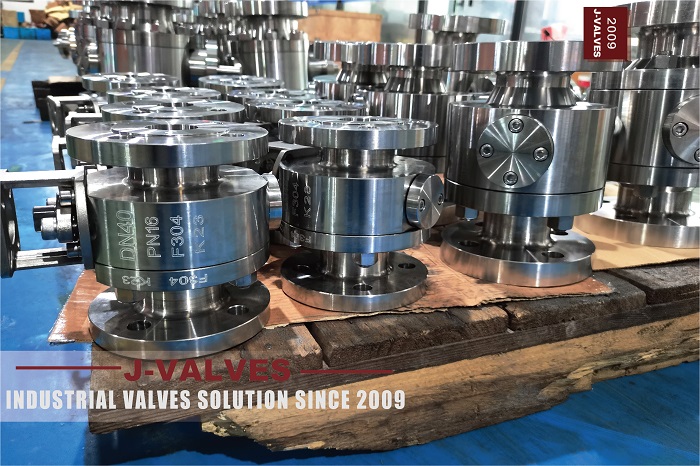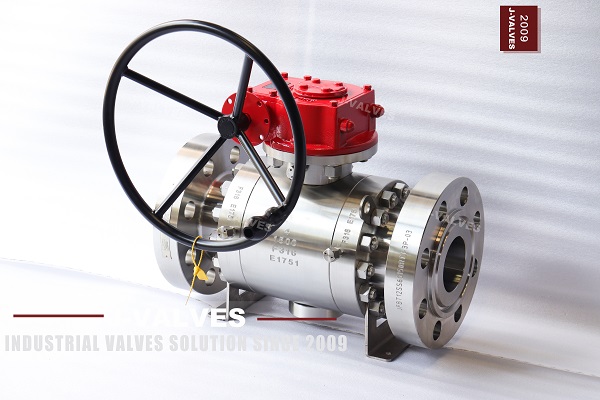


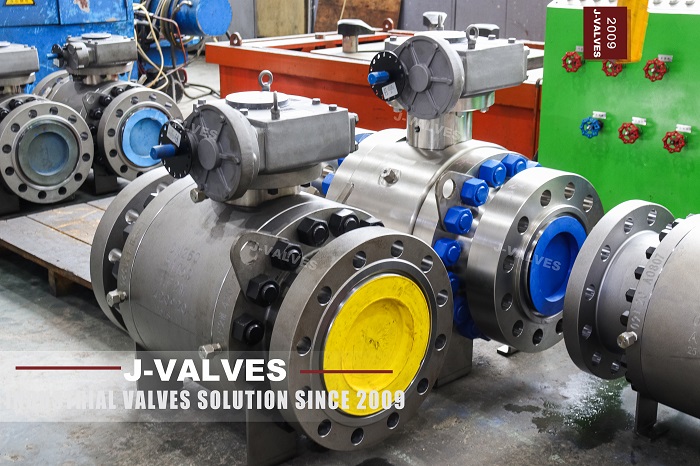
In oil and gas, petrochemical, and low-temperature pipeline systems, a valve must do more than simply open and close. It must deliver stable sealing, reliable operation, and long service life under demanding conditions. The ASTM A350 LF2 Trunnion Mounted Ball Valve DN250 PN160 is designed exactly for that purpose.
This valve combines a low-temperature forged steel material with a trunnion mounted design, making it a strong choice for medium-to-large pipelines, high-pressure service, and applications where safety and durability matter most.
I. What Is an ASTM A350 LF2 Trunnion Mounted Ball Valve?
ASTM A350 LF2 is a low-temperature carbon steel forging material widely used in pressure equipment. It is known for good impact toughness and dependable mechanical performance in cold environments.
DN250 refers to a nominal diameter of 250 mm, while PN160 indicates a high pressure rating suitable for demanding pipeline systems.
A trunnion mounted ball valve, also called a fixed ball valve, uses support at the top and bottom of the ball. Unlike a floating ball valve, the ball does not rely entirely on line pressure to achieve sealing. This makes the valve more suitable for larger sizes and higher pressure classes.
II. Key Advantages of a Trunnion Mounted Ball Valve
1. Better performance in high-pressure and large-size pipelines
For DN250 PN160 service, the valve must handle significant pressure and flow demand. The trunnion mounted structure distributes load more evenly, improving operational stability and sealing reliability under heavy-duty conditions.
2. Lower operating torque
Because the ball is supported by a trunnion structure, the torque required to open and close the valve is reduced. This is especially valuable for manual operation and for valves equipped with electric or pneumatic actuators. Lower torque also means easier automation and improved energy efficiency.
3. More stable sealing under pressure
In a floating ball valve, higher line pressure can force the ball against the downstream seat, which may increase seat wear over time. A trunnion mounted ball valve reduces this effect, helping maintain more consistent sealing performance and a longer service life.
4. Strong low-temperature suitability
ASTM A350 LF2 is a major advantage in cold-service applications. In LNG systems, cold climate pipelines, and other low-temperature environments, material toughness is critical. LF2 helps the valve maintain structural integrity and reduce the risk of brittle failure.
5. Suitable for long-term continuous operation
Industrial users often need valves that can run for years with minimal downtime. The robust design of a trunnion mounted ball valve supports long-term reliability, making it a practical solution for critical pipeline service.
III. Why the ASTM A350 LF2 + PN160 Combination Matters
This valve brings together three important strengths:
LF2 material for low-temperature toughness
PN160 pressure capability for demanding systems
Trunnion mounted structure for large-size and high-pressure stability
That combination makes the valve especially valuable in applications where safety, durability, and stable flow control are essential.
IV. Typical Applications
The ASTM A350 LF2 Trunnion Mounted Ball Valve DN250 PN160 is commonly used in:
Oil and gas transmission pipelines
LNG and cryogenic-related systems
Refining and petrochemical plants
Compressor and pump stations
Industrial process pipelines
Critical shutoff service in high-pressure lines
V. What to Consider When Selecting This Valve
When choosing a valve like this, it is important to check:
Whether the material certification meets ASTM A350 LF2 requirements
Whether the pressure rating matches PN160 service
Whether the seat material is compatible with the medium and temperature
Whether the valve supports flange, welded, or other connection types
Whether it can be matched with electric or pneumatic actuators
Whether the design complies with relevant API or ASME standards
These details directly affect valve performance, maintenance cost, and overall service life.
VI. Conclusion
The ASTM A350 LF2 Trunnion Mounted Ball Valve DN250 PN160 is more than just a specification. It is a practical, high-performance solution for challenging pipeline environments. With the advantages of low operating torque, strong sealing stability, high-pressure capability, and excellent low-temperature performance, it stands out as a dependable choice for modern industrial systems.
For buyers and engineers who need a durable and efficient valve solution, a trunnion mounted ball valve like this offers clear long-term value.