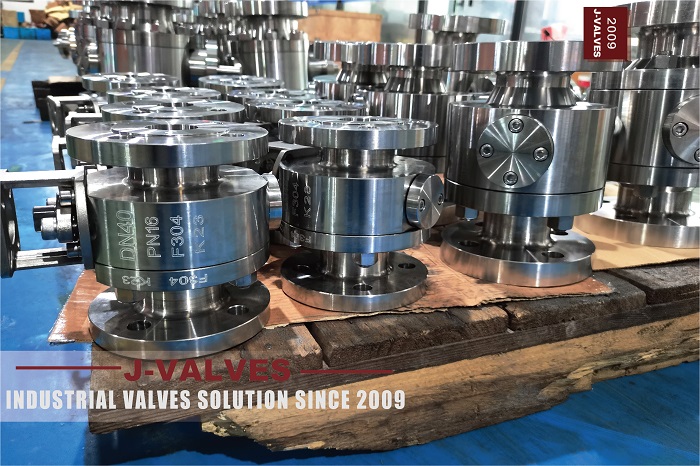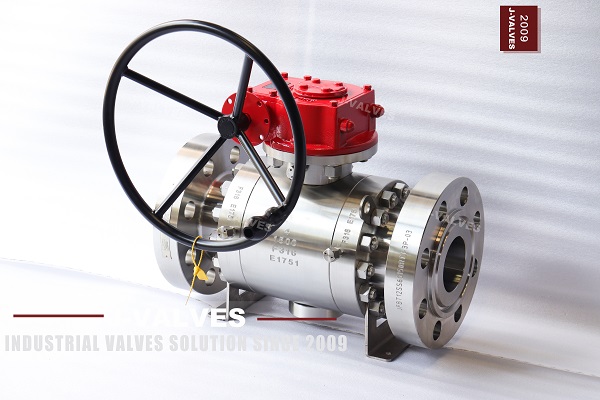


Trunnion ball valves are widely used in various industrial applications due to their ability to handle high pressures and large flow rates. One of the key factors in ensuring the efficient operation of these valves is proper torque management. Optimizing torque management not only enhances the valve's performance but also extends its lifespan and reduces maintenance costs.
Understanding Torque in Trunnion Ball Valves
Torque is the rotational force required to operate a trunnion ball valve. Proper torque management ensures that the valve operates smoothly and efficiently, without excessive wear on the valve components. In trunnion ball valves, the ball is supported by a trunnion mechanism, which reduces the torque required to rotate the ball compared to floating ball valves. However, several factors can affect the torque requirements, including the size of the valve, the pressure differential across the valve, and the type of actuator used.
1. Valve Size: Larger valves generally require more torque to operate due to the increased surface area and friction.
2. Pressure Differential: Higher pressure differentials across the valve can increase the torque required to open or close the valve.
3. Actuator Type: The type of actuator used (e.g., pneumatic, electric, hydraulic) can influence the torque output and control precision.
4. Material and Coatings: The materials used for the valve components and any surface coatings can affect friction and, consequently, the torque required.
Steps to Optimize Torque Management
1. Select the Appropriate Actuator
Choosing the right actuator is crucial for optimizing torque management. Key considerations include:
Torque Capacity: Ensure the actuator provides sufficient torque to operate the valve under maximum operating conditions.
Actuator Type: Select an actuator type that matches the specific requirements of the application. Pneumatic actuators are suitable for high-speed operations, while electric actuators offer precise control and are easier to integrate into automated systems.
Fail-Safe Mechanisms: Consider actuators with fail-safe mechanisms to ensure the valve can be safely positioned in case of power loss or other emergencies.
2. Proper Installation and Alignment
Correct installation and alignment of the actuator are essential for efficient torque management. Key steps include:
Secure Mounting: Ensure the actuator is securely mounted to the valve to prevent misalignment and reduce wear.
Alignment: Verify that the actuator is properly aligned with the valve stem to ensure smooth operation and minimize friction.
Torque Settings: Adjust the actuator's torque settings according to the manufacturer's recommendations to avoid over-torquing, which can damage the valve components.
3. Lubrication and Maintenance
Regular lubrication and maintenance are vital for reducing friction and extending the lifespan of the valve components. Key practices include:
Lubricate Regularly: Apply high-quality lubricants to the valve stem and other moving parts to reduce friction and wear.
Inspect and Clean: Regularly inspect the valve internals for debris or wear and clean as necessary to ensure smooth operation.
Replace Worn Components: Promptly replace any worn or damaged components, such as seals and bearings, to maintain optimal performance.
4. Monitor and Adjust Torque
Continuous monitoring and adjustment of torque settings are essential for maintaining optimal performance. Key steps include:
Torque Monitoring: Use torque sensors or monitoring systems to track the torque required to operate the valve and detect any changes that may indicate issues.
Adjust as Needed: Periodically adjust the actuator's torque settings based on the monitoring data to ensure the valve operates efficiently and safely.
Calibration: Regularly calibrate the actuator and control system to ensure accurate torque control and response.
5. Optimize Operating Conditions
Managing the operating conditions of the valve can also help optimize torque management. Key considerations include:
Pressure Management: Ensure the valve operates within its rated pressure range to avoid excessive torque requirements.
Temperature Control: Maintain the valve within its operating temperature range to prevent thermal expansion or contraction, which can affect torque.
Flow Rate: Optimize the flow rate through the valve to reduce the pressure differential and minimize torque requirements.