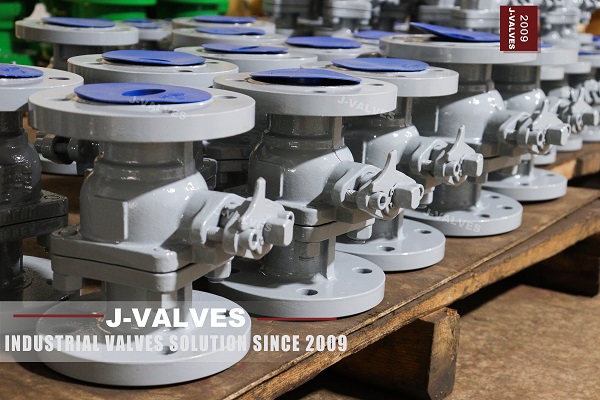
When it comes to industrial fluid control, selecting the right valve directly impacts system efficiency, safety, and long-term costs. J-VALVES 2-piece threaded ball valves have emerged as a top choice for industries like oil & gas, chemical processing, and water treatment—and for good reason. Let’s break down their core advantages that make them stand out in the market.
1. Unmatched Sealing Reliability & Zero Leakage
J-VALVES 2-piece threaded ball valves use a floating ball design: the ball floats freely and presses tightly against the valve seat under medium pressure, creating a bubble-tight seal. Paired with high-performance sealing materials (like PTFE/RPTFE), these valves achieve zero leakage—critical for preventing media waste, environmental hazards, and safety risks. Even in low-pressure or vacuum conditions, the seal remains consistent.
2. Easy Maintenance & Reduced Downtime
The 2-piece body design is a game-changer for upkeep: unlike 1-piece valves (which require full disassembly from pipelines), J-VALVES’ split-body structure lets you access internal components (seats, ball, stem) without removing the valve from the line. This cuts maintenance time drastically, minimizes production downtime, and lowers labor costs.
3. Compact, Space-Saving & Lightweight
Threaded connections (compatible with G/NPT/PT standards) eliminate the need for bulky flanges or gaskets, making these valves ultra-compact—perfect for tight installation spaces (e.g., skid-mounted systems or crowded pipeline racks). Their lightweight construction also reduces support requirements and eases handling during installation.
4. Exceptional Durability & Corrosion Resistance
Constructed from 304/316 stainless steel (or WCB cast steel for high-strength needs), J-VALVES threaded ball valves resist corrosion from aggressive media (acids, alkalis, seawater) and withstand harsh operating conditions (temperatures from -29°C to 425°C, pressures up to 1000 PSI). The blow-out-proof stem design adds an extra layer of safety by preventing stem ejection under high pressure.
5. Low Fluid Resistance & Energy Efficiency
These valves feature a full-port design, meaning the ball’s bore matches the pipeline diameter. This creates a straight, unobstructed flow path—resulting in minimal pressure loss (resistance coefficient equal to a same-length pipe segment). Lower pressure drop translates to reduced energy consumption for pumps/compressors, cutting operational costs over time.
6. Safety-Compliant & Versatile
J-VALVES 2-piece threaded ball valves meet global industry standards:
API 607 fire-safe design: Maintains sealing integrity even in fire emergencies.
Anti-static device: Prevents static buildup (critical for flammable media).
Lockable handle: Reduces accidental operation risks.
They work with a wide range of media (water, oil, gas, steam, corrosive chemicals) and fit applications from small-scale plumbing to heavy industrial processes.
7. Cost-Effective Performance
Compared to 3-piece valves (higher cost) or 1-piece valves (limited maintainability), J-VALVES 2-piece threaded ball valves strike the perfect balance:
Lower upfront costs than flanged or 3-piece alternatives.
Minimal maintenance expenses (replaceable seals instead of full valve replacement).
Long service life that avoids frequent replacements.
Why J-VALVES Stands Out
Beyond the valve’s inherent advantages, J-VALVES’ commitment to quality (compliant with API 598 testing standards) and customization (size options: 1/4” to 4”) ensures these valves fit your specific system needs—not just a one-size-fits-all solution.
In short, J-VALVES 2-piece threaded ball valves deliver reliability, efficiency, and cost savings—making them a smart investment for any industrial fluid control setup.