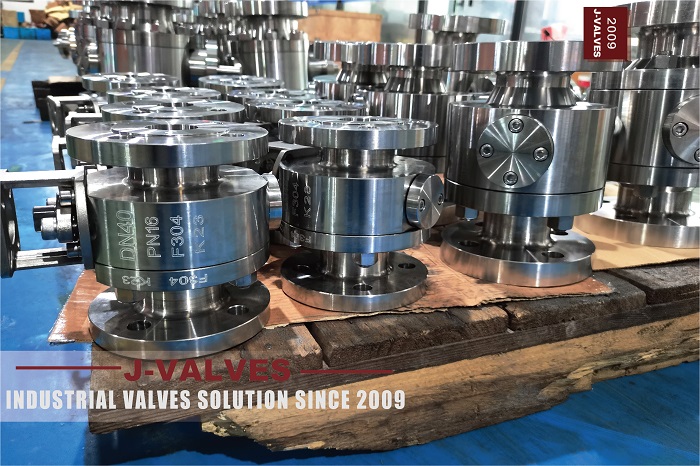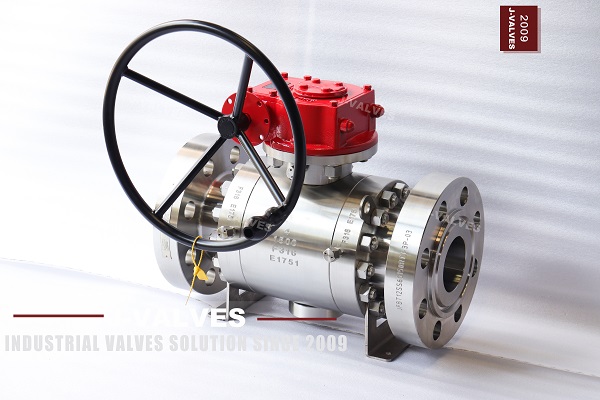


In industrial systems where high-pressure fluids and gases are transported, the design and functionality of the valve system are critical to ensure efficient operation. One of the most effective solutions in such environments is the trunnion ball valve, a valve type that offers superior pressure handling and flow optimization capabilities. Trunnion ball valves are widely used in industries such as oil and gas, chemical processing, and power generation, where controlling the flow and maintaining safety standards are paramount.
What Are Trunnion Ball Valves?
A trunnion ball valve is a type of ball valve where the ball is supported by trunnions (top and bottom shafts). This trunnion-mounted design allows the valve to handle higher pressures and larger flow rates compared to conventional floating ball valves. The trunnion support helps maintain the ball's position, reducing wear and tear, and providing greater stability during operation. The trunnion ball valve design is particularly suitable for pipelines with large diameters and high-pressure fluid systems.
The core principle behind the design of trunnion ball valves is to provide an efficient means of controlling the flow of fluids while maintaining excellent sealing performance, particularly in high-pressure conditions.
Key Design Principles of Trunnion Ball Valves
1. Optimized Flow Path
One of the key advantages of trunnion ball valves is their ability to maintain a smooth and unrestricted flow path. The ball, which is the primary flow-control element, is typically designed with a full-bore opening. This means that when the valve is fully open, the internal diameter of the valve is equal to the pipeline’s diameter, allowing for minimal flow resistance. This feature is crucial in industries that require high flow rates, such as in oil and gas pipelines or power generation systems.
The trunnion mounting stabilizes the ball, ensuring consistent alignment and smooth flow throughout the valve. This results in a more optimized flow by reducing turbulence, minimizing pressure loss, and enhancing overall system efficiency.
2. Pressure Handling Capacity
Trunnion ball valves are designed to handle high-pressure applications due to their unique structure. The trunnions (top and bottom shafts) support the ball, reducing the forces exerted on the valve seals and increasing the valve’s pressure handling capabilities. Unlike floating ball valves, where the ball is suspended and can move during operation, the trunnion ball valve design prevents ball displacement under high pressure.
This is particularly beneficial in high-pressure environments, such as in oil and gas production, where maintaining a constant pressure and flow is essential for system stability. The trunnion ball valve can manage higher pressure differentials, making it ideal for use in deep-water drilling, gas compression, and critical fluid transfer systems.
3. Reliable Sealing and Leak Prevention
Sealing is one of the most crucial aspects of any valve design, and the trunnion ball valve excels in providing effective sealing under high-pressure conditions. The trunnion-mounted ball is precisely fitted within the valve body, and it maintains a tight seal when the valve is closed.
In addition to the trunnion support, the valve typically includes multiple seals, such as primary seats and secondary seals, which enhance leak prevention. Trunnion ball valves are also designed with blowout-proof stem features, ensuring that even under extreme pressure conditions, the valve remains secure and leak-free. This robust sealing mechanism makes them ideal for industries that handle hazardous materials or operate in critical safety environments.
4. Minimized Torque Requirements
Another design advantage of trunnion ball valves is their reduced torque requirements compared to floating ball valves. Since the ball is supported by the trunnions, there is less friction and resistance during operation. This results in lower torque requirements to open or close the valve, which makes it easier to control the flow and reduces the need for large actuators.
Lower torque requirements are particularly important in automated valve systems where precise control is essential. Reduced torque also contributes to energy savings, making trunnion ball valves a more efficient choice for industrial applications.
5. Durability and Longevity
Trunnion ball valves are built to last. The design minimizes the wear on key components, such as the ball and seats, due to the stabilization provided by the trunnions. This results in a longer operational life, even in systems that operate under high-pressure or high-temperature conditions.
Moreover, the materials used in manufacturing trunnion ball valves, such as stainless steel, carbon steel, or alloy steels, provide excellent resistance to corrosion, erosion, and wear. This durability makes them suitable for use in challenging environments, such as in offshore oil platforms, petrochemical refineries, and power generation plants.
6. Versatility in Application
Trunnion ball valves are highly versatile and can be used in a wide range of industrial applications. They are commonly found in critical areas such as:
Oil and Gas Industry: For high-pressure and high-flow applications such as deepwater drilling, gas transportation, and refinery operations, trunnion ball valves provide the necessary performance and safety.
Chemical Processing: Trunnion ball valves are essential in chemical plants for controlling the flow of aggressive chemicals under high pressure, ensuring system integrity and preventing contamination.
Power Generation: In power plants, these valves are used in steam, water, and gas systems to control the flow and pressure of fluids, ensuring the safe and efficient operation of turbines and boilers.
Water Treatment: Trunnion ball valves are also used in municipal water systems for flow control in high-pressure pipelines and filtration systems.
Advantages of Trunnion Ball Valve Design
High Pressure Handling: Trunnion ball valves are designed to handle higher pressures compared to floating ball valves, making them ideal for use in industries that require a robust solution for high-pressure fluid systems.
Improved Flow Efficiency: The full-bore design of the trunnion ball valve reduces flow resistance, ensuring optimal flow efficiency with minimal pressure loss.
Durability and Low Maintenance: The reduced wear on key components and the use of corrosion-resistant materials extend the operational life of the valve, reducing the need for frequent maintenance.
Reliable Sealing: Trunnion ball valves provide excellent sealing under high pressure, ensuring leak-free operation and minimizing the risk of hazardous fluid leakage.
Energy Savings: With minimized torque requirements, trunnion ball valves can be operated more efficiently, resulting in energy savings and reduced operational costs.
Conclusion
The trunnion ball valve is a crucial component in industrial fluid control systems where flow optimization and pressure handling are key factors for success. Its unique design, which supports the ball on trunnions, allows for better flow efficiency, greater pressure handling capacity, and reduced wear and tear. As industries continue to rely on high-pressure and high-flow systems, trunnion ball valves offer a durable, reliable, and cost-effective solution for managing fluid flow and ensuring system stability.