
Ball Valve News & Technical Insights from J-VALVES

Steam-Out: What A Closed Ball Valve Meets When The Line Is Cleaned
Steam-out is a procedure, not a design condition. What a closed soft seated ball valve meets during it, and why the leak shows up at restart.

The Weld Beside The Seat: What Field Welding And Stress Relief Do To A Ball Valve
A ball valve is seat tested before anyone welds it. What welding heat and stress relief do to the seat, and four ways to keep the two apart.

Bayer Process Ball Valves: A Valve That Machines Its Own Seat Groove
Caustic at 250 C and 35 percent red mud do not corrode a ball valve. They cut an annular groove at the seat line that no seat travel can reach.
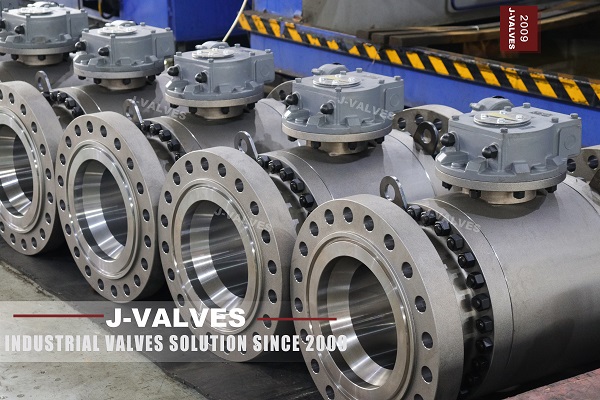
A Ball Valve Does Not Warm Evenly: Thermal Shock, Distortion And The Leak That Only Exists At Start-Up
A slug of hot or cold liquid need not crack a ball valve. It bends the body first, moves the seat pockets, and the leak closes once the wall evens out.
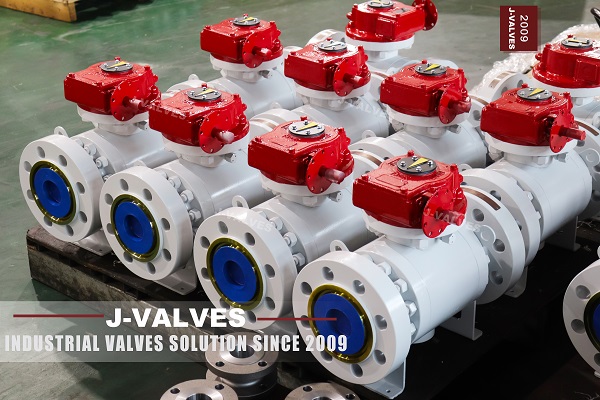
A Ball Valve Is A Tuning Fork: Vibration, Fretting And The Joints That Only Hold By Friction
A ball valve holds seat, stem and body joint by preload alone. Vibration turns that preload into micro-motion, and the wear arrives with no cycle at all.

Urea Plant Ball Valves: The Wetted Path Survives Only While Oxygen Is Being Fed To It
Carbamate at 150 bar and 185 C eats stainless 50 times faster once the passive film starves. The valve cavity is where the oxygen runs out first.
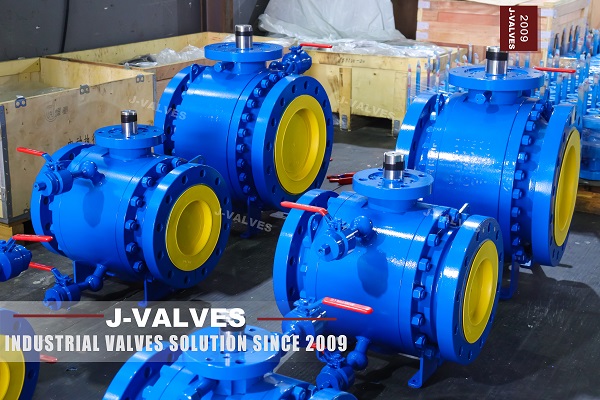
Stiction: What A Ball Valve Becomes When Nobody Turns It
A valve that stood closed for years has not worn out. The seat has bonded to the ball, and the first stroke is a step, not a ramp. What the trace shows.

Molten Salt Ball Valves: The Valve Works at 565 C And Dies at 219 C
Salt freezes at 220 C and decomposes at 565 C. Everything a molten salt ball valve does happens in that 345 kelvin gap, and the gap is not generous.

Direct Air Capture Ball Valves The Vacuum Side Runs The Seal Backwards, And Three Hundred Thousand Strokes Decide The Design
A solid sorbent DAC plant moves 1.3 million cubic metres of air per tonne of CO2, then asks a DN50 ball valve to hold 0.9 bar from the wrong side.

Your Ball Valve Is Not A Test Blind: What A Hydrotest Does To The Seats
A line test puts pressure on the wrong side of the seat logic, above the valve's own seat test, with water that stays in the pocket. What to arrange instead.