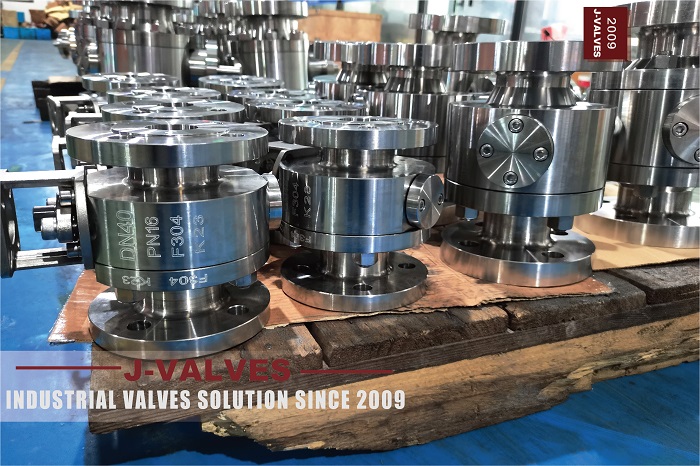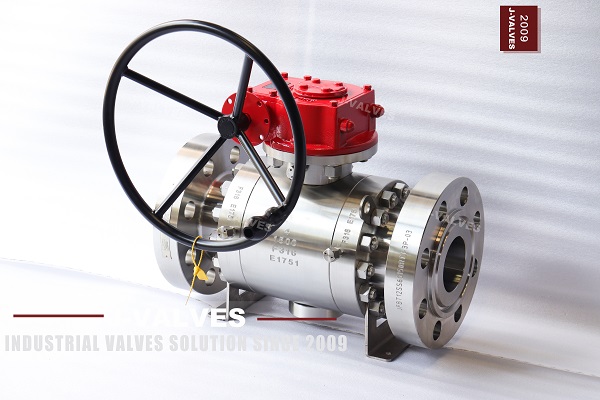


In oil and gas pipelines, refineries, chemical plants, and high-pressure industrial systems, valves must do more than simply open and close. They must perform reliably under high temperature, abrasive media, pressure fluctuations, and demanding operating conditions. That is where a metal seated ball valve API 6D compliant solution becomes highly valuable.
Designed to meet the requirements of API 6D while offering the durability of metal-to-metal sealing, this valve type is a strong choice for applications where standard soft-seated valves may not last long enough.
I.What Is an API 6D Metal Seated Ball Valve?
API 6D is a widely recognized standard for pipeline valves used in the oil and gas industry. It defines requirements related to design, manufacturing, inspection, and testing.
A metal seated ball valve uses metal sealing surfaces between the ball and the seat instead of soft sealing materials such as PTFE or elastomers. This makes the valve better suited for harsh service conditions where heat, wear, or abrasive particles can damage softer materials.
II.Main Advantages of Metal Seated Ball Valves
1. Excellent performance in high-temperature service
Soft-seated valves can lose sealing performance when exposed to elevated temperatures.
A metal seated ball valve is better suited for high-temperature environments such as steam systems, hot oil lines, and thermal process applications.
2. Strong resistance to wear and erosion
When the fluid contains solids, sand, scale, or other abrasive particles, valve seats can wear quickly.
Metal seated designs offer improved resistance to erosion and abrasion, helping extend valve service life.
3. Suitable for severe service conditions
A metal seated ball valve API 6D compliant is often selected for harsh operating environments involving high pressure, frequent cycling, and demanding reliability requirements.
It provides a durable sealing solution for critical pipeline systems.
4. Longer maintenance intervals
Because the sealing surfaces are made of metal, the valve is generally more durable than a soft-seated alternative in severe service.
This can reduce the frequency of repair, minimize downtime, and lower total maintenance cost.
5. Versatile for challenging media
Metal seated ball valves can handle a wide range of difficult media, including hot fluids, corrosive service, abrasive slurries, and high-pressure gas systems.
This flexibility makes them useful across many industrial sectors.
III.Why Choose an API 6D Compliant Valve?
Choosing an API 6D compliant valve means selecting a product designed with pipeline reliability in mind.
For projects where safety, performance consistency, and long-term operation matter, API 6D compliance provides additional confidence in valve quality and application suitability.
When combined with metal seated construction, the result is a valve that is not only standard-compliant but also engineered for demanding industrial duty.
IV.Typical Applications
Metal seated ball valves are commonly used in:
Oil and gas transmission pipelines
Refinery units
Petrochemical plants
High-temperature steam systems
Power generation facilities
Mining and metallurgy operations
Abrasive or particle-laden process lines
V.Selection Tips
When choosing a metal seated ball valve API 6D compliant, consider the following:
Pressure class
Operating temperature
Media characteristics
Body material
Seat and ball material
End connection type
Actuation method
Fire-safe or double isolation requirements
Proper selection is essential to ensure the valve performs as expected in real operating conditions.
VI.Conclusion
A metal seated ball valve API 6D compliant offers a practical balance of durability, reliability, and standards-based performance.
For high-temperature, high-pressure, and abrasive service, it is often a better choice than a conventional soft-seated ball valve.
If your project requires stable operation, reduced maintenance, and dependable sealing in severe service, this valve type deserves serious consideration.
VII.FAQ
Q1: What is the difference between a metal seated and soft seated ball valve?
A metal seated ball valve is designed for high-temperature and abrasive service, while a soft seated ball valve is usually better for cleaner, lower-temperature media.
Q2: What does API 6D mean?
API 6D is a pipeline valve standard covering design, manufacturing, testing, and performance requirements.
Q3: Where is a metal seated ball valve used?
It is commonly used in oil and gas, refineries, chemical processing, steam systems, and other severe service applications