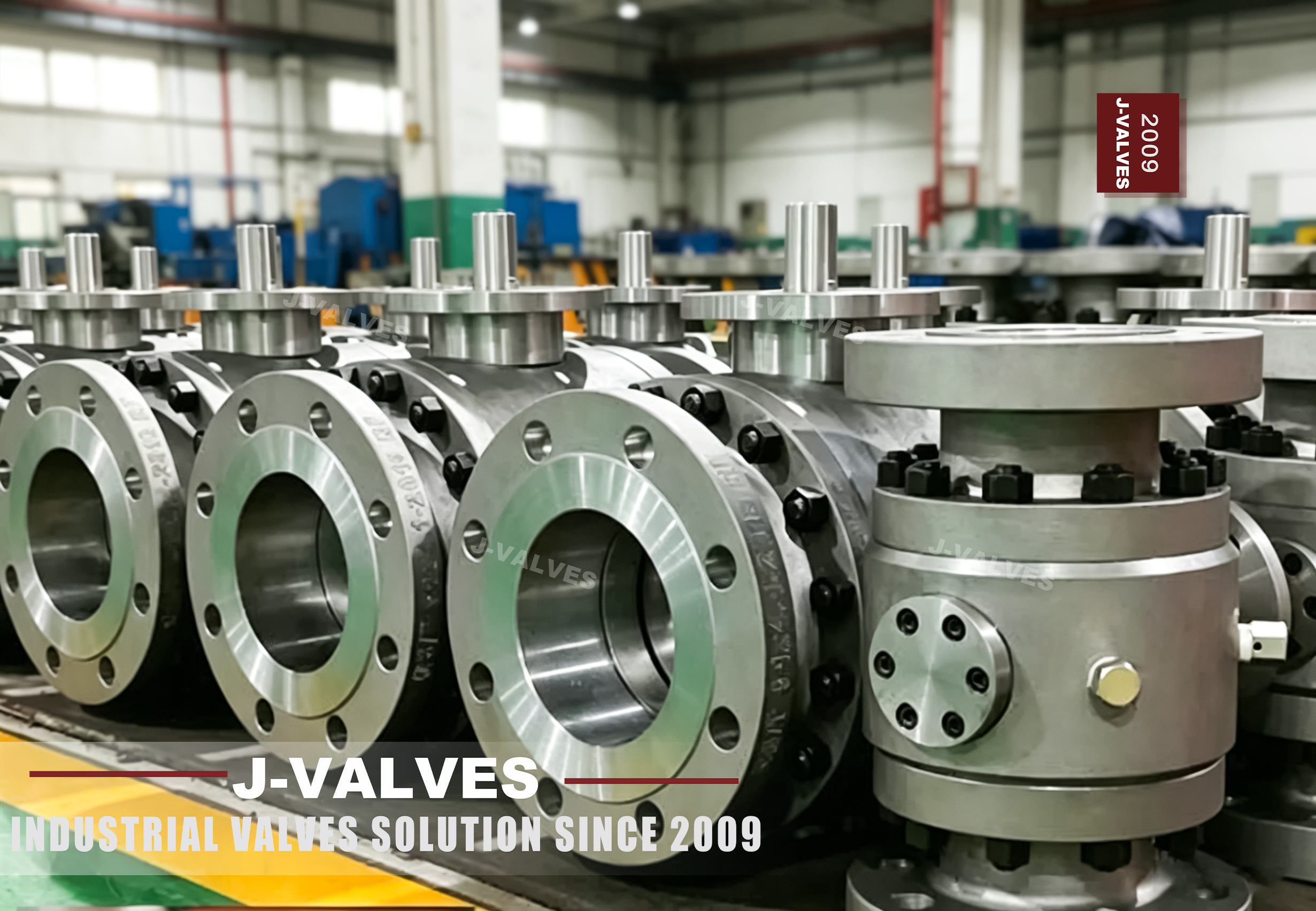
In industrial piping systems, controlling the flow of fluids, gases, or slurries is paramount for ensuring both safety and efficiency. Ball valves, particularly Full Bore Trunnion Mounted Ball Valves, have become essential components for systems requiring reliable, high-performance valves.
What Are Full Bore Trunnion Mounted Ball Valves?
Full Bore Trunnion Mounted Ball Valves are a specific type of ball valve designed with a full, unobstructed flow path. Unlike conventional ball valves, which have a reduced bore, Full Bore valves provide a larger internal diameter, matching that of the pipeline, allowing for unrestricted flow.
The trunnion design refers to the support structure provided by the two trunnions (or shafts) that are fixed to the ball at both ends, which helps to stabilize the ball within the valve body. This design reduces the operational stresses on the valve and ensures better control and sealing under high-pressure conditions.
Key Features of Full Bore Trunnion Mounted Ball Valves
Unobstructed Flow Path:
The primary characteristic of a Full Bore Trunnion Mounted Ball Valve is its full-bore design. The valve’s internal diameter is equal to the pipeline diameter, which eliminates flow restrictions. This feature makes it ideal for applications that require a smooth, unhindered flow of fluids or gases.Enhanced Durability:
The trunnion-mounted design reduces the wear and tear typically associated with floating ball valves. By securing the ball at both ends, the valve can withstand higher pressure and temperature fluctuations without compromising performance or integrity.Improved Flow Control:
The trunnion-mounted structure provides better mechanical stability, allowing for precise control of flow, even in extreme conditions. The ball is not subject to floating or movement within the body, ensuring consistent performance and enhanced sealing capacity.Minimal Torque Requirements:
Due to the trunnion support, these valves require less actuator torque for operation compared to other types of ball valves. This makes them suitable for large-scale applications where large valve sizes are necessary.Leak-Proof Design:
Full Bore Trunnion Mounted Ball Valves are designed to provide a tight seal, reducing the chances of leakage. With advanced sealing technology, these valves are often used in applications where leak-proof performance is critical, such as in hazardous fluid handling.
Advantages of Full Bore Trunnion Mounted Ball Valves
Higher Pressure and Temperature Handling:
These valves can handle high-pressure and high-temperature conditions without compromising on performance. This makes them ideal for industries such as oil and gas, petrochemical, and power generation, where fluctuating pressures and temperatures are common.Reduced Maintenance:
Thanks to their robust design, Full Bore Trunnion Mounted Ball Valves tend to have lower maintenance costs. Their ability to operate effectively under high-pressure conditions reduces the need for frequent servicing or replacement.Better Flow Control and Performance:
With the full bore design and the trunnion mount’s added stability, operators can expect smoother flow control and better performance, especially in high-flow applications. This is particularly beneficial in situations where controlling the flow rate is crucial for system optimization.Corrosion and Abrasion Resistance:
Full Bore Trunnion Mounted Ball Valvesare available in a variety of materials, including corrosion- and abrasion-resistant alloys, making them highly suitable for applications in harsh environments such as chemical processing plants, offshore platforms, and mining operations.Cost Efficiency for Larger Systems:
For large-scale industrial systems, Full Bore Trunnion Mounted Ball Valves provide a cost-effective solution by offering greater durability and fewer service interruptions. The valve’s ability to maintain high performance across a variety of challenging applications results in significant long-term cost savings.
Applications of Full Bore Trunnion Mounted Ball Valves
Oil and Gas Industry:
Full Bore Trunnion Mounted Ball Valves are commonly used in the oil and gas industry, where they provide reliable flow control for both upstream and downstream processes. They are ideal for handling high-pressure fluids in pipelines, storage facilities, and offshore platforms.Petrochemical and Chemical Processing:
In petrochemical plants, these valves are essential for safely managing high-pressure, corrosive chemicals and gases. Their ability to handle extreme pressures and temperatures while preventing leaks makes them a crucial component in critical systems.Power Generation:
Power plants rely on Full Bore Trunnion Mounted Ball Valves to regulate the flow of steam, water, and other fluids in boilers, turbines, and cooling systems. The valve’s robustness ensures reliability and safety under demanding operational conditions.Water and Wastewater Treatment:
Full Bore Trunnion Mounted Ball Valves are also used in water treatment facilities to control the flow of treated and untreated water. Their leak-proof design helps ensure that contaminants do not enter the system, making them critical for maintaining the quality of water supplies.Mining and Metal Processing:
In mining operations, these valves can withstand the harsh conditions and high-pressure systems typically used to manage slurries, gases, and high-temperature fluids, ensuring safe and efficient operation.
Conclusion
Full Bore Trunnion Mounted Ball Valves are indispensable components for industries requiring high-performance valves in critical applications. With their ability to handle high pressures and temperatures, offer an unobstructed flow path, and provide reliable sealing capabilities, these valves are essential for maintaining efficient and safe operations in a wide range of industries. When selecting the right valve for your system, consider the specific operational needs and ensure you choose a valve that offers the durability, efficiency, and safety you require.
By choosing Full Bore Trunnion Mounted Ball Valves, industries can optimize their systems for better performance, reduced maintenance, and long-term reliability.