

1.Understanding Floating Ball Valves
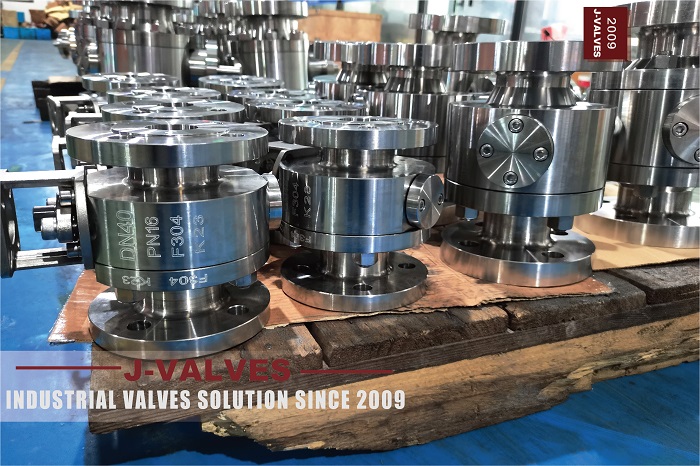
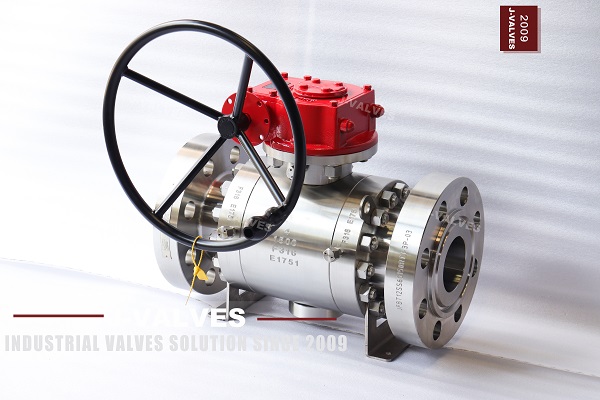
Floating ball valves are a type of quarter-turn valve that uses a spherical ball to control fluid flow. The ball is supported by the valve seats, which allow it to float slightly under pressure, ensuring a tight seal. This design makes floating ball valves suitable for applications requiring high-pressure and high-temperature conditions, as well as those involving corrosive or abrasive fluids.
2. Rapid Operation in Floating Ball Valves
The ability to quickly open and close a valve is crucial in many industrial processes, especially in applications where rapid response is necessary to maintain process control or prevent system overpressure.
2.1 Quarter-Turn Mechanism
Floating ball valves operate on a quarter-turn mechanism, which allows for quick and efficient operation. The valve can be fully opened or closed with a 90-degree rotation of the handle or actuator. This design provides several benefits:
• Fast Response: The quarter-turn mechanism enables rapid opening and closing, which is essential in applications requiring quick response times.
• Ease of Operation: The simple rotation mechanism makes the valve easy to operate, reducing the effort required to open or close the valve.
2.2 Actuation Options
The choice of actuation can significantly impact the speed of operation. Common actuation options include:
• Manual Operation: Using a handwheel or lever, manual operation is suitable for applications where frequent operation is not required.
• Electric Actuators: Provide precise control and rapid operation, making them ideal for automated systems.
• Pneumatic Actuators: Offer quick response times and are suitable for high-pressure applications.
• Hydraulic Actuators: Provide high torque and rapid operation, making them suitable for heavy-duty applications.
3. Sealing Performance in Floating Ball Valves
Sealing performance is a critical aspect of floating ball valves, ensuring reliable shut-off and preventing leaks. Achieving excellent sealing performance involves several key factors:
3.1 Seating Materials
The choice of seating material is crucial for achieving a tight seal. Common seating materials include:
• PTFE (Polytetrafluoroethylene): Provides excellent chemical resistance and low friction, making it suitable for a wide range of applications.
• EPDM (Ethylene Propylene Diene Monomer): Offers good resistance to water and steam, making it suitable for low- to moderate-temperature applications.
• NBR (Nitrile Butadiene Rubber): Provides good resistance to oils and some chemicals, making it suitable for applications involving treated water.
• Metal Seating: Offers superior durability and thermal stability, making it suitable for high-temperature and high-pressure applications.
3.2 Sealing Mechanism
The sealing mechanism in floating ball valves relies on the pressure differential across the valve to push the ball against the seat, creating a tight seal. This design ensures that the valve can maintain a tight seal even under high pressure.
3.3 Surface Finish
The surface finish of the ball and seat is critical for achieving a tight seal. A smooth, polished surface reduces the risk of leakage and ensures reliable sealing performance.
4. Balancing Rapid Operation and Sealing Performance
4.1 Design Optimization
Optimizing the design of the floating ball valve can help achieve a balance between rapid operation and sealing performance. Key design considerations include:
• Ball and Seat Design: Ensuring proper alignment and fit between the ball and seat is crucial for achieving a tight seal. The ball should be precisely machined to ensure uniform contact with the seat.
• Actuator Selection: Choosing the appropriate actuator for the application can significantly impact the speed of operation. Electric and pneumatic actuators are often preferred for their rapid response times.
• Torque Management: Ensuring that the valve operates within the specified torque limits is essential for maintaining sealing performance. Excessive torque can damage the seat and compromise the seal.
4.2 Maintenance and Inspection
Regular maintenance and inspection are crucial for maintaining the balance between rapid operation and sealing performance. Key maintenance activities include:
• Lubrication: Regularly lubricating the valve components can reduce friction and wear, ensuring smooth operation and extending the valve's service life.
• Seal Inspection: Periodically inspecting the seals for wear or damage can help identify potential issues before they lead to leaks.
• Actuator Calibration: Ensuring that the actuator is properly calibrated can help maintain the valve's response time and sealing performance.