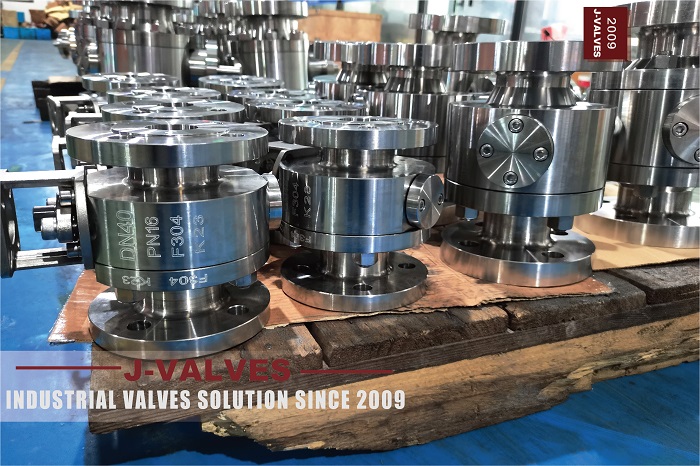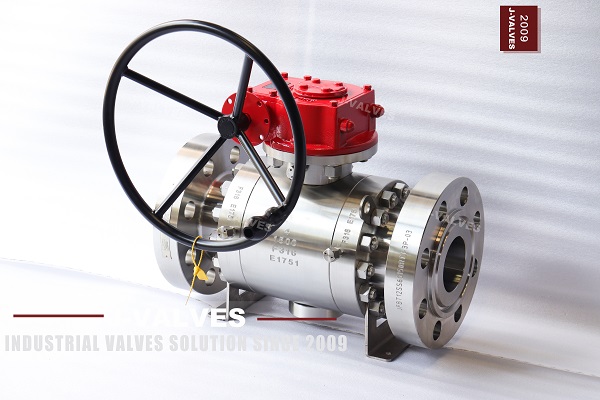


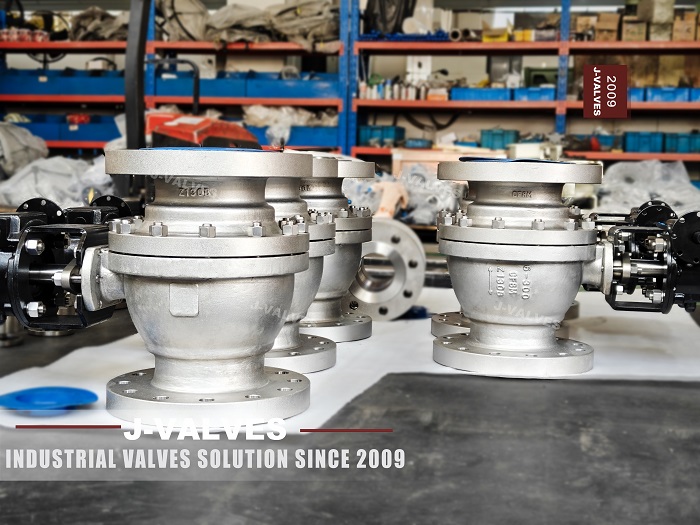
In the demanding world of industrial flow management, the Floating Ball Valve remains a cornerstone for ensuring safety and efficiency. But what exactly makes a floating ball valve "reliable" for pipeline control, and why should it be your top choice?
I. How a Floating Ball Valve Works
Unlike trunnion-mounted designs, a floating ball is not held in place by a pivot. Instead, it "floats" slightly downstream against the seat under pressure. This mechanism creates a bubble-tight seal, making it exceptionally effective for low to medium-pressure applications.
II. Key Advantages for Pipeline Control
Why do engineers consistently specify floating ball valves? Here are the primary benefits:
Superior Sealing Capability: The upstream pressure pushes the ball against the downstream seat, ensuring a leak-proof closure even after frequent cycles.
Compact and Cost-Effective: With fewer internal components than trunnion valves, they offer a streamlined design that reduces both initial investment and maintenance costs.
Low Operating Torque: Precision-engineered floating valves provide smooth operation, extending the lifespan of actuators and manual levers.
Versatility: From water treatment to chemical processing, these valves handle a wide range of media with high reliability.
III. What Defines "Reliability"?
To avoid pipeline failures, a reliable valve must feature:
Anti-Static Design: Prevents sparks in volatile environments.
Blow-out Proof Stem: Ensures operator safety under high-pressure surges.
Fire-Safe Certification: Maintains integrity during emergency thermal events.
IV. Why Choose Our Solutions?
At [ZHEJIANGJ-VALVES FLUID EQUIPMENT CO.,LTD], we don't just sell valves; we provide peace of mind. Our floating ball valves undergo rigorous pressure testing and material verification to ensure they exceed industry standards like API 6D and ISO 9001.