

Introduction
Pipeline isolation is a critical engineering requirement in oil and gas transportation, storage, processing, and terminal facilities. Valves used in these systems must provide dependable shut-off performance while allowing operators to manage trapped pressure and perform maintenance safely.
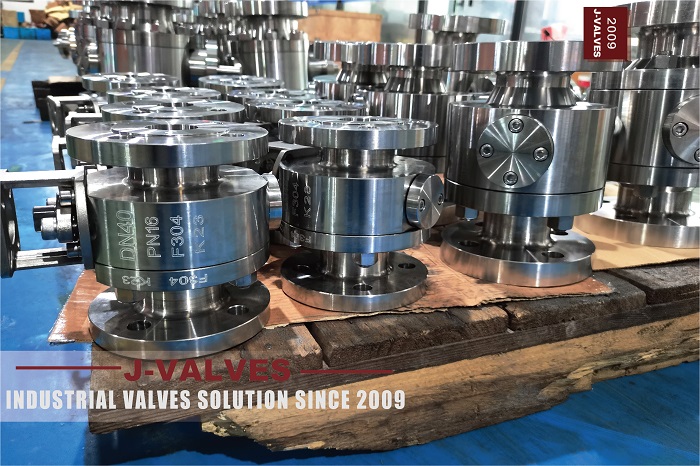
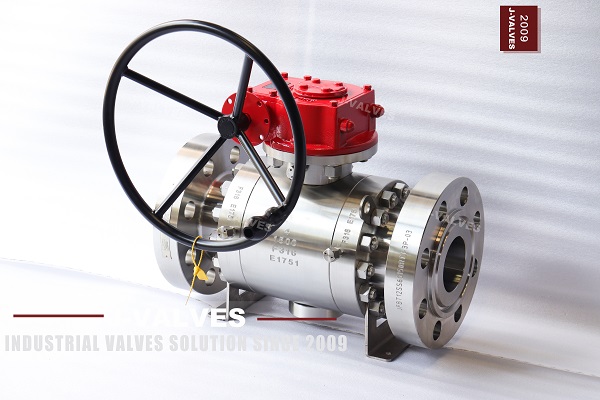
A DBB Ball Valve, also known as a Double Block and Bleed Ball Valve, integrates two independent isolation barriers with an intermediate bleed function. This configuration can provide a more compact alternative to using multiple conventional isolation valves and additional piping components.
For oil and gas applications, an Oil and Gas DBB Ball Valve can be engineered for high-pressure hydrocarbon service, pipeline isolation, equipment maintenance, and process-unit separation. J-VALVES provides customized DBB ball valve solutions with a focus on structural reliability, sealing performance, material selection, and manufacturing quality.
1. Why DBB Ball Valves Are Used in Oil and Gas Systems
Oil and gas pipelines frequently require isolation between different sections of a process or transportation system. During inspection, maintenance, commissioning, or equipment replacement, reliable isolation is essential.
A conventional ball valve normally provides one primary flow barrier. A DBB configuration is designed to provide two separate sealing barriers, with a cavity between them that can be connected to a bleed or vent arrangement.
The main engineering benefits include:
Dual isolation within one valve assembly
Intermediate cavity pressure management
Isolation verification capability
Reduced piping complexity
Compact installation footprint
Convenient integration into critical pipeline systems
These characteristics make DBB ball valves suitable for many applications where isolation reliability is a key design consideration.
2. Structure of an Oil and Gas DBB Ball Valve
The exact construction of a DBB Ball Valve depends on valve size, pressure class, temperature, sealing configuration, and project specifications.
A typical design includes:
Valve Body: The main pressure-containing component.
Ball: Controls the pipeline flow passage.
Two Seat Systems: Provide the primary isolation barriers.
Stem: Transfers operating torque to the ball.
Bleed Connection: Provides access to the cavity between the isolation barriers.
Body Sealing System: Helps prevent external leakage.
Actuator or Operator: Provides manual or automated valve operation.
For larger pipeline sizes and higher-pressure services, trunnion-mounted ball valve configurations are commonly considered because the ball is mechanically supported and operating torque can be better controlled.
3. Double Block and Bleed Working Principle
The operating principle of a Double Block and Bleed Ball Valve is based on establishing two independent sealing barriers.
When the valve is open, the ball passage aligns with the pipeline and allows the process medium to flow.
When the valve is closed:
The upstream seat isolates the incoming pressure.
The downstream seat provides a second isolation barrier.
The cavity between the seats can be connected to the bleed system.
Cavity pressure can be monitored or released according to the operating procedure.
The isolation condition can therefore be evaluated before maintenance activities.
The exact seat behavior and cavity-pressure management depend on the specific DBB design. Engineers should always follow the manufacturer's operating instructions and the applicable project safety procedures.
4. Advantages for Oil and Gas Pipeline Isolation
Enhanced Isolation Arrangement
Oil and gas systems often require reliable separation between pipeline sections, equipment, and process units. Two independent sealing barriers provide an additional isolation layer compared with a conventional single-barrier valve arrangement.
Cavity Bleed Capability
The bleed connection allows pressure trapped between the seats to be controlled. This can help operators identify pressure conditions within the valve cavity and prepare the isolated section for maintenance.
Reduced Installation Complexity
A DBB ball valve can combine isolation functions within one valve body. Compared with installing multiple individual valves and associated piping, this may reduce equipment count and installation space.
Efficient Operation
Ball valves use quarter-turn operation. When combined with a suitable actuator, DBB valves can be integrated into automated pipeline control and emergency isolation systems where the project design requires it.
5. DBB Ball Valves in High-Pressure Pipeline Applications
Pipeline pressure can vary considerably depending on the transportation system and process conditions. Therefore, an Oil and Gas DBB Ball Valve must be selected according to the actual design pressure and temperature rather than simply the nominal pipeline size.
Important selection parameters include:
Nominal valve size
Pressure class
Design and operating temperature
Pipeline medium
Body and trim materials
Seat materials
End connection
Operating torque
Actuation requirements
Required leakage performance
For high-pressure applications, body strength, seat loading, stem integrity, and cavity-pressure behavior should all be considered during engineering.
J-VALVES can develop valve configurations according to project-specific operating conditions and technical specifications.
6. Material and Sealing Selection
Material selection is particularly important in oil and gas service because pipelines may transport hydrocarbons containing water, hydrogen sulfide, carbon dioxide, chlorides, or other potentially aggressive components.
Depending on the application, DBB ball valves may use:
Carbon steel
Stainless steel
Low-temperature carbon steel
Alloy steel
Other corrosion-resistant materials
Seat and stem sealing materials should also be selected according to temperature, pressure, fluid compatibility, and required service life.
J-VALVES provides different material and sealing configurations to match specific project requirements rather than relying on a single standard combination.
7. DBB Ball Valve for Pipeline Maintenance
One of the practical advantages of DBB technology is its suitability for maintenance planning.
After the valve is closed, the intermediate cavity can be bled or monitored according to the valve design. This provides operators with an additional means of checking the isolation condition before work begins.
Potential maintenance benefits include:
Easier isolation verification
Controlled cavity pressure release
Reduced need for additional isolation components
More compact equipment arrangement
Simplified access to critical pipeline sections
However, DBB valves should be considered as part of the overall isolation strategy. Site-specific lockout, depressurization, gas testing, and safety procedures remain essential.
8. J-VALVES Engineering Advantages
J-VALVES combines industrial valve manufacturing experience with application-oriented engineering to provide DBB ball valves for demanding pipeline systems.
Professional Structural Engineering
J-VALVES considers valve size, pressure class, seat configuration, operating temperature, medium characteristics, and actuation requirements when developing DBB solutions.
Precision Machining
Accurate machining of the ball, seats, stem, body, and sealing surfaces helps maintain proper component alignment and consistent operating performance.
Flexible Material Selection
Different body, trim, seat, and packing materials can be selected according to the pipeline medium and environmental conditions.
Strict Inspection and Testing
J-VALVES applies quality-control procedures such as dimensional inspection, material verification, pressure testing, and sealing-performance checks according to applicable specifications.
Customized Pipeline Solutions
J-VALVES can provide customized DBB ball valve configurations, including different pressure classes, end connections, seat materials, body materials, and manual or automated operating systems.
9. Typical Oil and Gas Applications
Oil and Gas DBB Ball Valves can be applied in various pipeline and process systems, including:
Crude oil transportation pipelines
Natural gas pipelines
Gas processing facilities
Oil and gas terminals
Refinery process lines
Petrochemical plants
Storage facilities
Offshore platforms
Pipeline pigging systems
Equipment isolation systems
The final valve configuration should be selected according to the project's pressure, temperature, fluid composition, applicable standards, and isolation requirements.
Conclusion
DBB Ball Valves for Oil and Gas Pipeline Isolation Systems provide an integrated approach to double isolation and intermediate cavity pressure management. Their combination of two sealing barriers, a bleed function, compact construction, and quarter-turn operation makes them a valuable option for critical pipeline and process applications.
A reliable Oil and Gas DBB Ball Valve requires more than a suitable valve body. Seat design, material selection, cavity-pressure behavior, stem construction, operating torque, and testing requirements must all be considered during engineering.
With precision manufacturing, flexible material and sealing configurations, customized engineering capabilities, and strict quality control, J-VALVES provides DBB ball valve solutions designed to support reliable isolation and efficient operation in demanding oil and gas pipeline environments.