

Introduction
In critical pipeline systems, selecting the correct valve body material is essential for ensuring safety, reliability, and long-term operation. The DBB Ball Valve (Double Block and Bleed Ball Valve) is widely used in oil & gas, LNG, petrochemical, offshore, and energy industries because of its reliable isolation capability and enhanced sealing performance.
One of the most important factors affecting DBB ball valve performance is material selection. Different operating conditions require different materials to handle pressure, temperature, corrosion, and mechanical stress.
The correct DBB Ball Valve Material Selection helps improve service life, reduce maintenance requirements, and ensure safe operation in demanding environments.
J-VALVES provides customized DBB ball valve solutions with various material options, including carbon steel, stainless steel, duplex steel, and alloy steel, designed according to different industrial applications.
Why Material Selection Is Important for DBB Ball Valves
A DBB ball valve is often installed in critical isolation points where valve failure can affect system safety and operation efficiency.
The valve body material must withstand:
High operating pressure
Temperature variations
Corrosive media
Mechanical stress
Long-term continuous service
Incorrect material selection may result in:
Corrosion damage
Reduced sealing performance
Shortened valve life
Increased maintenance costs
Therefore, choosing the appropriate body material is a key step in DBB ball valve engineering.
Carbon Steel DBB Ball Valve
1. Cost-Effective Solution for General Industrial Applications
Carbon steel is one of the most commonly used materials for DBB ball valves due to its excellent mechanical strength and economical performance.
Typical carbon steel materials include:
WCB
A105 forged steel
Carbon steel DBB ball valves are widely applied in:
Oil pipelines
Natural gas systems
Industrial process lines
General pressure applications
2. Advantages of Carbon Steel Material
Carbon steel provides:
High mechanical strength
Good pressure resistance
Excellent toughness
Cost-effective performance
For applications where corrosion conditions are moderate, carbon steel DBB ball valves provide a reliable and economical solution.
Additional protective treatments, such as coatings or surface protection, can improve corrosion resistance for outdoor applications.
Stainless Steel DBB Ball Valve
1. Excellent Corrosion Resistance
Stainless steel is selected when the operating environment requires higher corrosion resistance.
Common stainless steel materials include:
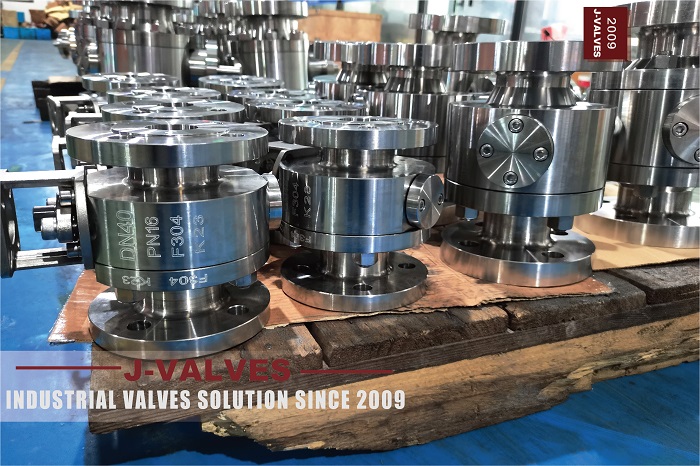
304 stainless steel
316 stainless steel
316L stainless steel
Stainless steel DBB ball valves are suitable for:
Chemical processing
Food and pharmaceutical systems
Marine environments
Corrosive fluid applications
2. Advantages of Stainless Steel Material
The main benefits include:
Excellent corrosion resistance
Good surface quality
Strong resistance to chemical media
Reliable long-term performance
For applications involving corrosive fluids or harsh environments, stainless steel provides improved durability compared with carbon steel.
Duplex Steel DBB Ball Valve
1. High Performance in Corrosive Environments
Duplex stainless steel combines the advantages of austenitic and ferritic stainless steel structures.
Common duplex materials include:
Duplex 2205
Super Duplex 2507
These materials are widely used in:
Offshore platforms
Seawater systems
Chemical plants
High-corrosion environments
2. Advantages of Duplex Steel Material
Duplex steel provides:
Excellent chloride corrosion resistance
High mechanical strength
Superior resistance to stress corrosion cracking
Long service life in marine environments
For offshore and seawater applications, duplex steel DBB ball valves offer outstanding reliability.
Alloy Steel DBB Ball Valve
1. Designed for High Temperature and High Pressure Applications
Alloy steel is selected for demanding operating conditions where standard carbon steel may not provide sufficient performance.
Typical applications include:
Power generation systems
High-temperature pipelines
Refinery equipment
Severe service applications
2. Advantages of Alloy Steel Material
Alloy steel provides:
Improved temperature resistance
Higher mechanical performance
Better wear resistance
Enhanced durability
This makes alloy steel DBB ball valves suitable for applications involving extreme operating conditions.
How to Select the Right DBB Ball Valve Material
When selecting a DBB ball valve body material, engineers should consider several important factors:
1. Operating Medium
The fluid characteristics directly affect material selection.
Consider:
Corrosiveness
Chemical composition
Presence of particles
Moisture content
For seawater and chloride environments, duplex steel or stainless steel is often preferred.
2. Pressure and Temperature Requirements
High-pressure and high-temperature applications require materials with sufficient strength and stability.
Examples:
Carbon steel for general pressure systems
Alloy steel for high-temperature service
Duplex steel for demanding environments
3. Installation Environment
The surrounding environment also influences material choice.
For example:
Onshore pipelines may use carbon steel
Offshore platforms often require duplex or stainless steel
Chemical plants may require corrosion-resistant alloys
Applications of Different DBB Ball Valve Materials
Oil & Gas Industry
DBB ball valves are widely used in:
Pipeline isolation
Metering stations
Compressor systems
Processing facilities
Material selection depends on pressure rating, media characteristics, and environmental conditions.
LNG Industry
LNG applications require reliable materials that can withstand low temperatures.
Suitable options include:
Stainless steel
Low-temperature carbon steel
Special alloy materials
Offshore and Marine Systems
Offshore environments require excellent corrosion resistance.
Duplex steel and stainless steel DBB ball valves are commonly selected because of their resistance to seawater and chloride corrosion.
J-VALVES Advantages in DBB Ball Valve Material Selection
1. Professional Material Selection Experience
J-VALVES understands that different applications require different material solutions.
Based on operating conditions, J-VALVES provides:
Carbon steel DBB ball valves
Stainless steel DBB ball valves
Duplex steel DBB ball valves
Alloy steel DBB ball valves
Engineers evaluate pressure, temperature, corrosion conditions, and service requirements to recommend suitable materials.
2. Strict Material Quality Control
Material reliability is essential for valve performance.
J-VALVES applies strict quality procedures, including:
Raw material inspection
Chemical composition verification
Mechanical property testing
Manufacturing process control
This ensures each valve meets industrial performance requirements.
3. Customized DBB Ball Valve Solutions
J-VALVES provides customized DBB ball valve solutions including:
Different pressure classes
Various body materials
Soft seat and metal seat designs
Manual or actuator operation
Fire-safe configurations
Products can be manufactured according to international standards:
API 6D
ASME B16.34
ISO 17292
Conclusion
The selection of DBB ball valve body material directly affects valve reliability, safety, and service life. Carbon steel provides an economical solution for general applications, stainless steel offers excellent corrosion resistance, duplex steel delivers superior performance in harsh environments, and alloy steel provides strength for high-temperature and high-pressure systems.
A proper DBB Ball Valve Material Selection strategy ensures better performance and reduced maintenance throughout the valve lifecycle.
With professional engineering experience, advanced manufacturing technology, and strict quality management, J-VALVES delivers reliable DBB Ball Valve solutions for oil & gas, LNG, offshore, petrochemical, and industrial pipeline applications worldwide.