

I. Understanding DBB Ball Valves
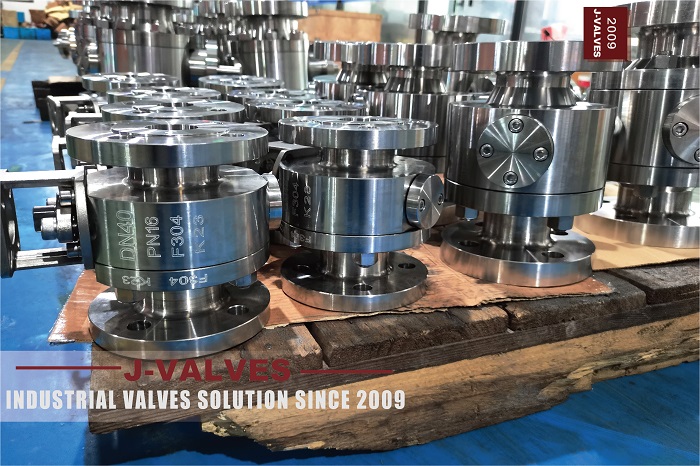
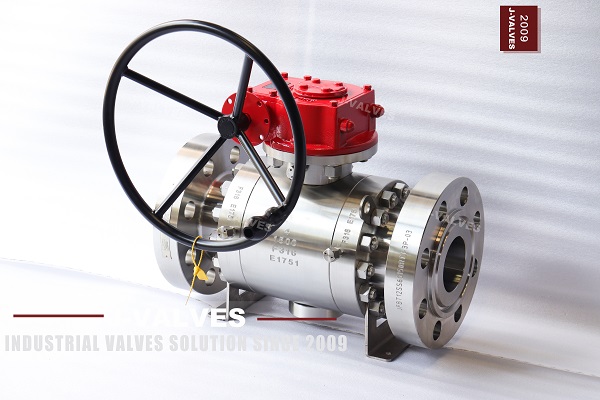
DBB ball valves are designed to provide two independent seals (double block) and a bleed function to vent trapped pressure between the seals. This design ensures that the valve can safely isolate sections of the pipeline, preventing cross-contamination and facilitating maintenance. DBB valves are particularly useful in water treatment systems where multiple stages of treatment and isolation are required.
II. Key Considerations for Material Selection
Selecting the right material for DBB ball valves involves evaluating several factors related to the specific operating conditions and requirements of the water treatment system.
Fluid Compatibility
The material must be compatible with the type of water being treated, which may include:
• Raw Water: Typically contains impurities, minerals, and microorganisms.
• Treated Water: May have specific chemical additives, such as chlorine or fluoride.
• Wastewater: Contains a variety of contaminants and may be highly corrosive.
Corrosion Resistance
Water treatment systems often involve corrosive environments, especially in wastewater treatment. Materials must resist corrosion from:
• Chemical Additives: Such as chlorine, which is commonly used for disinfection.
• Microbial Growth: Biofilms and other microbial activity can cause localized corrosion.
• pH Levels: Water with high or low pH levels can be corrosive to certain materials.
Temperature and Pressure
The operating temperature and pressure of the water treatment system must be considered:
• Temperature Range: Water treatment systems typically operate at ambient temperatures, but some processes may involve higher temperatures.
• Pressure Requirements: The material must withstand the maximum operating pressure without deformation or failure.
Regulatory Compliance
Materials used in water treatment systems must comply with relevant regulations and standards to ensure safety and environmental protection:
• NSF/ANSI Standards: Materials must meet NSF/ANSI standards for potable water applications.
• Local Regulations: Compliance with local water treatment regulations and guidelines.
III. Common Materials for DBB Ball Valves in Water Treatment
Stainless Steel
Stainless steel is a popular choice for DBB ball valves in water treatment systems due to its excellent corrosion resistance and durability.
• 304 Stainless Steel: Suitable for general water treatment applications with moderate corrosion resistance.
• 316 Stainless Steel: Contains molybdenum, providing superior corrosion resistance, especially in chlorinated water.
• 316L Stainless Steel: A low-carbon version of 316, suitable for high-temperature applications and environments where welding is required.
Applications: Ideal for treated water, raw water, and some wastewater applications.
Ductile Iron
Ductile iron offers a balance of strength and corrosion resistance, making it suitable for water treatment systems where cost is a consideration.
• Corrosion Resistance: Enhanced with protective coatings such as epoxy or polyurethane.
• Strength: High tensile strength and ductility, suitable for high-pressure applications.
Applications: Suitable for raw water and treated water systems, particularly in municipal water treatment plants.
Bronze
Bronze is known for its excellent corrosion resistance and low coefficient of friction, making it suitable for water treatment applications.
• Corrosion Resistance: Good resistance to freshwater and seawater.
• Wear Resistance: Low friction properties reduce wear and tear during operation.
Applications: Ideal for low- to moderate-pressure applications involving treated water.
Composite Materials
Composite materials, such as fiberglass-reinforced plastic (FRP), offer a combination of strength, corrosion resistance, and light weight.
• Corrosion Resistance: Excellent resistance to a wide range of chemicals and environmental conditions.
• Strength: High tensile strength and impact resistance.
Applications: Suitable for wastewater treatment and chemical handling applications.
IV. Seating and Sealing Materials
In addition to the main valve body materials, the choice of seating and sealing materials is crucial for ensuring reliable performance and tight sealing.
• PTFE (Polytetrafluoroethylene): Provides excellent chemical resistance and low friction, suitable for a wide range of water treatment applications.
• EPDM (Ethylene Propylene Diene Monomer): Good resistance to water and steam, suitable for low- to moderate-temperature applications.
• NBR (Nitrile Butadiene Rubber): Offers good resistance to oils and some chemicals, suitable for applications involving treated water.