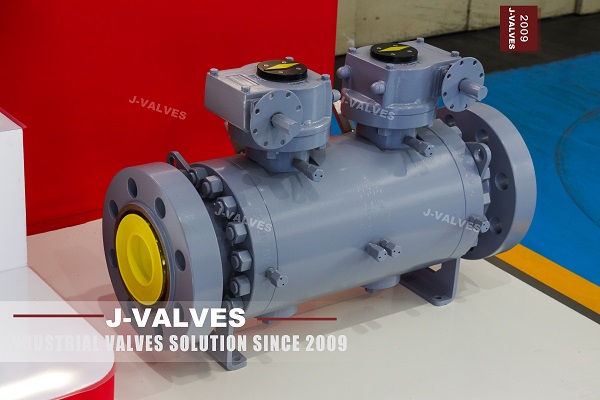
Reliable Isolation Solutions for Harsh Offshore Environments
Offshore oil and gas platforms operate under some of the most demanding conditions in the energy industry. Equipment installed in these environments must withstand continuous exposure to saltwater corrosion, high pressure, temperature variations, and strict safety requirements. Among critical flow control equipment, the Offshore DBB Ball Valve (Double Block and Bleed Ball Valve) plays an essential role in ensuring safe isolation, maintenance reliability, and operational efficiency.
Designed with double block and bleed functionality, DBB ball valves provide two independent sealing barriers with a bleed system between them, allowing operators to verify isolation integrity before maintenance or equipment intervention. This design has become a preferred solution for offshore production platforms, FPSO systems, subsea applications, and oil and gas processing facilities.
Corrosion Resistance Requirements in Offshore Applications
The offshore environment creates significant challenges for valve materials due to constant exposure to seawater, humidity, and corrosive gases such as hydrogen sulfide (H₂S). Traditional valve materials may experience accelerated degradation without proper material selection and surface protection.
A high-performance Offshore DBB Ball Valve typically requires:
Corrosion-resistant body materials such as stainless steel, duplex stainless steel, and nickel aluminum bronze
Advanced surface treatments to improve resistance against marine environments
Reliable sealing materials compatible with hydrocarbons and chemical media
Protection against stress corrosion cracking and erosion
J-VALVES understands the challenges of offshore applications and provides DBB ball valves with optimized material selection based on project requirements. Through strict control of casting, forging, machining, and surface treatment processes, J-VALVES ensures long-term corrosion resistance and stable operation in aggressive offshore conditions.
High Safety Isolation Performance with DBB Design
Safety is a primary concern in offshore oil and gas facilities. During maintenance operations, operators must ensure that hazardous fluids are completely isolated before opening equipment or performing repairs.
The double block and bleed design provides:
Two independent sealing points for enhanced isolation reliability
A cavity pressure relief function to prevent abnormal pressure buildup
A bleed port for leak detection and pressure verification
Reduced risk during maintenance and inspection procedures
Compared with conventional single isolation valves, DBB ball valves provide a higher level of operational safety, especially in critical systems such as:
J-VALVES DBB ball valves are engineered according to international standards, including API 6D and ASME requirements, ensuring dependable sealing performance for demanding offshore projects.
Application in Emergency Shutdown Systems
Emergency shutdown systems (ESD) are vital safety components on offshore platforms. When abnormal conditions occur, valves must respond quickly and reliably to isolate process fluids and minimize potential risks.
DBB ball valves are widely used in ESD applications because of their:
Fast quarter-turn operation
Reliable shut-off performance
Compatibility with pneumatic, hydraulic, and electric actuators
Low operating torque design
Long service life under frequent operation conditions
J-VALVES works closely with customers to provide complete valve solutions, including valve body design, actuator selection, fire-safe design, and customized configurations for offshore safety systems.
Long-Term Operation and Maintenance Advantages
Offshore platforms are designed for continuous operation over many years, and valve reliability directly affects production efficiency and maintenance costs. A properly designed DBB ball valve can significantly reduce downtime and improve system availability.
Key advantages include:
1. Reduced Maintenance Requirements
High-quality sealing systems, precision machining, and durable materials help minimize leakage and wear during long-term operation.
2. Improved System Reliability
The integrated double block and bleed structure reduces the need for additional isolation equipment, simplifying piping layouts and improving system safety.
3. Enhanced Operational Efficiency
Compact design and easy maintenance features allow offshore operators to perform inspection and servicing more efficiently.
J-VALVES focuses on manufacturing reliability through advanced CNC machining, strict dimensional control, pressure testing, and complete quality inspection procedures to support long-life offshore applications.
J-VALVES Advantages in Offshore DBB Ball Valve Manufacturing
As a professional industrial valve manufacturer, J-VALVES provides customized DBB ball valve solutions for offshore oil and gas industries.
The company advantages include:
Engineering expertise: Professional experience in designing DBB ball valves for oil, gas, LNG, and offshore applications.
Material flexibility: Capability to supply valves manufactured from carbon steel, stainless steel, duplex stainless steel, and corrosion-resistant alloys.
International standard compliance: Products designed according to API 6D, ASME, ISO, and industry specifications.
Strict quality control: Each valve undergoes pressure testing, sealing inspection, and functional testing before delivery.
Customized solutions: Supports special requirements including low temperature service, fire-safe design, anti-corrosion coating, and actuator integration.
Through continuous improvement in manufacturing technology and quality management, J-VALVES helps global customers achieve safer and more reliable offshore fluid control systems.
Conclusion
The Offshore DBB Ball Valve is a critical component for modern offshore oil and gas platforms, providing reliable isolation, enhanced safety, and long-term operational performance in harsh marine environments. With its double block and bleed design, corrosion-resistant materials, and dependable sealing technology, it supports critical applications including emergency shutdown systems, pipeline isolation, and process maintenance.
With strong engineering capabilities, strict quality standards, and extensive valve manufacturing experience, J-VALVES delivers high-performance DBB ball valve solutions designed to meet the demanding requirements of offshore energy projects worldwide.



