

I.Why Do Cryogenic Applications Need a Special Ball Valve?
In LNG, liquid nitrogen, liquid oxygen, and other cryogenic systems, standard valves often struggle to perform reliably. Extremely low temperatures can cause metal shrinkage, seal hardening, torque increase, and even leakage or valve sticking. That is why cryogenic service requires a valve specifically engineered for low-temperature conditions.
A cryogenic trunnion ball valve is designed to solve these challenges. It offers stable sealing, smooth operation, and strong structural support under severe cold conditions, making it an essential choice for critical cryogenic systems.
II.What Is a Cryogenic Trunnion Ball Valve?
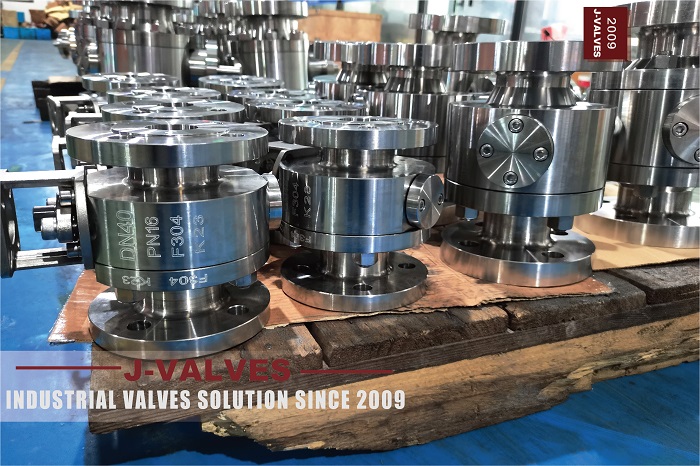
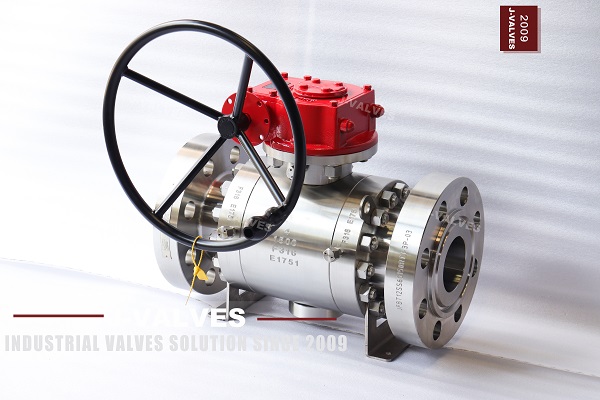
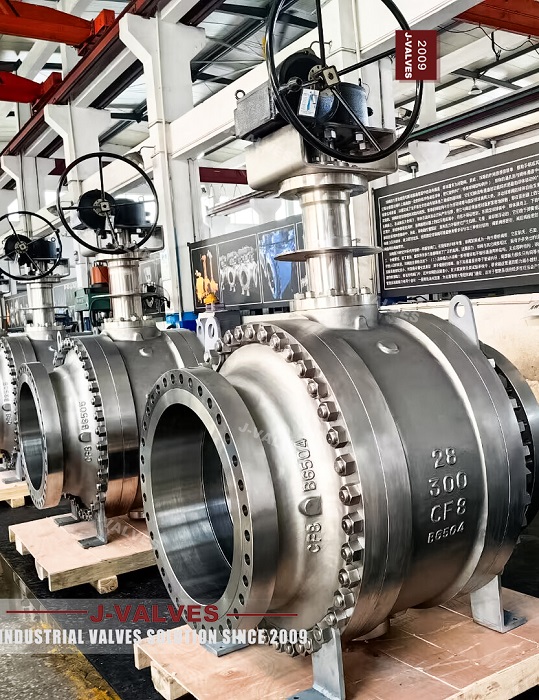
A cryogenic trunnion ball valve is an industrial valve built for low-temperature and ultra-low-temperature service. Its trunnion-mounted ball is supported by upper and lower stems, which improves stability in high-pressure, large-diameter, and cryogenic applications.
Compared with a floating ball valve, a trunnion-mounted design provides better performance in larger sizes and higher-pressure systems. When combined with an extended bonnet, special sealing materials, and cryogenic testing, it becomes a highly reliable solution for LNG and other cold-service applications.
III.Key Advantages of Cryogenic Trunnion Ball Valves
1. Reliable Sealing at Low Temperatures
Sealing integrity is one of the most important requirements in cryogenic service. Cryogenic trunnion ball valves are typically designed with advanced seat materials and precision sealing structures to maintain tight shutoff even when temperatures drop dramatically.
2. Lower Operating Torque
The trunnion-mounted ball reduces friction between the ball and seats, allowing smoother operation and lower torque. This is especially beneficial for actuated systems, as it reduces actuator load and improves overall reliability.
3. Suitable for Large-Diameter and High-Pressure Service
Cryogenic systems in LNG plants often require large valves for major pipeline lines and process control. Trunnion ball valves are structurally stronger and better suited for these demanding conditions.
4. Improved Safety for Critical Media
In LNG and other flammable cryogenic services, safety is a top priority. A well-designed cryogenic trunnion ball valve helps reduce leakage risk, supports stable operation, and contributes to safer plant performance.
5. Long Service Life and Lower Maintenance
High-quality materials, precise machining, and cryogenic design features help the valve withstand repeated thermal cycling and long-term cold service. This leads to reduced wear, fewer shutdowns, and lower maintenance costs.
IV.Typical LNG Industry Applications
Cryogenic trunnion ball valves are widely used across the LNG value chain, including:
LNG receiving terminals
LNG storage tank systems
Cryogenic pipelines
Regasification stations
LNG marine systems
Natural gas processing and distribution
These applications demand excellent reliability, fast response, and long-term performance under extreme cold. Cryogenic trunnion ball valves are well suited to meet these requirements.
V.Common Design Features for Cryogenic Service
To perform reliably in cryogenic environments, these valves often include:
Extended bonnet design to protect packing from extreme cold
Blowout-proof stem for improved safety
Cryogenic-compatible seat materials for stable sealing
Deep cryogenic treatment to improve material stability
Optional double block and bleed (DBB) for isolation and maintenance safety
These features work together to ensure dependable operation in ultra-low-temperature conditions.
VI.How to Choose the Right Cryogenic Trunnion Ball Valve
When selecting a valve for cryogenic service, consider the following:
Media temperature range
Pressure class
Valve size
Body material
Seat design
Connection type
Actuator requirements
Need for fire-safe or DBB functions
For LNG projects, proper valve selection has a direct impact on system reliability, safety, and lifecycle cost.
Why Cryogenic Trunnion Ball Valves Are Ideal for LNG Projects
LNG systems place extreme demands on valves. They must handle low temperatures, thermal cycling, pressure changes, and continuous operation. Cryogenic trunnion ball valves provide the stability, sealing performance, and durability needed in these environments.
For operators looking to improve plant safety, reduce downtime, and optimize long-term performance, this valve type is a strong and practical solution.
VII.Conclusion
Cryogenic trunnion ball valves are critical components in low-temperature fluid control, especially in LNG and other ultra-cold applications. With their stable sealing, low torque, long service life, and high safety performance, they help industrial systems run more reliably and efficiently.
For LNG storage, cryogenic pipelines, or ultra-low-temperature media control, selecting the right cryogenic trunnion ball valve is a key step toward safe and stable operation.