


English Version
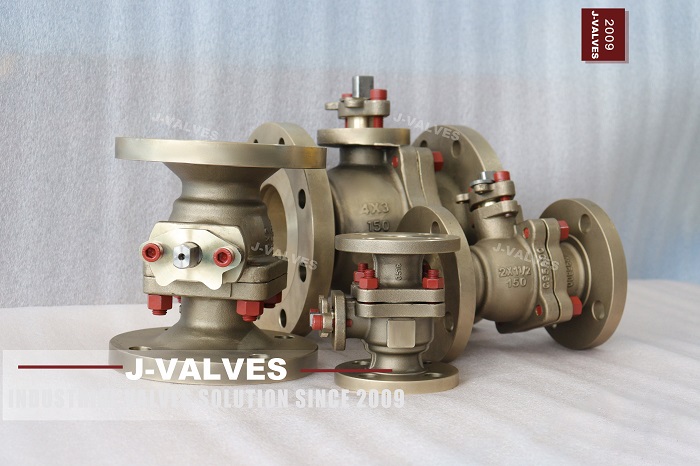
In marine, desalination, offshore, and chemical processing industries, material selection determines valve longevity and system reliability. The C95800 Floating Ball Valve, manufactured with high-strength aluminum bronze, offers exceptional corrosion resistance and mechanical performance under demanding service conditions.
For engineering contractors and procurement managers seeking long-term value rather than short-term savings, C95800 aluminum bronze is becoming a preferred choice.
What Is C95800 Aluminum Bronze?
C95800 is a cast aluminum bronze alloy containing copper, aluminum, iron, and nickel. This composition provides:
Excellent resistance to seawater corrosion
Strong anti-dezincification performance
High tensile strength and hardness
Good wear and galling resistance
Compared with conventional brass or standard bronze valves, C95800 demonstrates superior durability in chloride-rich and high-humidity environments.
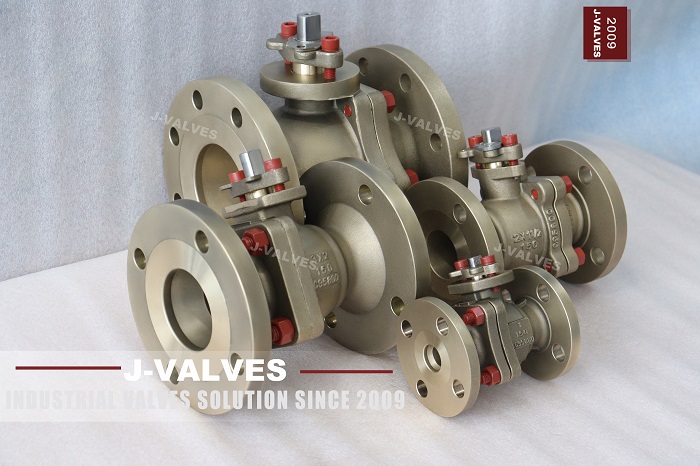
Key Benefits of C95800 Floating Ball Valves
1. Outstanding Corrosion Resistance
C95800 performs exceptionally well in:
Seawater systems
Brine and saline environments
Offshore platforms
Wastewater treatment plants
Its aluminum-rich protective oxide layer helps prevent pitting, crevice corrosion, and surface degradation.
2. High Mechanical Strength
Aluminum bronze offers higher strength than standard bronze alloys, making it suitable for:
Medium to high-pressure systems
Large-diameter pipelines
Applications with mechanical vibration
This ensures structural integrity even in challenging operating conditions.
3. Excellent Wear Resistance
The hardness of C95800 improves:
Ball-to-seat sealing durability
Stem performance under frequent operation
Long service life in abrasive media
This reduces maintenance frequency and total cost of ownership.
4. Anti-Galling & Anti-Seizing Performance
Compared to stainless steel combinations, aluminum bronze components reduce the risk of galling, especially in marine or salt-exposed installations.
Typical Technical Specifications
Feature | C95800 Floating Ball Valve |
Body Material | ASTM B148 C95800 |
Design Type | Floating Ball |
Pressure Rating | 150LB ~ 300LB (customizable) |
Size Range | 1/2" ~ 12" |
Connection | Flanged / Threaded |
Working Temperature | -20°C to 200°C (depending on seat material) |
Applicable Media | Seawater, oil, gas, mild chemicals |
(Custom configurations are available according to project requirements.)
Floating Ball Design Advantages
The floating ball structure allows upstream pressure to push the ball tightly against the downstream seat, ensuring:
Reliable shut-off
Bubble-tight sealing
Compact and cost-efficient design
For small to medium diameter pipelines, floating ball valves provide an excellent balance between performance and investment.
Why Choose a Professional Manufacturer?
A high-quality C95800 floating ball valve is not only about material. It also depends on:
Precision machining
Strict pressure testing
Surface treatment control
Quality seat material selection
Choosing an experienced manufacturer ensures consistent quality, faster delivery cycles, and technical support throughout the project lifecycle.
Application Industries
C95800 floating ball valves are widely used in:
Marine engineering
Shipbuilding
Desalination plants
Offshore oil & gas
Coastal industrial facilities
Their corrosion resistance makes them particularly suitable for long-term outdoor or high-humidity installations.
Conclusion
If your project operates in corrosive or marine environments, the C95800 Floating Ball Valve provides a reliable and durable solution. With superior corrosion resistance, high mechanical strength, and stable sealing performance, it helps reduce downtime and long-term maintenance costs.
For engineers and global buyers seeking dependable bronze alloy valve solutions, choosing C95800 is a strategic investment in system safety and durability.


