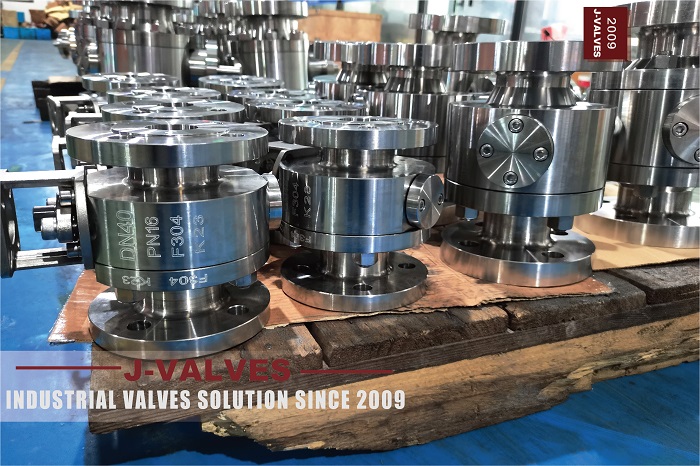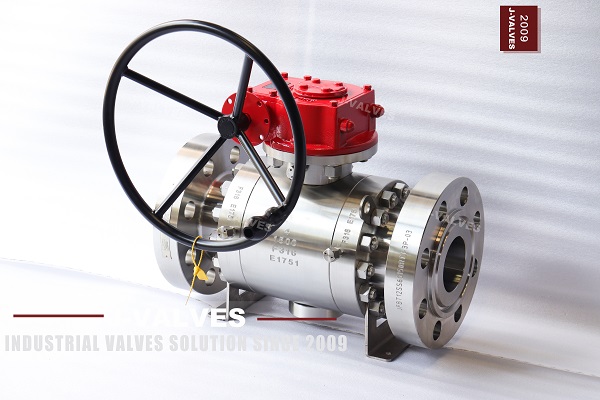


Trunnion mounted ball valves are essential components in modern industrial systems, offering precise flow control and reliable sealing in a variety of applications. These valves are particularly suited for high-pressure and high-temperature environments, making them ideal for industries such as oil and gas, chemical processing, and power generation.
What is a Trunnion Mounted Ball Valve?
A trunnion mounted ball valve is a type of ball valve where the ball is supported by trunnions at both the top and bottom. The trunnions act as supports that stabilize the ball during operation, allowing it to remain fixed and reducing the load on the valve seat. This design helps maintain the valve's integrity under high pressures and large flow conditions, ensuring reliable performance.
Unlike floating ball valves, which rely on pressure to push the ball against the seat, trunnion mounted ball valves are fixed in place, which makes them more durable and capable of handling higher pressures and larger pipe sizes. The ball inside the valve has a hole through its center, and when the valve is open, the hole aligns with the flow path, allowing fluid to pass. When the valve is closed, the ball rotates to block the flow.
How Does a Trunnion Mounted Ball Valve Work?
Trunnion mounted ball valves work on a straightforward yet efficient mechanism. Here's a breakdown of how they function:
Ball Rotation: The ball inside the valve is connected to the trunnions, which hold the ball in place and prevent it from floating. The ball is rotated by an actuator, either manually or automatically, to control the fluid flow.
Opening and Closing: When the valve is in the open position, the bore of the ball is aligned with the flow path, allowing fluid to pass through. When the valve is closed, the ball rotates 90 degrees to block the flow, stopping the fluid from passing.
Pressure and Flow Control: The trunnion design ensures that the ball remains stationary and does not shift under the force of the fluid pressure, providing better control and sealing under high-pressure conditions.
Sealing Mechanism: The seats are located on either side of the ball, and the trunnion mounted design reduces wear on these seats because the ball remains in a fixed position. This improves the longevity and sealing efficiency of the valve.
Key Design Features of Trunnion Mounted Ball Valves
Trunnion Support: The primary feature of these valves is the trunnion support system. This allows the ball to be securely held in place at both the top and bottom, preventing it from shifting and reducing the load on the seats. This design is ideal for large valves and applications where high pressure and large flow rates are common.
Reduced Torque: Since the ball is fixed by the trunnions, the valve requires less torque to operate. This is especially beneficial for large valves, where traditional floating ball valves would require more torque to open and close.
Superior Sealing: The ball in trunnion mounted ball valves is designed to maintain a tight seal, even under high pressure and flow conditions. The fixed ball design ensures consistent sealing, which improves the valve's performance and minimizes leakage.
Large Valve Sizes: Trunnion mounted ball valves are often used in larger sizes compared to floating ball valves. They are suitable for large-diameter pipes and can handle higher flow rates, making them ideal for industrial applications.
Longer Lifespan: The fixed ball design reduces wear and tear, as the ball does not shift under pressure. This results in a longer lifespan for the valve and a reduced need for maintenance or replacement.
Advantages of Trunnion Mounted Ball Valves
High-Pressure Handling: Trunnion mounted ball valves are designed to handle high-pressure applications, making them ideal for use in the oil and gas, petrochemical, and power generation industries. The trunnion design ensures the ball stays in place, maintaining a tight seal even at extreme pressures.
Reduced Wear and Tear: The trunnion support system reduces the stress on the valve seats and ball, resulting in less wear over time. This leads to a longer service life and lower maintenance costs, which is crucial for industries where downtime is expensive.
Precision Flow Control: These valves offer precise control over the flow of fluids, especially in large systems where accurate regulation is critical. The trunnion mounted ball valve can be used in both on/off and flow regulation applications.
Less Operating Torque: The trunnion design reduces the amount of torque required to operate the valve, which can be beneficial for larger valves or those in remote locations. This means that actuators can be smaller and more cost-effective, further reducing system costs.
Minimal Leakage: The fixed ball design ensures that the valve seals more effectively compared to floating ball valves, which can leak more easily under high-pressure conditions. Trunnion mounted ball valves offer excellent sealing capabilities, making them ideal for high-pressure and hazardous fluid systems.
Applications of Trunnion Mounted Ball Valves
Oil and Gas: Trunnion mounted ball valves are commonly used in the oil and gas industry for controlling the flow of oil, gas, and other fluids in upstream, midstream, and downstream operations. Their ability to withstand high pressures and large flow rates makes them suitable for pipeline transportation and offshore platforms.
Chemical and Petrochemical: These valves are used to control the flow of corrosive chemicals and petrochemical products. Their durability and resistance to aggressive fluids make them ideal for use in chemical processing plants, refineries, and petrochemical facilities.
Power Generation: In power plants, trunnion mounted ball valves are used to control steam, water, and other fluids in boilers, cooling systems, and turbine systems. Their high-pressure handling capabilities are crucial in maintaining safe and efficient operations.
Water and Wastewater Treatment: Trunnion mounted ball valves are also used in water treatment and wastewater management systems, where large volumes of water need to be controlled. Their precision and durability make them ideal for managing large-scale fluid systems in water treatment plants.
Mining: These valves are used in mining applications for controlling slurry, water, and other fluids in the mining process. Their ability to handle abrasive materials and high-pressure systems makes them essential in mining operations.
How to Choose the Right Trunnion Mounted Ball Valve
When selecting a trunnion mounted ball valve, consider the following factors:
Pressure and Temperature Rating: Ensure that the valve is rated for the pressure and temperature conditions of your system. Trunnion mounted ball valves are designed to handle high pressures, but the exact rating will depend on the materials and design.
Size and Flow Requirements: Choose the valve size that corresponds to your system's flow rate and pipe diameter. Trunnion mounted ball valves are available in a range of sizes, from small to large, to accommodate different pipe dimensions.
Material Compatibility: Select the right materials for the valve based on the type of fluid being controlled. Stainless steel, alloy steel, and other corrosion-resistant materials are commonly used in trunnion mounted ball valves to handle aggressive fluids.
Actuation: Decide whether you need a manual or automated valve. Automated trunnion mounted ball valves can be operated remotely using pneumatic, electric, or hydraulic actuators, making them ideal for applications where manual operation is impractical.
Conclusion
Trunnion mounted ball valves are essential for applications requiring precise flow control, high pressure, and durability. Their robust design, reduced operating torque, and superior sealing make them ideal for industries such as oil and gas, chemical processing, power generation, and water treatment. By understanding the design features, advantages, and applications of trunnion mounted ball valves, industries can make informed decisions to enhance their fluid control systems, ensuring safe and efficient operations.