


Stainless steel ball valves can be closed with only a 90-degree rotation and a small torque. The completely equal body cavity provides the medium with little resistance, through the flow channel. Stainless steel ball valves are mainly characterized by their compact structure, and ease of operation and maintenance, stainless steel ball valves can be used to control the flow of air, water, steam, all kinds of corrosive media, mud, oil, liquid metal, and radioactive media and other types of fluids. Stainless steel ball valves can be monolithic or modular. Next, I will tell you about the maintenance of stainless steel ball valves.
Here is the content list:
Stainless steel ball valves have a long maintenance-free period to rely on factors.
Replace the specific content of the seat and seal.
Stainless steel ball valves have a long maintenance-free period to rely on factors.
Stainless steel ball valves, with their long service life and maintenance-free period, will rely on normal working conditions, maintaining a harmonious temperature/pressure ratio, and reasonable corrosion data. Note that when the stainless steel ball valves are closed, there is still pressure fluid in the valve body. Release line pressure and leave the valve in the open position before maintenance; Disconnect the power or air source; Detach the actuator from the support. First of all, the filler should be locked again. If there is micro-leakage in the packing culvert, lock the stem nut again. Be careful not to lock too tightly, usually another 1/4 circle to 1 circle, leakage will stop. The second is to replace the seat and seal.
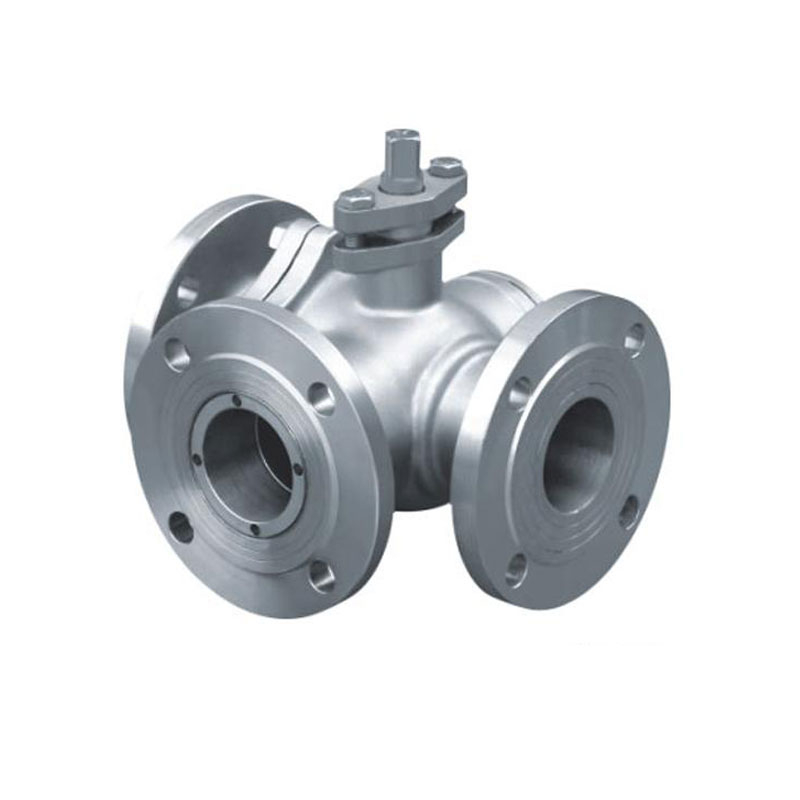
Replace the specific content of the seat and seal.
Disassemble
First, make the stainless steel ball valves in a half-open position, wash, and remove the possible hazardous substances inside and outside the valve body. Second, close the stainless steel ball valves, remove the connection bolts and nuts from both flanges, and remove the valves completely from the line. Third, disassemble the driving device in sequence: actuator, connecting bracket, anti-loose washer, stem nut, butterfly shrapnel, glam, wear plate, and stem packing. Fourth, remove the body cover connection bolts and nuts, separate the cover from the body, and remove the cover washer. Fifth, ensure that the stainless steel ball valves are in the "off" position, which will allow easy removal from the body and subsequent removal from the seat. Sixth, push the stem down through the valve body center hole until it is completely removed, and then remove the O-ring and the packing under the stem. Seventh, exercise caution to avoid chafing the stem surface and body packing box seal.
Put together again
Clean and inspect the removed parts. It is highly recommended to replace the seals such as a seat and cover washer with spare parts package. Assemble in reverse order of disassembly. Cross-lock flange connection bolts with specified torque. Lock stem nut with specified torque. After the actuator is installed, input the corresponding signal to rotate the spool by rotating the valve stem to make the valve open and closed. Test the pressure seal and performance of the stainless steel ball valves by the relevant standards, if possible, before refitting the piping.
We are committed to bringing more and better products to our customers. This is what we are always doing. If you are interested in stainless steel ball valves or have other needs, you can contact us. Our website is https://www.ballvalvess.com/.


