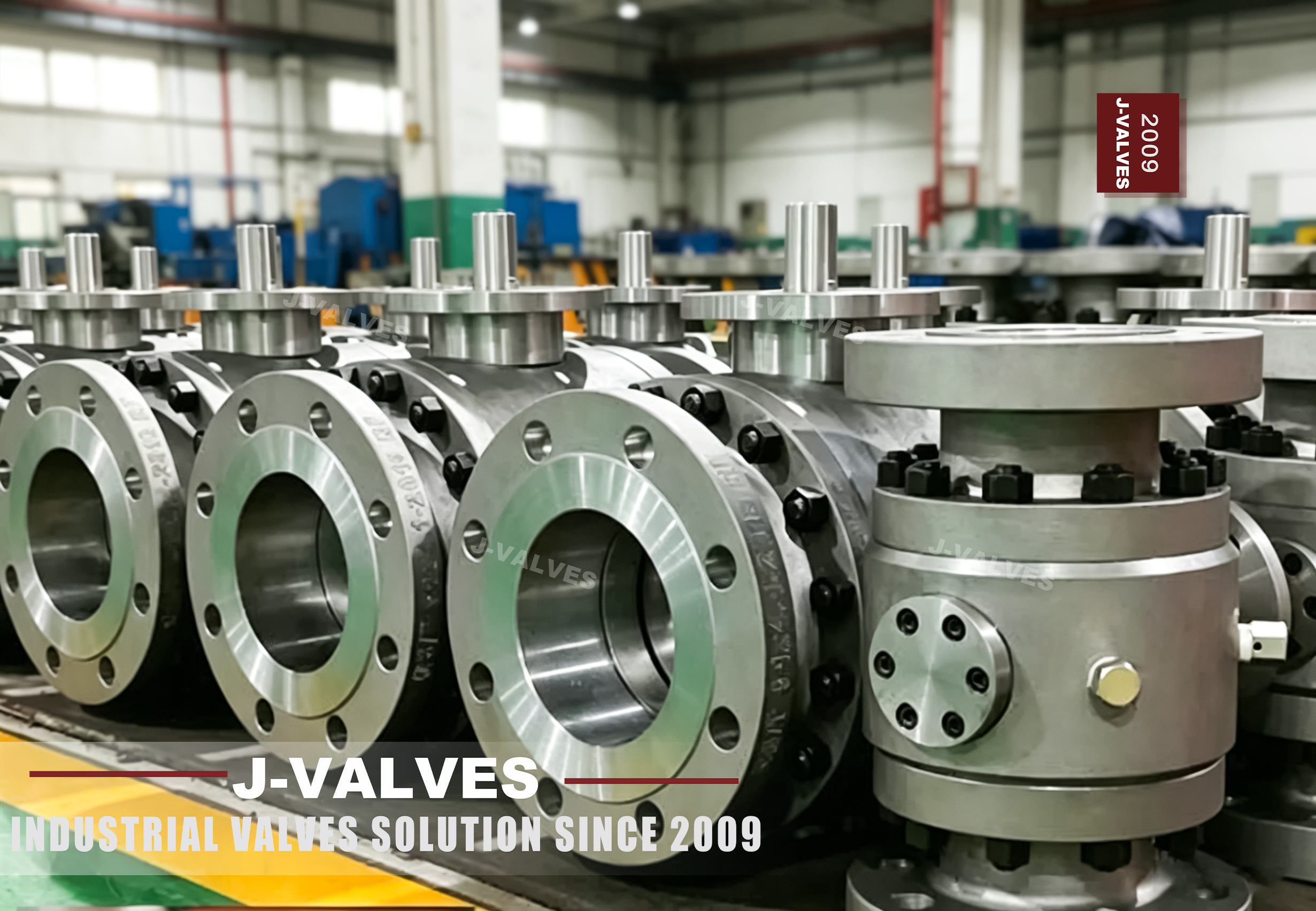
API 6D Trunnion Ball Valves have become a critical component in the oil, gas, and petrochemical industries due to their unique design, strength, and performance characteristics. As per the American Petroleum Institute (API) standards, the API 6D specification is focused on pipeline valves, including trunnion ball valves, ensuring quality, safety, and reliability in critical applications.
1. Enhanced Strength and Durability
API 6D Trunnion Ball Valves are designed with robust materials that withstand extreme operating conditions such as high pressure, temperature variations, and corrosive environments. The trunnion design, where the ball is supported by bearings at both ends, ensures greater stability and reduces the risk of wear and tear during operation. This makes them highly reliable for demanding applications in industries like oil and gas, chemical processing, and power generation.
2. Low Torque for Easier Operation
One of the standout features of API 6D Trunnion Ball Valves is their ability to operate with lower torque compared to conventional floating ball valves. The trunnion-mounted design reduces the mechanical force required to turn the valve, which enhances operator safety and reduces the chances of valve malfunction. This feature is especially beneficial for large-diameter valves that are typically used in high-flow applications.
3. Improved Sealing Performance
The sealing performance of API 6D Trunnion Ball Valvesis superior, even under high-pressure and high-temperature conditions. The trunnion ball valve's unique sealing mechanism helps prevent leaks, ensuring the integrity of the system. Moreover, with advanced seat designs such as metal-to-metal or elastomeric seals, these valves can perform reliably in extreme temperatures or hazardous materials handling.
4. Versatility Across Various Applications
API 6D Trunnion Ball Valves are suitable for a broad range of applications, from crude oil pipelines to gas transmission systems. Their versatility is enhanced by the range of materials and configurations available, allowing users to select valves that best meet their specific operational and environmental requirements. Whether used in standard or cryogenic conditions, these valves can provide optimal performance.
5. Ease of Maintenance and Replacement
Maintenance is a critical factor in the longevity of valves, and API 6D Trunnion Ball Valvesare designed to offer ease of service. The trunnion-mounted ball and seats can often be replaced without disassembling the entire valve, making the process quicker and more cost-effective. This maintenance advantage ensures that downtime is minimized, which is particularly important in industries where continuous flow is essential.
6. Compliance with International Standards
API 6D Trunnion Ball Valves are designed in accordance with the strictest industry standards. Compliance with API 6D ensures that these valves meet safety, reliability, and performance expectations, making them suitable for critical pipeline applications. The API certification also provides users with confidence that the valves will meet international regulatory requirements, making them ideal for global projects.
7. Long-Term Cost Efficiency
Although API 6D Trunnion Ball Valves may have a higher upfront cost compared to standard valves, their durability, low maintenance requirements, and long service life translate to significant cost savings over time. The reduced risk of valve failure and downtime means lower operational and maintenance costs in the long run, offering superior cost efficiency for industries relying on large-scale, critical piping systems.
8. Customizable Features
API 6D Trunnion Ball Valves can be customized to meet specific project requirements. Whether it's the size, material, seat configuration, or actuation type, these valves can be tailored to provide optimal performance for any application. This adaptability ensures that API 6D valves are always up to the task, regardless of the specific demands of the installation.
9. Safety Assurance
Safety is always a top priority in industrial valve design, and API 6D Trunnion Ball Valvesoffer several safety features. These valves are equipped with blowout-proof stems, fire-safe sealing options, and locking devices to ensure they remain secure and perform safely, even in extreme conditions. The robust design provides additional confidence, reducing the risk of hazardous fluid leaks or accidents.
Conclusion
API 6D Trunnion Ball Valves are a preferred choice for industries that require reliable, durable, and high-performance valves in demanding applications. With their enhanced strength, low torque, excellent sealing capabilities, and ease of maintenance, they provide both operational and long-term cost efficiencies. By complying with international standards and offering customization options, API 6D Trunnion Ball Valves stand out as a key component in pipeline valve systems globally. Investing in these valves ensures that industrial operations can continue safely, efficiently, and cost-effectively.