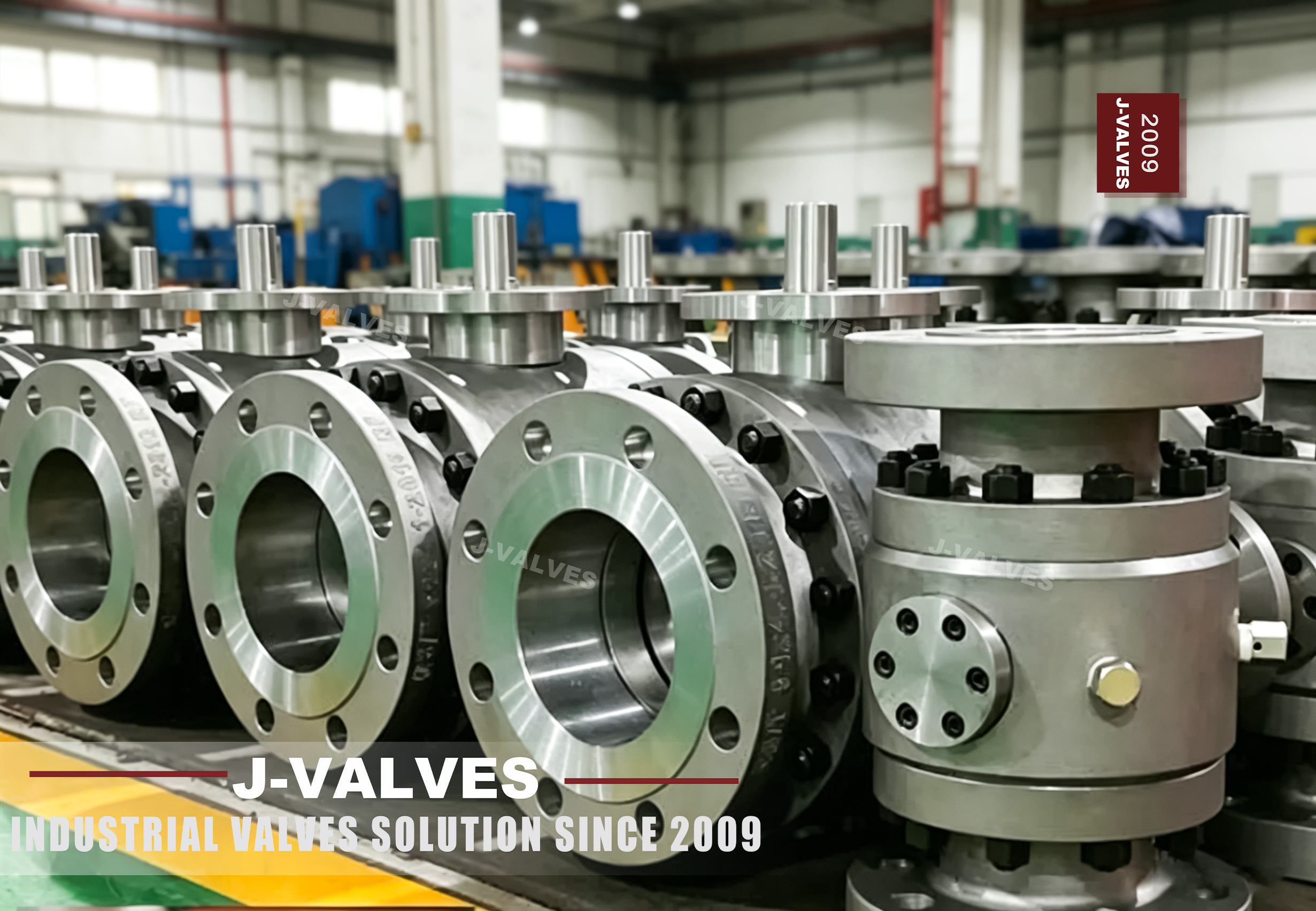
1. Understanding Three-Way Ball Valves
A three-way ball valve is a type of quarter-turn valve that uses a spherical ball with three ports to control fluid flow. The ball is mounted on a stem and rotates to align or block the ports, allowing fluid to flow through or be diverted in different directions. This design enables the valve to perform multiple functions—such as mixing, diverting, or distributing fluids—within a single unit.
2. Key Advantages of Three-Way Ball Valves
2.1. Compact and Space-Efficient Design
One of the most notable advantages of three-way ball valves is their compact structure. These valves can perform multiple functions in a single unit, reducing the need for multiple valves and complex piping arrangements. This space-saving feature is particularly beneficial in applications with limited space, such as industrial plants, laboratories, and HVAC systems.
2.2. Versatility in Fluid Control
Three-way ball valves offer unparalleled versatility in fluid control. They can handle various types of fluids, including liquids, gases, and even slurries, making them suitable for a wide range of applications. Whether used for mixing two fluids, diverting flow, or distributing fluid to multiple outlets, three-way ball valves provide precise and reliable control.
2.3. High Flow Capacity
These valves are designed to deliver high flow capacity, ensuring efficient fluid movement with minimal pressure drop. The full-port design of the ball valve allows for smooth, unobstructed flow, making it ideal for applications requiring high fluid throughput. This feature is especially valuable in industries such as oil and gas, chemical processing, and water treatment.
2.4. Quick and Reliable Operation
Three-way ball valves are quarter-turn valves, meaning they can be fully opened or closed with a 90-degree rotation of the handle or actuator. This quick operation is advantageous in applications requiring rapid control of fluid flow. The valves are also highly reliable, with minimal component wear, ensuring long-term performance.
2.5. Excellent Sealing Capability
Three-way ball valves are engineered to provide a tight seal, ensuring reliable isolation of fluid flow. The ball and seat mechanism creates a positive seal, minimizing the risk of leaks and ensuring safe, efficient operation. This feature is particularly critical in applications involving hazardous or corrosive fluids, where leaks could pose significant risks.
3. Applications of Three-Way Ball Valves
The versatility and advantages of three-way ball valves make them suitable for a wide range of applications across various industries. Common uses include:
3.1. Oil and Gas Industry
In the oil and gas industry, three-way ball valves are used for applications such as flow diversion, mixing different fluids, and controlling gas and liquid flow in pipelines. Their ability to withstand high pressure and excellent sealing performance make them ideal for harsh environments and critical operations.
3.2. Chemical Processing
Three-way ball valves are widely used in chemical processing plants for mixing and diverting corrosive chemicals. Their capacity to handle diverse fluids and provide reliable sealing ensures safe and efficient operation in these demanding environments.
3.3. Water Treatment and Distribution
In water treatment and distribution systems, three-way ball valves are used for mixing and diverting water flow. They are ideal for applications such as water filtration, distribution networks, and wastewater treatment plants, where precise control of water flow is essential.
3.4. Laboratory and Pharmaceutical Applications
Three-way ball valves are also used in laboratory and pharmaceutical settings for precise control of fluid flow. Their ability to handle small fluid volumes and provide reliable sealing ensures accurate and safe operation in these sensitive environments.
4. Choosing the Right Three-Way Ball Valve
When selecting a three-way ball valve for a specific application, several factors should be considered to ensure optimal performance and longevity:
4.1. Fluid Type
The type of fluid being handled is a critical consideration. Three-way ball valves are available in materials such as stainless steel, brass, and plastic, each with varying corrosion resistance. For corrosive fluids, materials like stainless steel or specialized alloys are recommended, while brass or plastic may be suitable for non-corrosive fluids.
4.2. Pressure and Temperature Ratings
The valves pressure and temperature ratings must match the operating conditions of the fluid system. Three-way ball valves are available with a wide range of pressure and temperature ratings to suit different applications. For high-pressure and high-temperature environments, materials such as stainless steel and high-performance alloys are preferred.
4.3. Valve Size
The valve size should be selected based on the systems flow requirements. Three-way ball valves come in various sizes to accommodate different flow capacities. The chosen size should ensure efficient fluid flow without excessive pressure drop.
4.4. Actuation Method
Three-way ball valves can be operated manually via a handle or lever, or automated using electric, pneumatic, or hydraulic actuators. The choice of actuation depends on the application’s specific needs: manual operation may suffice for low-frequency adjustments, while automated actuators are preferred for applications requiring precise, frequent control.