

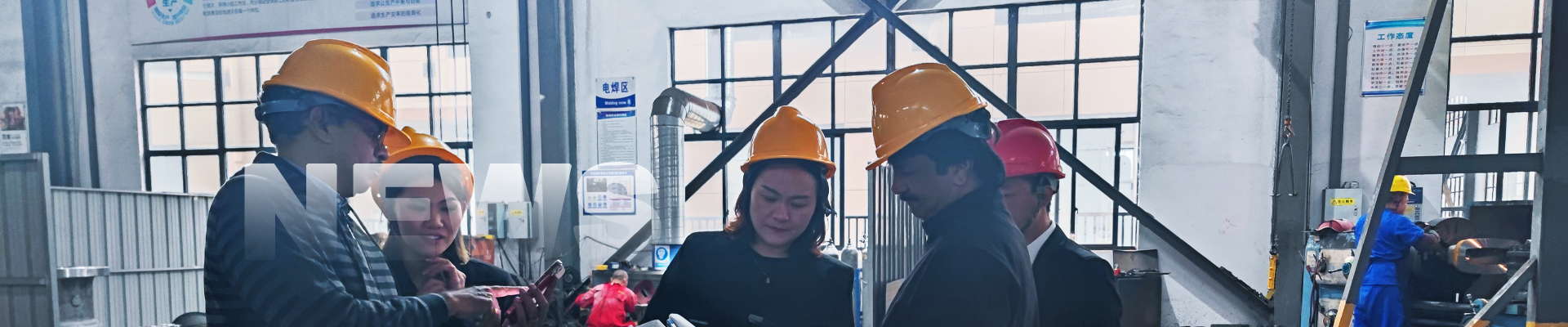
Ball Valve News & Technical Insights from J-VALVES

Metal Seated Ball Valve: Clearance, Thermal Growth And Leakage Class
Metal-seated ball valves seal on hardfaced contact, not polymer: how clearance, differential growth and seat spring load set the leakage class.
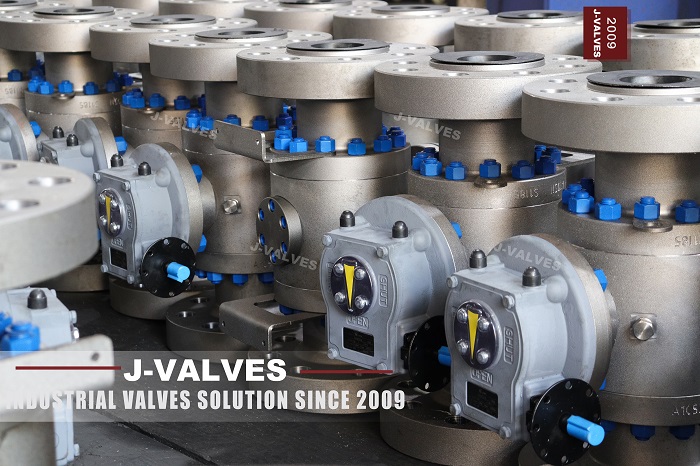
Trunnion Mounted Ball Valves: Spring-Loaded Seats, Low Torque And Double Block Design
Trunnion ball valves hold the ball on bearings so pressure never loads the seats. Compare spring seats, low torque, DBB and body styles for large lines.

Ball Valve End Connections: Flanged, Butt Weld, Socket Weld And Threaded
Flanged, butt weld, socket weld or threaded ends change installation, leak risk and cost. Compare ball valve end connections and how to choose.

Cryogenic Ball Valve Design: Bonnet Length, Materials and Cold Testing
Cryogenic ball valve design for LNG: extended bonnet length, CF8M impact testing, PCTFE seats, cavity relief and the -196°C test that proves it.

Full Port Vs Reduced Port Ball Valves: Flow And Cost Trade-off
Full port and reduced port ball valves compared on Cv, pressure drop, pig passage and torque, with the numbers that decide the bore in a purchase order.

Floating Ball Valve Torque And Seat Loading Explained
How floating ball valve torque comes from seat load, why break torque rises with bore cubed, and how to size a gearbox or actuator without stalling.

ESD Ball Valve: Spring Return Vs Double Acting Actuators
Spring return or double acting for an ESD ball valve: failure mode, spring torque curve, safety factors and the checks IEC 61511 asks for.

V Port Ball Valves for Control And Throttling Service
V port ball valves throttle process flow with a near equal percentage characteristic. Compare notch angles, turndown, seat choice and actuator sizing.

3-Way Ball Valves: L Port Vs T Port Selection Guide
3 way ball valves divert or mix flow with L port or T port balls. Compare flow paths, seat arrangements and actuator travel to pick the right pattern.
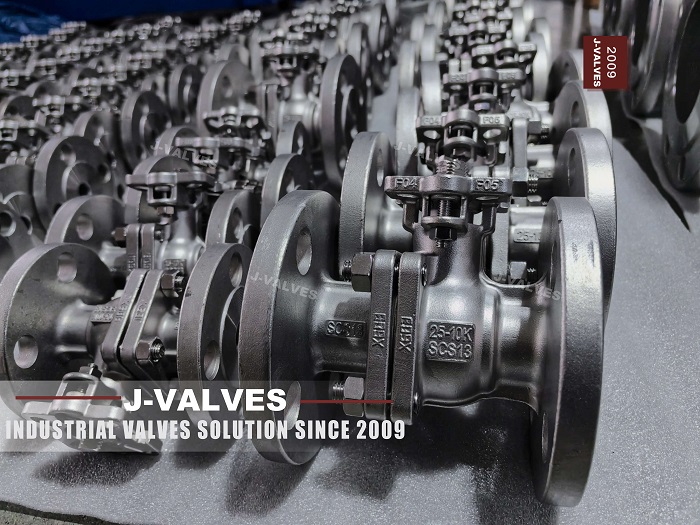
Ball And Seat Lapping: How Leakage Class Is Achieved
Ball and seat lapping for ball valves: grit sequence, contact band, Ra targets and the checks that hold ISO 5208 Rate A at 1.1 times pressure.