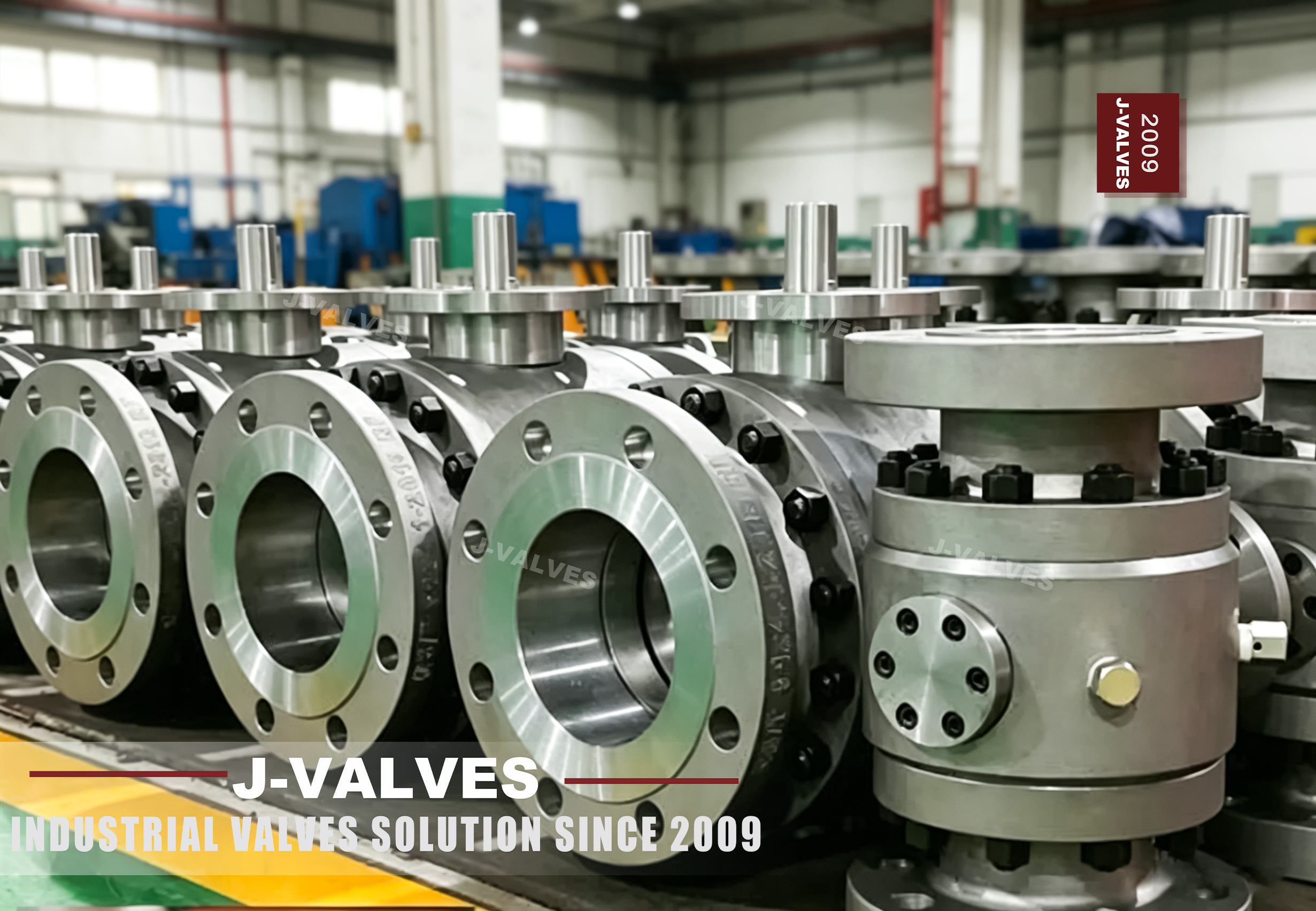
In the realm of industrial valve systems, metal-seated trunnion mounted ball valves are designed to handle the most demanding conditions. These valves are specifically engineered for applications where durability, tight sealing, and reliable performance are critical, especially in high-pressure, high-temperature, or abrasive environments.
What are Metal-Seated Trunnion Mounted Ball Valves?
Metal-seated ball valves are a type of valve designed for use in conditions where traditional soft-seated valves would fail due to high temperatures, pressures, or abrasive fluids. Unlike soft-seated valves that use elastomers or polymers to create a seal, metal-seated valves utilize metal-to-metal contact to achieve sealing. This design makes them suitable for extreme service conditions, including those involving steam, hydrocarbons, and slurry flows.
A trunnion mounted ball valve is characterized by its ball being supported at the top and bottom by trunnions, which are fixed components that provide greater structural stability compared to floating ball designs. The combination of metal seating and trunnion mounting provides a valve that is both rugged and reliable for industrial applications.
Key Features of Metal-Seated Trunnion Mounted Ball Valves
High Temperature and Pressure Resistance:
Metal-seated ball valves are capable of withstanding extremely high temperatures, often exceeding 500°F (260°C), without compromising their sealing integrity. This makes them ideal for applications such as chemical processing, oil and gas, and power generation, where high-temperature conditions are common.Enhanced Durability:
The metal-to-metal sealing system ensures that the valve remains functional even in harsh environments. Unlike soft-seated valves, which can degrade over time due to thermal cycling or abrasive media, metal-seated ball valves offer superior longevity and a lower cost of ownership in the long run.Ability to Handle Abrasive and Corrosive Fluids:
Metal-seated valves excel in applications involving abrasive or corrosive media, such as mining or petrochemical industries. The metal seats provide a much higher level of resistance to wear and corrosion compared to elastomeric or soft materials.Tight Sealing Performance:
The design of the trunnion mounted ball valve ensures that the ball is securely fixed in place, minimizing movement and reducing the risk of leakage. This is crucial for applications that require tight shutoff and reliable leak prevention, such as in the oil and gas industry.Reduced Torque Requirements:
The trunnion-mounted design reduces the torque required to operate the valve. Since the ball is supported by two trunnions, the forces acting on the ball are balanced, making it easier to turn the valve and requiring less actuator power.Self-Centering Mechanism:
The trunnion mounting mechanism helps keep the ball properly aligned within the valve body, reducing the potential for uneven wear. This contributes to the valve’s ability to maintain a consistent seal, even after long periods of use.
Performance Benefits of Metal-Seated Trunnion Mounted Ball Valves
Reliability in Severe Service Conditions:
Metal-seated trunnion mounted ball valves perform exceptionally well in applications involving high pressure, temperature, or corrosive conditions. Their ability to operate in these extreme conditions without losing sealing integrity makes them a go-to choice for critical applications like cryogenic systems, hydraulic systems, and high-temperature processing.Long-Term Cost Savings:
Although metal-seated trunnion mounted ball valves may have a higher initial cost compared to soft-seated valves, their durability and performance in extreme conditions often result in lower maintenance costs and a longer service life. In industries where valve failure can lead to significant downtime or even catastrophic failure, investing in these valves can save substantial operational costs over time.Improved Safety:
The risk of leakage is a critical concern in many industrial applications, particularly in the oil and gas sector. The robust sealing provided by metal-seated ball valves significantly enhances the safety of operations by preventing leaks of dangerous or hazardous materials.Versatility Across Applications:
These valves are versatile and can be used in a variety of sectors, including:Oil and Gas: For upstream and downstream applications involving high-pressure crude or natural gas lines.
Chemical Processing: To control the flow of aggressive chemicals at high temperatures.
Power Generation: In steam and water systems requiring precise control and tight shutoff capabilities.
Water Treatment: For controlling abrasive or dirty fluids.
Applications of Metal-Seated Trunnion Mounted Ball Valves
Oil and Gas Industry: In gas transmission, refinery operations, and offshore platforms, where high pressure and corrosive fluids are the norm.
Power Plants: To control steam flow and provide tight shutoff for safety and efficiency in thermal power generation systems.
Chemical and Petrochemical: In applications where chemicals flow at high temperatures or pressures, requiring valves that can handle aggressive media without degradation.
Water and Wastewater Treatment: In treatment facilities where abrasive media, such as suspended solids or chemicals, may be present.
Conclusion
Metal-seated trunnion mounted ball valves offer superior performance in extreme service conditions, delivering unmatched reliability, long-term durability, and low maintenance costs. Their robust design allows them to handle high pressures, temperatures, and abrasive fluids, making them essential in industries such as oil and gas, chemical processing, power generation, and more. For engineers and operators seeking valves that deliver tight shutoff, high performance, and longevity, metal-seated trunnion mounted ball valves are the ideal solution.