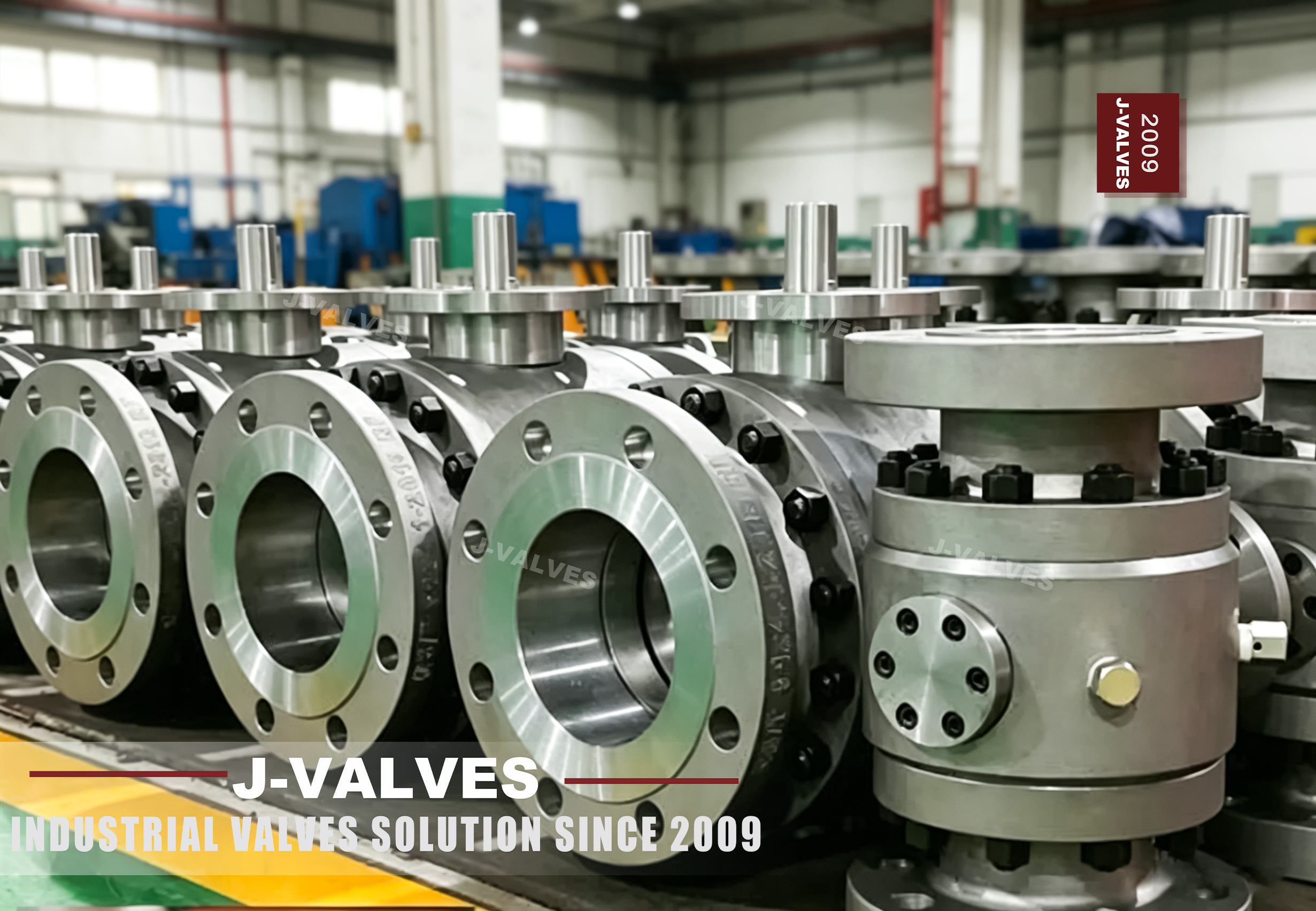
In high-pressure, high-risk industrial sectors such as oil and gas, chemical processing, and power generation, the safety and reliability of pipeline valves are critical to protecting personnel, equipment, and the environment. The High Pressure Fire Safe DBB (Double Block and Bleed) Ball Valve stands out as a core component in these harsh operating environments, combining advanced double block and bleed technology with fire-safe design to deliver unparalleled performance and safety advantages that meet the strictest industry standards and customer expectations.
One of the most prominent advantages of the High Pressure Fire Safe DBB Ball Valve is its dual safety protection mechanism enabled by the DBB design. Unlike standard ball valves that rely on a single sealing barrier, this valve integrates two independent shut-off blocks and a bleed port, forming a dual-line defense against medium leakage. When closed, both blocks seal tightly to isolate the upstream and downstream media simultaneously; even if one seal is damaged due to wear, corrosion, or extreme pressure, the other remains intact to prevent catastrophic leaks. The bleed function allows operators to real-time verify the seal status—if no medium flows out of the bleed port, the dual seals are intact, enabling timely early warning and handling of potential risks, which is particularly crucial for systems transporting high-pressure, flammable, or toxic media.
Its excellent fire-safe performance is another key highlight, fully complying with API 607 and API 6FA fire safety standards—the most authoritative certifications for industrial valve fire resistance. During a fire emergency, the valve’s fire-safe design (including metal-to-metal seating, graphite gaskets, and anti-blowout stem structure) ensures that even if non-metallic seals are burned or deformed, the metal seal backup system maintains tight sealing. It can withstand extreme temperatures of 650°C to 760°C for 30 minutes and retain structural integrity after water quenching, preventing hazardous medium leakage that could trigger secondary disasters. According to data from the International Process Safety Association, valves with API 607 certification reduce fire-related system failures by 63%.
Designed specifically for high-pressure applications, this valve boasts outstanding pressure-bearing capacity, with pressure ratings ranging from PN 1.0 MPa to 32.0 MPa (Class 150 to 2500) and temperature resistance from -20°C to 500°C, adapting to various harsh working conditions such as high-temperature steam, corrosive chemicals, and high-pressure natural gas. The fully welded valve body and metal seal (such as Inconel and Stellite overlay welding) enhance its durability and corrosion resistance, ensuring long-term stable operation even in environments containing H₂S and CO₂, significantly reducing the risk of valve failure due to pressure fluctuations or medium corrosion.
In addition to safety and performance, the High Pressure Fire Safe DBB Ball Valve offers cost-saving and efficiency-enhancing benefits. Its integrated DBB design eliminates the need for installing two independent globe valves plus an intermediate blowdown valve, reducing installation length, the number of welds and flanges, and potential leakage points. This not only lowers initial investment costs but also simplifies maintenance—operators can perform seal performance testing and even online replacement of valve seats without interrupting the main process, minimizing downtime and improving operational efficiency. Moreover, its low fugitive emission performance complies with ISO 15848-1 and API 641 standards, helping enterprises meet environmental regulations and avoid fines.
Compliance with international standards is another major advantage. The valve meets API 6D, ISO 17292, PED, and other global certifications, ensuring its applicability in international projects and helping customers avoid compliance risks in cross-border operations. Whether for offshore platforms, oil refineries, or nuclear power plants, it can meet the strict safety and performance requirements of high-risk industries, becoming a trusted choice for enterprises pursuing operational safety and efficiency.
Choosing our High Pressure Fire Safe DBB Ball Valve means choosing a reliable, safe, and cost-effective solution. We adhere to strict quality control standards, from material selection to manufacturing and testing, ensuring each valve meets or exceeds industry benchmarks. For more detailed specifications, customization options, and technical support, visit our website—we are committed to providing tailored solutions to help you enhance operational safety and reduce costs.