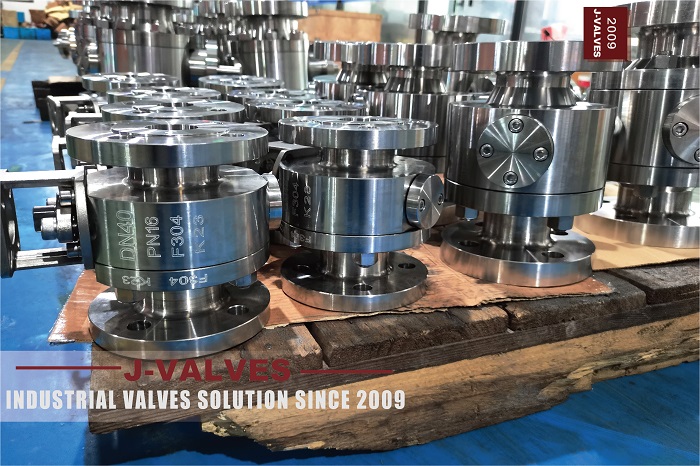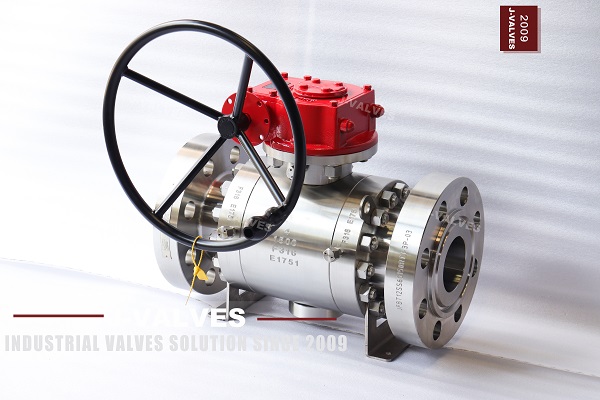


Fully welded ball valvesare an essential component in many industrial systems, offering a high level of durability, reliability, and performance. These valves are designed to withstand extreme pressures, temperatures, and harsh environments, making them ideal for critical applications in industries such as oil and gas, petrochemicals, and power generation.
Introduction to Fully Welded Ball Valves
A fully welded ball valve is a type of valve in which all of its body components (including the body, ball, and end connections) are welded together, as opposed to being bolted. This construction provides enhanced strength and tightness, ensuring a robust and leak-free valve. Fully welded ball valves are commonly used in systems that require high reliability and are designed to operate under high-pressure conditions.
Key Features of Fully Welded Ball Valves
Welded Construction:
Unlike traditional ball valves, which use bolted body designs, fully welded ball valves have a continuous welded body construction. This eliminates the need for external bolts or flanges, reducing potential leak points and enhancing the overall integrity of the valve. The welded design is particularly beneficial in systems where space is limited or where a fully leak-tight seal is required.High Pressure and Temperature Resistance:
Fully welded ball valves are built to withstand extreme pressure and temperature conditions. The welded body construction ensures the valve can handle higher pressure ratings and is resistant to thermal expansion, making them ideal for critical applications in industries like oil and gas and power generation.Corrosion Resistance:
These valves are typically constructed from materials that offer superior corrosion resistance, such as stainless steel, alloy steels, or special alloys. This makes them suitable for use in corrosive environments or in systems where exposure to harsh chemicals and gases is common.Compact and Space-Saving Design:
Fully welded ball valves offer a compact design without the need for bulky bolted flanges or additional fittings. This makes them particularly well-suited for installations in tight spaces, such as pipelines in offshore platforms or underground facilities.Long-Term Reliability:
The welded construction provides exceptional long-term reliability, reducing the risk of valve failure due to external stress or vibration. This makes fully welded ball valves ideal for long-term installations where minimal maintenance is required.
How Fully Welded Ball Valves Work
Fully welded ball valvesfunction similarly to traditional ball valves in terms of their operation. The valve has a ball with a hole or port through its center, which rotates to control the flow of fluid. When the valve is in the open position, the port aligns with the pipeline, allowing fluid to flow. When closed, the ball rotates to block the flow completely.
The key distinction of fully welded ball valves is their construction. The body, end connections, and ball are all welded together to form a unified structure. This eliminates the possibility of leakage at flange or bolt connections, ensuring a highly secure and leak-proof system. Additionally, the welded body construction ensures superior pressure and temperature resistance, making the valve suitable for demanding applications.
Applications of Fully Welded Ball Valves
Fully welded ball valves are used in a variety of applications where reliability, strength, and resistance to extreme conditions are crucial. Some of the most common industries and applications for fully welded ball valves include:
Oil and Gas:
In the oil and gas industry, fully welded ball valves are used to control the flow of oil, gas, and other fluids in pipelines and processing facilities. Their ability to withstand high pressures and harsh conditions makes them ideal for both onshore and offshore applications.Petrochemical and Chemical Processing:
These valves are frequently used in petrochemical plants and chemical processing facilities, where they handle aggressive chemicals, high temperatures, and fluctuating pressures. The corrosion-resistant properties of fully welded ball valves ensure long-term reliability even in these harsh environments.Power Generation:
Fully welded ball valves are also widely used in power plants for controlling steam and water flow in high-pressure systems. The ability to handle extreme temperatures and pressures makes them ideal for boiler and turbine systems, where reliability is crucial for safe and efficient operation.Water and Wastewater Treatment:
In water treatment facilities, fully welded ball valves are employed for controlling the flow of water and other liquids in treatment processes. Their leak-proof design ensures minimal contamination, and their durability ensures they can withstand the abrasive forces of water and waste.Nuclear Industry:
Due to their robust construction and leak-proof design, fully welded ball valves are used in the nuclear industry for applications where safety and containment are of the highest priority. These valves are used in coolant and control systems within nuclear reactors, ensuring the safe handling of critical fluids.
Advantages of Fully Welded Ball Valves
Leak-Free Performance:
The primary benefit of a fully welded ball valve is its leak-free performance. The welded design eliminates the potential for leaks at flange connections, offering a more secure seal than bolted designs.Durability and Longevity:
Fully welded ball valves are built to last. Their welded body construction and corrosion-resistant materials ensure long-term performance, reducing the need for frequent replacements and minimizing maintenance costs.Improved Safety:
The robust construction of fully welded ball valves makes them safer in high-pressure and high-temperature applications. Their reliability minimizes the risk of system failure, which is crucial in industries like oil and gas, where valve failure can lead to catastrophic consequences.Cost-Effectiveness:
While the initial cost of a fully welded ball valve may be higher than a traditional ball valve, the long-term cost savings due to reduced maintenance, longer service life, and enhanced reliability make them a cost-effective choice for many industries.
Conclusion
Fully welded ball valves are essential in industries that require robust, reliable, and leak-free performance under extreme conditions. Their welded construction provides superior durability, pressure resistance, and corrosion resistance, making them ideal for critical applications in the oil and gas, petrochemical, power generation, and nuclear sectors. By understanding the features and benefits of fully welded ball valves, you can make an informed decision when selecting the right valve for your system.