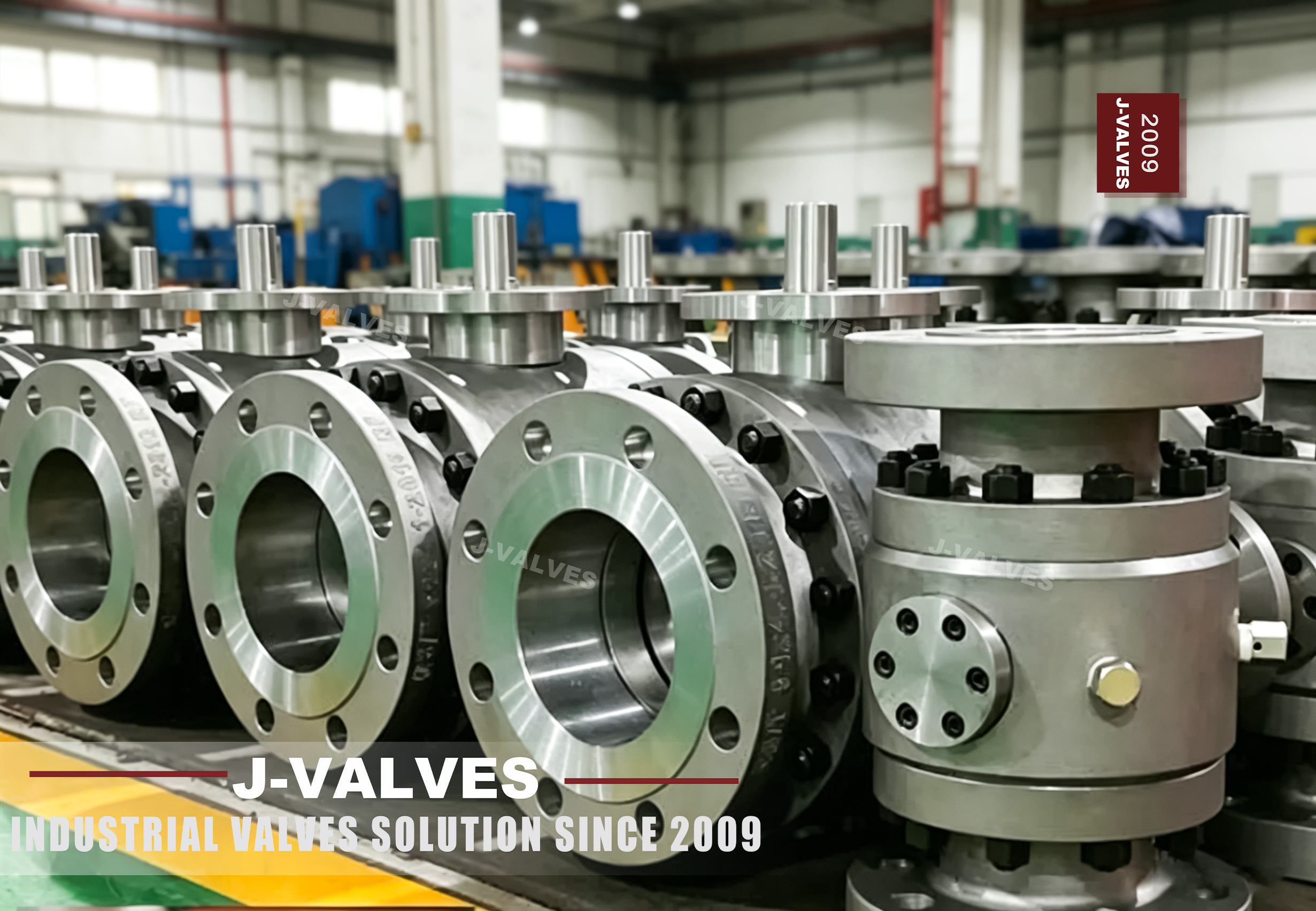
In the realm of industrial applications, the selection of the right valve is crucial for ensuring operational efficiency, safety, and longevity. J-VALVES has established itself as a leading provider of high-quality floating ball valves that meet the stringent demands of various industries. The features and benefits that make J-VALVES floating ball valves ideal for industrial use, highlighting their reliability, durability, and advanced design.
I. Robust Construction and High-Quality Materials
1. Durable Materials
J-VALVES floating ball valves are constructed using high-quality materials such as WCB (Weldable Cast Steel) and stainless steel, which are known for their durability and resistance to corrosion. These materials ensure that the valves can withstand harsh industrial environments and maintain their performance over extended periods.
2. Precision Engineering
The valves are manufactured using precision engineering techniques, ensuring tight tolerances and high-quality finishes. This precision not only enhances the valves performance but also reduces the risk of leaks and other operational issues.
II. Advanced Design Features
1. Full Bore Design
J-VALVES floating ball valves feature a full bore design, which allows for maximum flow capacity and minimal pressure drop. This design is particularly beneficial in applications where high flow rates and energy efficiency are critical.
2. Blow-Out Proof Stem
The blow-out proof stem design is a significant safety feature that prevents the stem from dislodging under high pressure. This design ensures the valve remains secure and reliable, even in demanding industrial conditions.
3. Fire-Safe Design
J-VALVES valves are designed to meet fire-safe standards, ensuring they can withstand high temperatures and continue to function effectively in the event of a fire. This feature is crucial in industries such as oil and gas, where fire safety is paramount.
4. Anti-Static Design
The anti-static design prevents the buildup of static electricity, reducing the risk of ignition in hazardous environments. This feature is particularly important in applications involving flammable fluids or gases.
III. Versatile Operation Options
1. Manual, Pneumatic, and Electric Actuation
J-VALVES offers a range of actuation options, including manual, pneumatic, and electric actuators. This versatility allows users to select the most suitable actuation method based on their specific application requirements and operational needs.
2. ISO 5211 Mounting Pad
The inclusion of an ISO 5211 mounting pad ensures compatibility with a wide range of actuators, providing flexibility and ease of integration into existing systems.
IV. Superior Sealing Performance
1. PTFE Seals
J-VALVES floating ball valves utilize PTFE (Polytetrafluoroethylene) seals, which are known for their excellent chemical resistance and low friction properties. These seals ensure a tight seal and long-term reliability, even in applications involving corrosive fluids.
2. Zero Leakage
The advanced sealing technology employed by J-VALVES ensures zero leakage, which is essential for maintaining system integrity and preventing environmental contamination. This feature is particularly valuable in industries such as chemical processing and water treatment.
V. Easy Maintenance and Long Service Life
1. User-Friendly Design
J-VALVES valves are designed with maintenance in mind, featuring easy-to-access components and user-friendly designs. This makes routine maintenance and repairs quick and straightforward, minimizing downtime and maintenance costs.
2. Long Service Life
The combination of high-quality materials, advanced design features, and superior sealing performance ensures that J-VALVES floating ball valves have a long service life. This reliability reduces the need for frequent replacements, providing a cost-effective solution for industrial applications.
VI. Compliance with International Standards
1. Adherence to Standards
J-VALVES floating ball valves are designed and manufactured in compliance with international standards such as API 6D, API 608, and ASME B16.34. This adherence ensures that the valves meet the highest quality and safety standards, providing users with confidence in their performance and reliability.
2. Certifications
J-VALVES valves are certified by recognized authorities, ensuring they meet the necessary requirements for safety and performance. These certifications provide assurance that the valves are suitable for use in various industrial applications.
VII. Customization Options
1. Tailored Solutions
J-VALVES offers customization options to meet specific customer requirements. This includes the ability to tailor the valve size, pressure rating, material, and actuation method to suit individual applications. This flexibility ensures that users can obtain a valve that perfectly matches their operational needs.
2. Specialized Applications
J-VALVES can also provide specialized solutions for unique applications, such as high-pressure, high-temperature, or corrosive environments. This capability ensures that the valves can handle the most demanding industrial conditions.
Conclusion
J-VALVES floating ball valves stand out as an ideal choice for industrial applications due to their robust construction, advanced design features, versatile operation options, superior sealing performance, easy maintenance, and compliance with international standards. These valves offer a reliable, durable, and cost-effective solution that meets the stringent demands of various industries. By choosing J-VALVES, you can ensure efficient operation, enhanced safety, and long-term reliability in your industrial applications.