

Introduction
In modern oil & gas, petrochemical, marine, and industrial pipeline systems, valve safety, reliability, and maintenance efficiency have become increasingly important. Although traditional ball valves are widely used for flow isolation, they may not always meet the requirements of applications requiring higher safety levels and zero-leakage isolation.
The comparison of DBB Ball Valve vs Ball Valve highlights significant differences in sealing structure, pressure isolation capability, maintenance advantages, and application suitability.
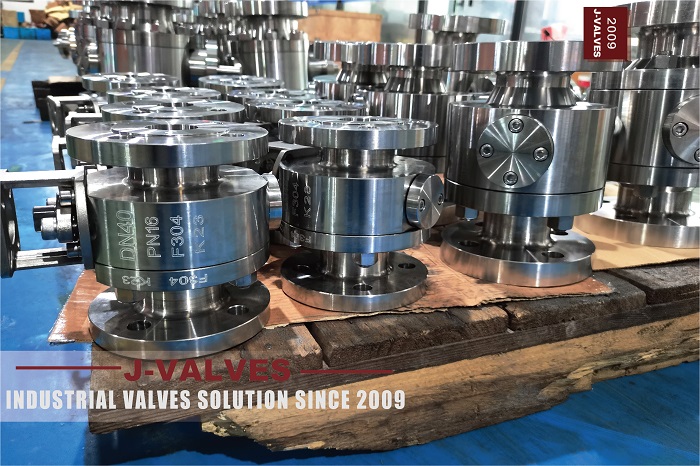
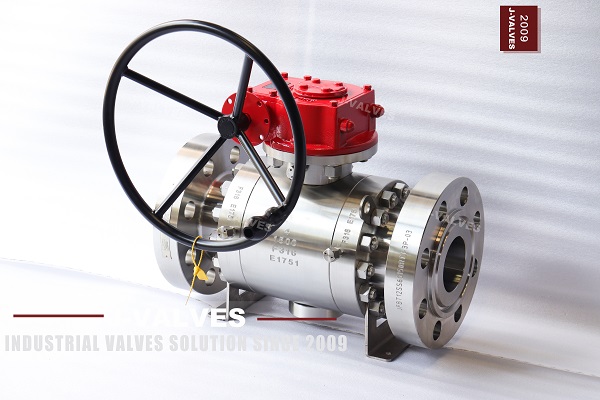
A Double Block and Bleed (DBB) Ball Valve is specially designed to provide two independent sealing barriers with a bleed function between them. This structure allows operators to verify isolation, release trapped pressure, and improve system safety.
With professional experience in ball valve manufacturing, J-VALVES provides high-performance DBB ball valve solutions designed according to international standards, delivering reliable performance for demanding industrial applications.
1. Structural Difference Between DBB Ball Valve and Traditional Ball Valve
The main difference between a DBB Ball Valve and a traditional ball valve lies in the internal sealing configuration.
Traditional Ball Valve Design
A conventional ball valve uses a single ball and seat sealing system to control fluid flow. When the valve is closed, the ball rotates 90 degrees to block the pipeline.
Advantages include:
Simple structure
Fast operation
Low operating torque
Wide range of industrial applications
However, a traditional ball valve only provides a single isolation barrier. In critical systems, additional safety measures may be required to confirm complete isolation.
DBB Ball Valve Design
A Double Block and Bleed Ball Valve integrates two independent sealing mechanisms within one valve body. The space between the two sealing points can be connected to a bleed port for pressure release or leakage detection.
Key structural advantages include:
Dual isolation capability
Intermediate cavity pressure monitoring
Reduced installation space compared with multiple valve combinations
Improved operational safety
The advanced DBB Ball Valve Design provides a compact and reliable alternative to traditional double valve arrangements.
2. Isolation Performance Comparison
Isolation reliability is one of the most important factors when evaluating DBB Ball Valve vs Ball Valve.
Traditional Ball Valve Isolation
Traditional ball valves are effective for general flow control and shut-off applications. However, because they rely on a single sealing system, they may not provide sufficient protection in applications requiring verified isolation.
Common applications include:
Water systems
General industrial pipelines
Utility services
Low-risk process systems
DBB Ball Valve Isolation
DBB ball valves provide enhanced isolation through two separate sealing barriers.
Main benefits include:
Higher safety during maintenance operations
Reduced risk of cross-contamination
Ability to confirm valve sealing condition
Suitable for critical process isolation
This makes DBB ball valves especially valuable in oil and gas terminals, LNG facilities, chemical plants, and offshore platforms.
3. Bleed Function and Pressure Release Capability
One of the most significant advantages of a DBB ball valve is the integrated bleed function.
When the valve is fully closed, the trapped fluid between the two seats can be safely released through the bleed port. This allows operators to:
Verify valve sealing performance
Remove trapped pressure
Perform maintenance safely
Reduce potential safety risks
Traditional ball valves generally do not provide this built-in pressure release function, which may require additional piping components or separate valves.
J-VALVES DBB ball valves are engineered with reliable cavity pressure control designs to improve system safety and operational efficiency.
4. Space Saving and Installation Advantages
In many industrial facilities, reducing equipment footprint is an important engineering consideration.
Traditional double isolation systems often require:
Two separate ball valves
Additional piping connections
More installation space
Higher maintenance requirements
A DBB ball valve combines these functions into a single valve assembly.
Advantages include:
Compact installation design
Reduced pipeline complexity
Lower installation costs
Easier system maintenance
For offshore platforms, LNG facilities, and compact process units, DBB ball valves provide significant space-saving benefits.
5. Material Selection and Application Reliability
Material selection directly affects valve service life, especially in corrosive and high-pressure environments.
Common DBB ball valve materials include:
Carbon steel for general applications
Stainless steel for corrosive media
Low-temperature carbon steel for cryogenic applications
Special alloys for marine and chemical environments
J-VALVES provides customized material solutions based on operating conditions, including pressure rating, temperature range, and fluid characteristics.
Advanced manufacturing processes ensure:
Accurate machining of sealing components
Reliable ball and seat alignment
Stable torque performance
Long service life
6. Applications of DBB Ball Valves
Due to their enhanced isolation capability, DBB ball valves are widely used in:
Oil and gas pipeline systems
LNG storage and transportation
Offshore platforms
Petrochemical facilities
Refinery process units
Terminal loading systems
Chemical processing equipment
These industries require valves that provide safe isolation, reliable sealing, and easy maintenance.
Why Choose J-VALVES DBB Ball Valves?
As an experienced industrial valve manufacturer, J-VALVES specializes in designing and manufacturing high-quality DBB ball valve solutions.
1. Professional Engineering Design
J-VALVES develops DBB ball valves based on real operating requirements, including:
Pressure class selection
Temperature conditions
Media characteristics
Installation requirements
2. Strict Quality Control
Each valve undergoes inspection and testing procedures to ensure:
Pressure performance reliability
Seat sealing integrity
Operational stability
Long-term service performance
3. Customized Solutions
J-VALVES can provide customized DBB ball valve configurations, including:
Floating ball and trunnion mounted designs
Different end connection options
Manual, pneumatic, and electric actuation
Customized sealing materials
4. International Standard Manufacturing
J-VALVES follows recognized industry standards to ensure products meet the expectations of global customers in demanding industrial environments.
Conclusion
The comparison of DBB Ball Valve vs Ball Valve demonstrates that both valve designs have their own application advantages. Traditional ball valves provide simple and reliable shut-off solutions, while DBB ball valves offer enhanced safety through double isolation and bleed capability.
For critical applications requiring verified isolation, pressure release, and improved operational safety, J-VALVES DBB Ball Valves provide an advanced engineering solution.
With professional manufacturing experience, customized design capability, and strict quality management, J-VALVES delivers reliable DBB ball valve products that support safe and efficient operation in global industrial systems.