


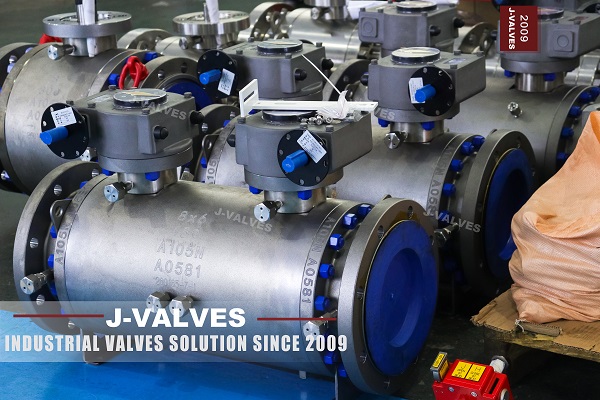
Introduction
In modern industrial pipeline systems, Double Block and Bleed (DBB) ball valves play an essential role in ensuring safe isolation, maintenance efficiency, and operational reliability. These valves are widely used in oil and gas, LNG, petrochemical, refining, power generation, and process industries where secure fluid isolation is required.
Among all design considerations, material selection for industrial DBB ball valves is one of the most important factors affecting valve performance, service life, and safety. The valve body, ball, stem, seat, and sealing components must be carefully selected according to pressure rating, temperature range, corrosion conditions, and process media characteristics.
A properly engineered DBB ball valve combines suitable materials with advanced sealing technology to achieve reliable shutoff performance under demanding operating conditions.
1. Understanding DBB Ball Valve Structure
A Double Block and Bleed ball valve integrates two independent sealing barriers with a bleed function between them.
The basic operating principle includes:
Two sealing seats isolate upstream and downstream pressure
The cavity between seats can be depressurized through the bleed port
Operators can verify valve isolation before maintenance activities
Main components include:
Valve body
Ball
Stem
Seats
Sealing system
Actuation mechanism
Each component requires specific material considerations to maintain long-term reliability.
2. Key Factors Affecting DBB Ball Valve Material Selection
2.1 Operating Temperature
Temperature directly influences mechanical strength and sealing performance.
Different applications require different material solutions:
Normal Temperature Applications
Common materials:
Carbon steel
Stainless steel
Alloy steel
Suitable for:
General oil pipelines
Industrial process systems
Water applications
Low Temperature Applications
For LNG and cryogenic services, materials must maintain toughness at extremely low temperatures.
Common materials include:
ASTM A350 LF2
ASTM A352 LCC
Stainless steel 316
Advantages:
Excellent impact resistance
Stable mechanical properties
Reliable low-temperature performance
3. DBB Ball Valve Body Material Selection
The valve body is the primary pressure-containing component, and its material directly determines structural strength and corrosion resistance.
3.1 Carbon Steel DBB Ball Valves
Carbon steel is one of the most commonly used materials for industrial DBB valves.
Typical materials:
ASTM A216 WCB
ASTM A105 forged steel
Advantages:
High strength
Cost-effective solution
Suitable for general hydrocarbon services
Applications:
Oil transmission pipelines
Gas processing systems
Industrial plants
3.2 Stainless Steel DBB Ball Valves
Stainless steel provides excellent corrosion resistance.
Common materials:
CF8M
ASTM A351 CF3M
316 stainless steel
Advantages:
Resistance to chemical corrosion
Suitable for aggressive media
Excellent surface performance
Applications:
Chemical processing
Offshore systems
Pharmaceutical industries
3.3 Low Temperature Carbon Steel
For cryogenic DBB ball valve applications, low-temperature carbon steel is commonly selected.
Typical materials:
LF2 Class 1
LCC cast steel
Advantages:
Maintains toughness under freezing conditions
Suitable for LNG transportation
Reliable pressure containment
4. Ball and Stem Material Selection
The ball and stem are critical moving components requiring excellent strength and wear resistance.
4.1 Stainless Steel Ball and Stem
Common choices:
316 stainless steel
17-4PH stainless steel
Advantages:
High hardness
Corrosion resistance
Good mechanical stability
4.2 Surface Treated Ball Materials
For high-pressure or abrasive services, surface treatments may be applied.
Examples:
Electroless nickel plating
Tungsten carbide coating
Hard chrome coating
Benefits:
Improved wear resistance
Reduced friction
Extended valve service life
5. Seat Material Selection for DBB Ball Valves
Seat selection directly affects sealing performance.5.1 PTFE Seats
PTFE is widely used in soft-seated DBB ball valves.
Advantages:
Excellent chemical resistance
Low friction coefficient
Good sealing capability
Suitable for:
Gas applications
Clean fluids
Medium temperature services
5.2 Reinforced PTFE Seats
Modified PTFE materials include:
RPTFE
Carbon-filled PTFE
Advantages:
Higher strength
Better creep resistance
Improved temperature capability
5.3 PEEK Seats
PEEK is selected for demanding applications.
Advantages:
High temperature resistance
Excellent wear performance
Good mechanical strength
Applications:
High-pressure systems
Severe service conditions
5.4 Metal Seats
Metal-seated DBB ball valves are designed for extreme operating environments.
Advantages:
High temperature capability
Resistance to erosion
Suitable for abrasive media
Common applications:
High-temperature process systems
Power plants
Special industrial services
6. Material Selection According to Industrial Applications
Oil and Gas Pipeline Systems
Recommended materials:
WCB carbon steel body
Stainless steel trim
PTFE or RPTFE seats
Requirements:
Reliable isolation
Long pipeline service life
Low maintenance operation
LNG and Cryogenic Systems
Recommended materials:
LF2 or LCC body
Stainless steel internal components
Low-temperature compatible seats
Requirements:
Cryogenic toughness
Thermal cycling resistance
Reliable sealing
Offshore and Marine Applications
Recommended materials:
Stainless steel
Duplex stainless steel
Nickel aluminum bronze options
Requirements:
Saltwater corrosion resistance
Long-term durability
High reliability
7. J-VALVES Material Selection Advantages for DBB Ball Valves
J-VALVES focuses on providing engineered DBB ball valve solutions for demanding industrial applications.
7.1 Professional Material Engineering
J-VALVES evaluates:
Operating temperature
Pressure rating
Fluid characteristics
Corrosion environment
Required service life
Based on these conditions, suitable materials are selected to optimize valve performance.
7.2 Strict Material Traceability
Material quality control includes:
Raw material inspection
Chemical composition analysis
Mechanical property testing
Heat treatment verification
Material certificate management
This ensures every DBB ball valve meets project requirements.
7.3 Advanced Manufacturing Capability
J-VALVES applies professional manufacturing processes including:
Precision machining
Sealing surface finishing
Controlled assembly procedures
Pressure and leakage testing
These processes improve valve reliability in critical pipeline applications.
8. How to Choose the Right Material for DBB Ball Valves
When selecting DBB ball valve materials, engineers should consider:
1. Medium Characteristics
Evaluate:
Corrosiveness
Pressure
Temperature
Chemical compatibility
2. Operating Conditions
Consider:
Continuous operation time
Pressure fluctuations
Opening frequency
3. Industry Standards
Common standards include:
API 6D
ASME B16.34
ISO 17292
NACE MR0175 (when applicable)
Conclusion
Material selection is a fundamental factor in the performance of industrial DBB ball valves. The correct combination of body materials, trim materials, and sealing solutions ensures reliable isolation, improved safety, and extended service life.
From carbon steel and stainless steel to low-temperature alloys and advanced seat materials, every component must be selected according to actual operating requirements.
With professional engineering experience, strict quality control, and customized manufacturing capabilities, J-VALVES delivers reliable DBB ball valve solutions for oil & gas, LNG, petrochemical, and industrial pipeline applications worldwide.


