


Introduction
Liquefied Natural Gas (LNG) storage and transportation systems require valves with extremely high safety, sealing reliability, and low-temperature performance. Due to LNG operating conditions that can reach cryogenic temperatures, traditional valve designs may not always meet the requirements for safe isolation.
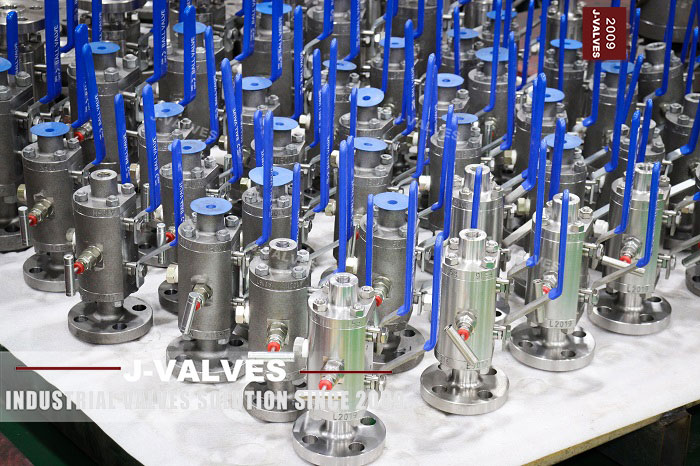
The LNG DBB Ball Valve (Double Block and Bleed Ball Valve) is widely used in LNG terminals, storage tanks, and transportation pipelines because it provides double isolation, low leakage performance, and reliable operation under cryogenic conditions.
As a professional valve manufacturer, J-VALVES provides advanced Cryogenic DBB Valve solutions designed for LNG and other low-temperature applications.
1. DBB Ball Valve Requirements in LNG Systems
LNG systems involve highly demanding operating environments, including:
Extremely low temperatures
High sealing requirements
Strict safety standards
Continuous operation conditions
A standard ball valve may provide basic shut-off, but LNG applications often require additional isolation protection.
The LNG DBB Ball Valve integrates two independent sealing barriers and a bleed function, allowing operators to verify isolation and safely release trapped pressure inside the valve cavity.
2. Double Block and Bleed Design for LNG Safety
Safety is a primary consideration in LNG storage and transportation.
The DBB design provides:
Double Isolation
Two independent seats create separate sealing barriers, reducing the risk of leakage during maintenance or system shutdown.
Bleed Function
The cavity pressure can be released through the bleed system, allowing operators to:
Confirm valve sealing performance
Remove trapped LNG or gas pressure
Improve maintenance safety
This design is especially important for LNG loading arms, storage tanks, and pipeline isolation systems.
3. Cryogenic Design Features of LNG DBB Ball Valve
A Cryogenic DBB Valve requires special design considerations to ensure reliable performance at extremely low temperatures.
Key features include:
Low-temperature resistant materials
Extended bonnet design
Reliable seat sealing system
Suitable sealing materials for cryogenic service
The extended stem design helps keep the actuator away from the cold zone, improving operational reliability and reducing the risk of freezing.
4. Low Leakage Performance and Reliability
LNG systems require strict control of external and internal leakage.
J-VALVES LNG DBB ball valves are designed with:
High-performance seat sealing
Fire-safe structure
Anti-static design
Precision machining technology
These features help maintain long-term sealing performance in cryogenic environments.
5. J-VALVES Advantages in LNG DBB Ball Valve Manufacturing
As an experienced industrial valve manufacturer, J-VALVES provides reliable LNG DBB Ball Valve solutions for global energy projects.
International Standard Design
J-VALVES products are designed according to:
API 6D
ASME B16.34
ISO 14313
Professional Cryogenic Manufacturing Capability
J-VALVES focuses on:
Cryogenic material selection
Low-temperature sealing technology
Strict pressure and leakage testing
Customized LNG valve solutions
Quality Control
Each valve undergoes inspection including:
Material verification
Hydrostatic testing
Seat leakage testing
Functional testing
This ensures reliable performance in demanding LNG applications.
Conclusion
The LNG DBB Ball Valve is an essential component in LNG storage and transportation systems due to its double isolation capability, low leakage performance, and cryogenic reliability.
With advanced design technology, strict quality control, and professional engineering experience, J-VALVES provides high-performance Cryogenic DBB Valve solutions that support safe and efficient LNG operations worldwide.


