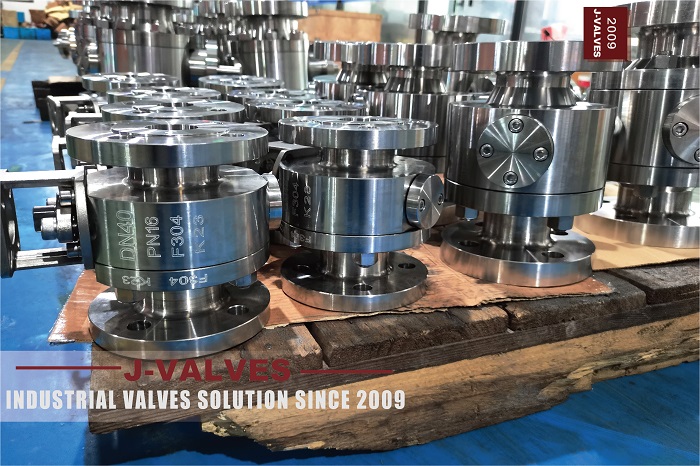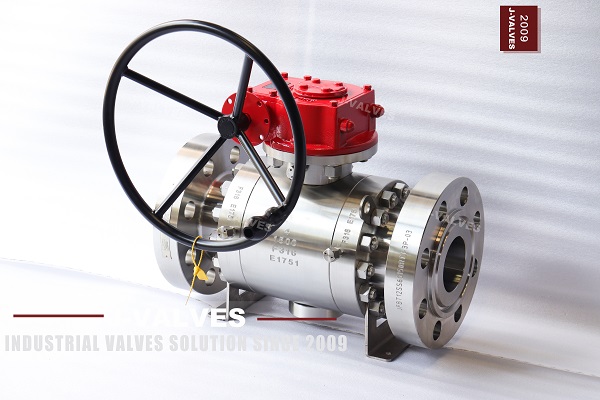


Introduction to Cryogenic Trunnion-Mounted Ball Valves
Cryogenic trunnion-mounted ball valves are essential components in the oil, gas, and chemical industries, especially for applications involving extremely low temperatures, such as liquefied natural gas (LNG) transportation, storage, and cryogenic fluid systems. These valves are specifically designed to operate under cryogenic conditions, typically ranging from -196°C (-321°F) to -253°C (-423°F), and are critical in maintaining system safety, performance, and reliability under extreme conditions.
Trunnion-mounted ball valves are highly effective in regulating the flow of cryogenic fluids, offering enhanced performance and durability when compared to traditional ball valves. Their robust construction and precision control make them ideal for safely managing the flow of liquefied gases in challenging environments.
What is a Cryogenic Trunnion-Mounted Ball Valve?
A cryogenic trunnion-mounted ball valve is a type of ball valve designed for use in systems that handle cryogenic fluids. The "trunnion" refers to the support structure that secures the ball at the top and bottom, ensuring precise control and minimizing ball movement, even under high pressure. This design helps to reduce wear on internal components, prolonging the valve's lifespan and improving sealing performance.
The cryogenic design ensures that the valve performs reliably in extremely low-temperature environments, preventing issues like freezing, leakage, or material failure. Cryogenic trunnion-mounted ball valves are engineered to maintain structural integrity under thermal stress and are typically used in pipelines that transport LNG, oxygen, nitrogen, and other cryogenic liquids.
Key Features of Cryogenic Trunnion-Mounted Ball Valves
Cryogenic Design for Extreme Temperatures: Cryogenic trunnion-mounted ball valvesare built to withstand extremely low temperatures without compromising their integrity. Special materials and design features, such as cryogenic seals, insulation, and thermal barriers, ensure that the valve can operate efficiently at temperatures as low as -196°C (-321°F), making them ideal for LNG and other cryogenic applications.
Trunnion-Mounted Construction for Stability: The trunnion-mounted design secures the ball at both the top and bottom, allowing it to rotate with minimal friction and preventing excessive wear. This reduces the chances of valve failure and extends the valve’s service life, even when handling high-pressure cryogenic fluids.
Reliable Sealing Performance: Cryogenic trunnion-mounted ball valves are equipped with advanced sealing technologies that maintain their integrity even in extreme temperatures. These valves feature elastomeric seals that are specially formulated to prevent freezing and provide tight shutoff, ensuring no leakage even in the most challenging conditions.
Pressure Control and Flow Regulation: The precision engineering of trunnion-mounted ball valves allows for highly accurate flow control, essential for maintaining system pressure in cryogenic fluid transport. The valve's ability to provide smooth operation, even under high-pressure and low-temperature conditions, ensures reliable flow management, preventing potential system failures.
Durability and Strength: The materials used in cryogenic trunnion-mounted ball valves, such as carbon steel, stainless steel, and specialized alloys, are carefully selected to withstand the stresses imposed by cryogenic temperatures. These materials ensure high mechanical strength, corrosion resistance, and resistance to thermal cycling, which are all crucial for the long-term performance of the valve in demanding environments.
Benefits of Cryogenic Trunnion-Mounted Ball Valves
Enhanced Safety: Cryogenic trunnion-mounted ball valves play a key role in maintaining the safety of cryogenic fluid systems. Their precise sealing capabilities and reliable flow control help to prevent hazardous leaks, system failures, and accidents, reducing the risk of safety incidents in industries like LNG, oil, and gas.
Increased Valve Longevity: The trunnion-mounted ball valve's design minimizes wear and tear, improving the valve's durability and longevity. This feature is particularly important in cryogenic applications, where the valve must endure repeated thermal cycles and high pressures without compromising its performance.
Improved Flow Control: Cryogenic trunnion-mounted ball valves are engineered to provide superior flow control, even in extreme conditions. Their ability to regulate fluid flow precisely allows for greater efficiency in cryogenic fluid transport systems, minimizing the risk of system overpressure or underpressure that could lead to failures.
Reliable Performance Under Extreme Conditions: Cryogenic fluids are often volatile and require robust infrastructure to ensure their safe and efficient transportation. Cryogenic trunnion-mounted ball valves are designed to operate consistently and effectively under extreme temperatures and pressures, ensuring that critical systems function optimally, even under the most challenging conditions.
Reduced Maintenance Costs: The durability of cryogenic trunnion-mounted ball valves reduces the need for frequent maintenance and replacement. The robust design ensures that these valves can withstand the rigors of cryogenic fluid systems, resulting in lower downtime, fewer repairs, and cost savings for operators.
Applications of Cryogenic Trunnion-Mounted Ball Valves
Liquefied Natural Gas (LNG) Transport and Storage: Cryogenic trunnion-mounted ball valves are commonly used in LNG pipelines to regulate the flow of liquefied natural gas. Their ability to handle cryogenic temperatures ensures safe and efficient transport and storage of LNG, a vital resource in global energy markets.
Chemical and Petrochemical Industries: These valves are also essential in chemical plants and petrochemical facilities where cryogenic liquids like oxygen, nitrogen, and argon are transported. Their ability to maintain safe and precise flow control in hazardous conditions makes them indispensable in these industries.
Cryogenic Research and Testing: Cryogenic trunnion-mounted ball valves are used in laboratories and research institutions for cryogenic testing and experiments. Their reliability and precision are crucial for maintaining controlled environments in research settings.
Industrial Gas Production: In the production of industrial gases, such as liquid oxygen and nitrogen, cryogenic trunnion-mounted ball valves are used to control the flow of these fluids in pipelines and storage systems. The valve's ability to operate at extremely low temperatures ensures that the gases remain in their liquefied state during transport and storage.
Conclusion
Cryogenic trunnion-mounted ball valves are a critical component in industries that handle liquefied gases and other cryogenic fluids. Their advanced sealing technologies, robust construction, and ability to operate efficiently at extreme temperatures make them indispensable in cryogenic fluid systems. With features like precise flow control, enhanced safety, and improved durability, these valves ensure the reliability and safety of cryogenic applications, reducing maintenance costs and improving overall system performance.