
J-VALVES · Ball Valve Manufacturer · Wenzhou, China info@j-valves.com +86-13600648865

API 6D ball valve selection guide

News

Home News The Working Principle and Daily Maintenance of the Check Valve
Inquire

A check valve is a round valve used to open and close the parts, it can stop the backflow of media, and is used to produce the effect of its weight and media pressure. It belongs to the automatic valve category, also known as a check valve, check valve, backflow valve, or isolation valve. Valve movement is divided into lifting and swinging types. The lifting check valve and globe valve structure are similar, only they lack a driven valve stem. The medium flows in from the inlet side and out from the outlet side. A stainless steel check valve is often used as the bottom valve of the pumping device, which can stop the backflow of water. Stainless steel check valves are used in combination with globe valves to provide safe isolation.


Here is the content list:

  • How do check valves work?

  • How to maintain the check valve daily?


How do check valves work?


Stainless steel check valveworks under the effect of fluid pressure in a single direction of operation, the valve flap opens, and the fluid runs in the opposite direction, because the fluid pressure and the self-weight of the valve flap together, affecting the valve seat, making the flow is broken. The stainless steel check valve is to use the flow of the medium itself to manipulate the valve flap of the switch, it can avoid the backflow of the medium. It allows the medium to flow in one direction only and stops the flow in the opposite direction. The valve flap opens when the fluid pressure flows in one direction, and when the fluid flows in the opposite direction, the flow is cut off because of the fluid pressure and the self-weight of the valve flap acting on the valve seat.
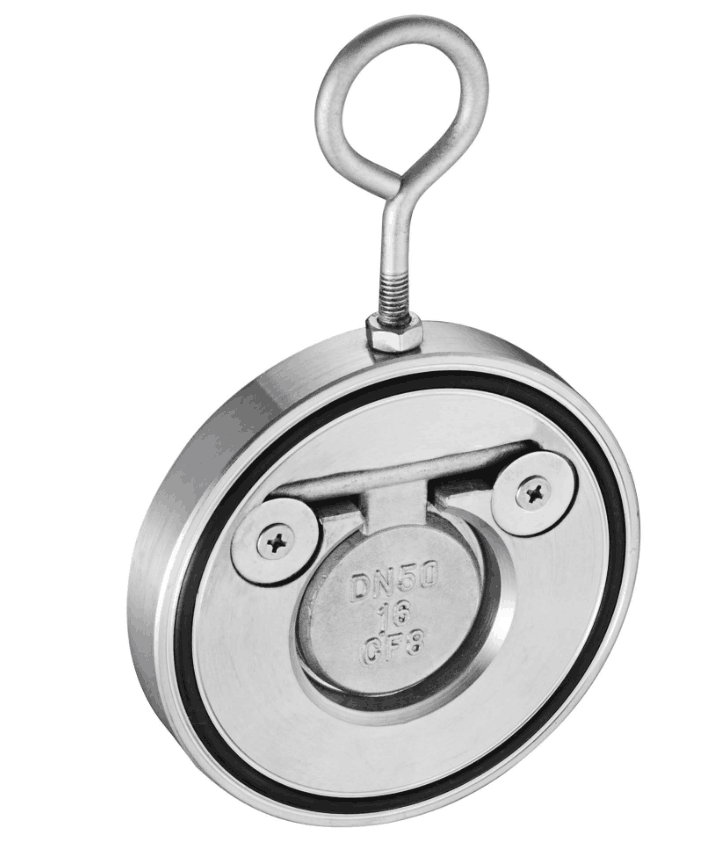

Stainless Steel Check Valves


How to maintain the check valve daily?


The stainless steel check valve should be regularly inspected when placed for a long time. Every three months on the two channels, sealing surface dirt and rust, welding port protection condition, wiping the dirt and rust, and re-painting rust oil to protect. The check valve should be stored in a dry and ventilated indoor, moisture-proof, rain-proof, and rust-proof. The stainless steel check valve should be stored or transported in the closing device, the valve should be fixed in the open position, the inner mouth of the two ends of the passage with foam board blocking, and the port must be stuffed with a boring cover, to dust, rust, keep the channel clean and flat end, cylinder parts for appropriate packaging protection, shock, and anti-touch.


If you are interested in purchasing stainless steel check valves, visit our website: https://www.ballvalvess.com/ to get more professional information about Stainless Steel Check Valves. We will welcome you with high-quality products and good service as well as low prices! To provide comprehensive technical support to our customers, we will provide technical and other related information promptly upon request.


Related Products

Explore the Valves in This Article
Nominal Size: 1 inch / DN25, range 1/4 to 12 inch Pressure Class: ASME Class 150, 19.6 bar at 38°C; Class 300 optional Body Material: ASTM B148 C95800 nickel aluminum bronze Body Type: Two piece, bolted Ball: C95800, SS316 hard faced optional Stem: C95800 or SS316, blowout proof Seat: PTFE, RPTFE, PPL, or reinforced PTFE Packing: PTFE or graphite combined packing End Connection: Threaded NPT / BSPT, flanged RF to ASME B16.5 optional Service Temperature: -29°C to +150°C standard, +200°C high temperature version Seawater Velocity Limit: About 6 m/s clean, 4.5 m/s with sand Design Standard: API 608, ASME B16.34 Test Standard: API 598, ISO 5208 Operation: Lever standard, pneumatic or electric optional
Size Range: 2 to 56 inch (DN50 to DN1400) Pressure Class: ASME Class 150 to 2500 / PN20 to PN420 Body Material: WCB, LCB, CF8, CF8M, CF3M, duplex, alloy steel Ball: Stainless with hard chrome, ENP, Stellite or tungsten carbide overlay Seat: PTFE, RPTFE, PPL, or metal Stellite faced Seat Arrangement: SPE, DPE (DIB-1), or combination (DIB-2) Packing: Live loaded graphite, ISO 15848-1 qualified Fire Test: API 607, also API 6FA and ISO 10497 Fugitive Emission: ISO 15848-1 class B or A, with temperature and cycle class stated Face to Face: ASME B16.10 short or long pattern End Connection: Flanged RF / RTJ to B16.5 and B16.47, butt weld to B16.25 Features: Double block and bleed, sealant injection, anti-static, anti-blowout stem Design Standard: API 6D, API 608, ASME B16.34, ISO 14313 Operation: Lever, gear, pneumatic, electric, hydraulic, gas over oil Sour Service: NACE MR0175 available
Nominal Size: 1-1/2 inch / DN40 Pressure Rating: 1000 WOG (68.9 bar cold working, non-shock) Body Type: Three piece, bolted end caps, four body bolts Body Material: ASTM A351 CF8 (304), CF8M (316) optional Ball: CF8, polished Ra 0.4 µm, full or reduced bore Seat: PTFE, RPTFE, PPL, or Stellite faced metal Body Gasket: PTFE to 180°C, graphite above Packing: PTFE V-ring to 200°C, graphite above End Connection: NPT, BSP, socket weld B16.11, butt weld B16.25, flanged RF Actuator Mounting: ISO 5211 F05 / F07 pad Air Supply: 0.4 to 0.7 MPa clean dry air Service Temperature: -29°C to +260°C, seat dependent Design Reference: MSS SP-110 general purpose, ASME B16.34 body wall Test Standard: API 598, ISO 5208
Nominal Size: 3/4 x 1/2 inch (DN20 x DN15), reduced bore Pressure Class: ASME Class 600 / PN100, 102.1 bar at 38°C Body Material: ASTM A182 F51 forged duplex, UNS S31803 PREN: Approximately 35 Ball: F51 with HVOF tungsten carbide or Stellite overlay Stem: F51, SS316 or 17-4PH, blowout proof Seat: RPTFE, Devlon, PEEK, or Stellite faced metal Bolting: B8M Class 2, alloy 718, or B7M for sour service End Connection: NPT, BSP, socket weld ASME B16.11, butt weld ASME B16.25 Bleed Port: Cavity bleed with plug or needle valve, lockable option Service Temperature: -29°C to +300°C, seat dependent Design Standard: API 6D, API 608, ASME B16.34 Test Standard: API 598, ISO 5208, cavity test through bleed port Sour Service: NACE MR0175 available