


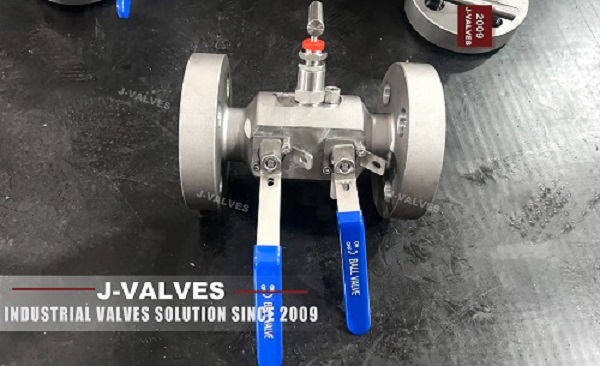
Double Block and Bleed (DBB) ball valves are widely used in oil and gas, petrochemical, chemical processing, and industrial pipeline systems where reliable isolation is critical. Among the various components that determine valve performance, the seat material plays a vital role in sealing efficiency, operating torque, and service life. Polytetrafluoroethylene (PTFE) has become one of the most commonly used seat materials in industrial DBB ball valves due to its excellent sealing characteristics and broad chemical compatibility.
What Are PTFE Seats?
PTFE seats are sealing elements positioned between the valve body and the ball. Their primary function is to create a tight seal that prevents media leakage when the valve is in the closed position.
Known for its low friction coefficient and chemical stability, PTFE provides smooth valve operation while maintaining dependable sealing performance under a wide range of operating conditions.
Advantages of PTFE Seats in DBB Ball Valves
Excellent Sealing Performance
One of the main reasons PTFE is widely used in DBB ball valves is its ability to provide bubble-tight shut-off. The material can conform to minor surface irregularities on the ball, creating an effective seal and minimizing leakage.
This characteristic is particularly important in applications requiring reliable isolation and system integrity.
Low Operating Torque
PTFE has an exceptionally low coefficient of friction, allowing the ball to rotate smoothly during opening and closing operations. Reduced friction helps lower operating torque requirements, making manual operation easier and improving actuator efficiency.
Broad Chemical Resistance
PTFE is resistant to a wide range of chemicals, including:
Water and seawater
Hydrocarbon fluids
Natural gas
Acids and alkalis
Various industrial solvents
This versatility makes PTFE-seated DBB ball valves suitable for numerous industrial processes.
Corrosion Resistance
Unlike metallic sealing materials, PTFE is not susceptible to rust or electrochemical corrosion. This contributes to longer service life and reduced maintenance requirements in corrosive environments.
Applications of PTFE-Seated DBB Ball Valves
Due to their reliable sealing and chemical compatibility, PTFE seats are commonly used in:
Oil and gas transmission pipelines
Petrochemical processing plants
Chemical handling systems
Water treatment facilities
Marine and offshore applications
Industrial utility systems
In these applications, PTFE seats help ensure consistent valve performance and operational safety.
Design Considerations
While PTFE offers many advantages, proper material selection should consider operating conditions such as temperature, pressure, and media characteristics.
For standard industrial services, PTFE performs exceptionally well. However, in extremely high-temperature or abrasive applications, reinforced PTFE, PEEK, or metal seats may be considered to enhance durability and wear resistance.
Engineers should evaluate process requirements carefully to ensure the selected seat material delivers optimal long-term performance.
Maintenance Benefits
PTFE seats contribute to simplified valve maintenance due to their:
Low wear characteristics
Smooth operating performance
Resistance to chemical attack
Reliable sealing capability
When properly installed and operated within their design limits, PTFE-seated DBB ball valves can provide extended service intervals and reduced lifecycle costs.
Conclusion
PTFE seats play a critical role in the performance of industrial DBB ball valves. Their excellent sealing capability, low friction properties, chemical resistance, and corrosion resistance make them one of the most popular seat materials across a wide range of industries.
For applications requiring dependable isolation, smooth operation, and long-term reliability, PTFE-seated DBB ball valves remain an efficient and cost-effective solution for modern industrial pipeline systems.


