

LATEST NEWS

From Material To Product: 0.75" 150LB C95800 Top Entry Floating Ball Valve
Explore 0.75 inch Class150 C95800 Nickel Aluminum Bronze top entry floating ball valve. Raw material inspection, precision casting and pressure test for seawater & marine corrosive service.

API 6D Technical Insights into A105 Trunnion Ball Valve Low Torque
Based on authoritative API 6D pipeline valve standard, explore technical logic behind low‑torque performance of A105 forged trunnion ball valve. Compare with floating ball valve, learn real‑world benefits for oil & gas and petrochemical projects.
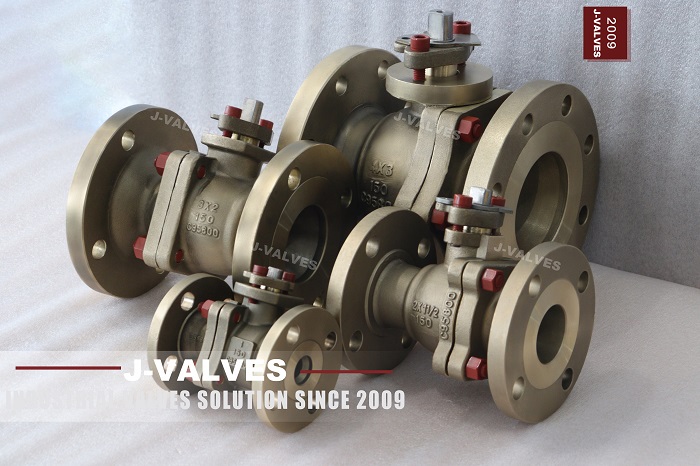
API 608 Guide To Selecting C95800 Floating Ball Valves
In‑depth analysis of C95800 nickel‑aluminum bronze floating ball valve selection following API 608 specification. Cover material compliance, structural parameters, service condition matching and acceptance test for offshore, seawater desalination & coastal chemical projects.

Inside The Valve Factory: 3PC Trunnion Ball Valve Manufacturing
Step‑by‑step factory tour of 3‑piece trunnion mounted ball valve production. Manufactured per API 6D, for oil & gas, chemical high‑pressure pipeline projects. Contact J‑VALVES for quotes.

Factory 3PC Trunnion Ball Valves Show Professional Manufacturing Capability
I. Mass‑Production Real‑Scene Shows True Industrial Valve CompetenceIn J‑VALVES manufacturing workshop, large quantities of finished 3‑piece (3PC) trunnion‑mounted ball valves are neatly stacked on wooden pallets, with completed coating and protected flange ends, real‑life deliverable goods for larg

API 6D Defines 1/2" 1500LB A105N 2PC Flanged Ball Valve
Comprehensive guide to API 6D 1/2‑inch Class 1500 A105N 2‑piece flanged ball valve. Learn material A105N performance, pressure rating, API 6D requirements, process industry application & valve selection tips.

Why Oil And Gas Choose API 6D 3PC Trunnion Ball Valves
API 6D 3‑piece trunnion ball valves deliver high‑pressure tight sealing, fire‑safe performance for oil gas pipeline, refinery and upstream midstream projects. Explore key advantages.

API 6D 3PC Trunnion Ball Valve for Pipeline Safety
API 6D 3‑PC trunnion mounted ball valve safeguards oil & gas pipeline safety via authoritative API 6D specification. Learn its structure, sealing performance and factory test requirements for critical pipeline isolation service.
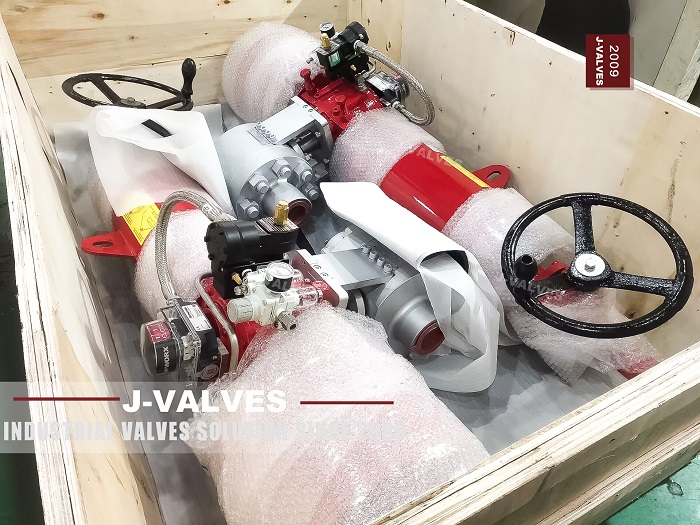
ASME B16.25 Pneumatic Butt Weld Ball Valve Ready for Shipment
Explore pneumatic butt‑weld ball valves manufactured per ASME B16.25 standard, actuator assembly, handwheel override, export wooden crate packing for oil & gas, petrochemical process pipeline service.

Two-Piece Vs Three-Piece Butt Weld Trunnion Ball Valve Construction
Butt Weld Trunnion Ball Valves are widely used in oil and gas pipelines, natural gas transmission, petrochemical plants, LNG facilities, and other high-pressure process systems. Unlike flanged valves, their ends are directly welded to the pipeline, providing a compact and robust connection.