


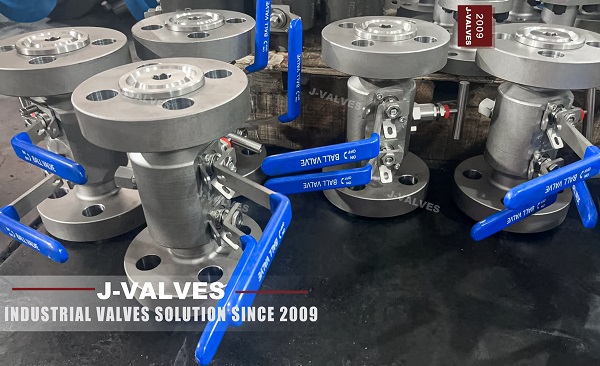
Double Block and Bleed (DBB) ball valves are critical components in high-pressure and high-reliability piping systems, providing isolation, leak detection, and enhanced safety. While the valve design ensures operational efficiency, the body material selection—particularly between carbon steel and stainless steel—is essential for performance, durability, and maintenance requirements. Understanding the advantages and limitations of each material helps engineers optimize valve performance for specific industrial applications.
1. Overview of DBB Ball Valves
A DBB ball valve integrates two isolation balls and a bleed port within a single body. This design ensures:
1.Complete isolation of upstream and downstream lines.
2.Pressure testing through the bleed port.
3.Reduced risk of cross-contamination in critical processes.
The valve body must withstand mechanical stress, temperature fluctuations, and chemical exposure, making material selection a crucial factor.
2. Carbon Steel Body: Strength and Cost-Effectiveness
Properties
1.High mechanical strength suitable for high-pressure systems.
2.Good thermal conductivity and impact resistance.
3.Generally compatible with a wide range of fluids, excluding highly corrosive chemicals unless coated.
Advantages
1.Cost-effective for large-scale installations.
2.Suitable for oil, gas, and petrochemical pipelines.
3.Easy to fabricate and weld, allowing custom sizing or modifications.
Limitations
1.Susceptible to corrosion, particularly in wet or acidic environments.
2.Requires protective coatings or paints for long-term durability.
3.Less ideal for hygienic or high-purity systems.
Typical Applications
1.Oil and gas transmission pipelines.
2.Industrial steam lines.
3.Power generation plants.
3. Stainless Steel Body: Corrosion Resistance and Longevity
Properties
1.Excellent corrosion resistance to acids, alkalis, and oxidizing agents.
2.Durable under high temperatures and extreme weather conditions.
3.Offers a smooth, hygienic surface suitable for sanitary applications.
Advantages
1.Longevity in aggressive chemical and offshore environments.
2.Minimal maintenance due to corrosion resistance.
3.Suitable for high-purity fluid systems, such as pharmaceuticals and food processing.
Limitations
1.Higher initial cost compared to carbon steel.
2.Slightly lower impact strength in certain grades, requiring careful selection for high-pressure systems.
3.Fabrication and welding can be more challenging.
Typical Applications
1.Chemical and petrochemical plants.
2.Offshore oil and gas platforms.
3.Food, beverage, and pharmaceutical processing.
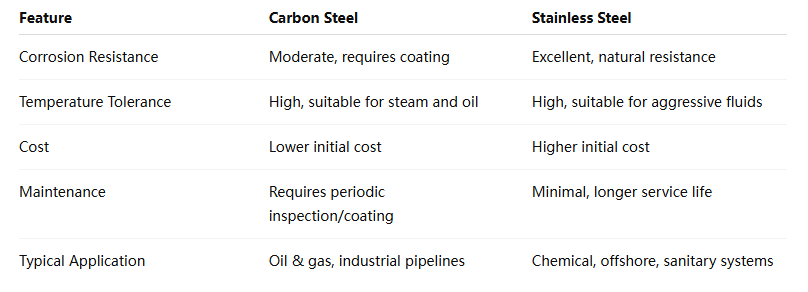
4. Material Comparison: Carbon Steel vs Stainless Steel
5. Factors to Consider in Material Selection
1.Fluid Compatibility: Analyze chemical composition and temperature of the fluid. Corrosive fluids favor stainless steel.
2.Operating Pressure and Temperature: Both materials handle high pressures, but carbon steel may require thickness adjustments.
3.Environmental Conditions: Offshore or humid conditions favor stainless steel due to natural corrosion resistance.
4.Maintenance Strategy: Consider lifecycle costs, not just initial purchase price.
5.Regulatory Requirements: Sanitary and food-grade applications may mandate stainless steel.
6. Conclusion
Selecting the appropriate DBB ball valve body material is crucial for safety, reliability, and cost optimization:
1.Carbon steel is ideal for high-pressure, non-corrosive environments, offering strength and affordability.
2.Stainless steel provides superior corrosion resistance, longevity, and suitability for aggressive or sanitary applications.
By evaluating operational conditions, fluid properties, and environmental factors, engineers can make informed decisions that enhance valve performance and system safety while minimizing maintenance requirements.


