

CHINA J-VALVES Offers Various High-quality I ndustrial Ball Valves
J-VALVES, a distinguished professional ball valve manufacturer rooted in China, takes pride in its extensive product portfolio. Our offerings span a wide range, including trunnion-mounted ball valves, floating ball valves, high-temperature ball valves, high-pressure ball valves, metal-sealed ball valves, ultra-low temperature ball valves, DBB ball valves, Three-way And Four-way Ball Valve, and fully welded ball valves. Each product is a testament to our commitment to precision engineering and reliable performance. Meticulously crafted, they are designed to not only meet but exceed the most stringent industrial demands, ensuring stable operation even under extreme conditions. This enables us to provide our clients with high-value services and makes our valves widely sought-after in industries.
Product Category
Contact Us


Pressure Class: PN16 to PN40, Class 150 to 300
Temperature Range: -29°C to +200°C, extended type to +250°C
Body Material: X675 alloy steel, A105, A350 LF2, F304, F316
Ball: Hardened X675, 316 stainless or 17-4PH
Seat: PTFE, RPTFE, PEEK, or metal seat with Stellite hardfacing
Stem: 17-4PH or 316 stainless, anti blowout
Packing: Graphite or PTFE V rings
Body Style: Two piece or three piece, floating ball
End Connection: Flanged RF / RTJ, butt weld to ASME B16.25
Design Standard: API 6D, API 608, ASME B16.34
Test Standard: API 6D, API 598, ISO 5208, ISO 14313
Leakage: Rate A soft seated, rate V or VI metal seated
Operation: Lever, worm gear, pneumatic, electric
-
Q41F-16C
-
J-VALVES
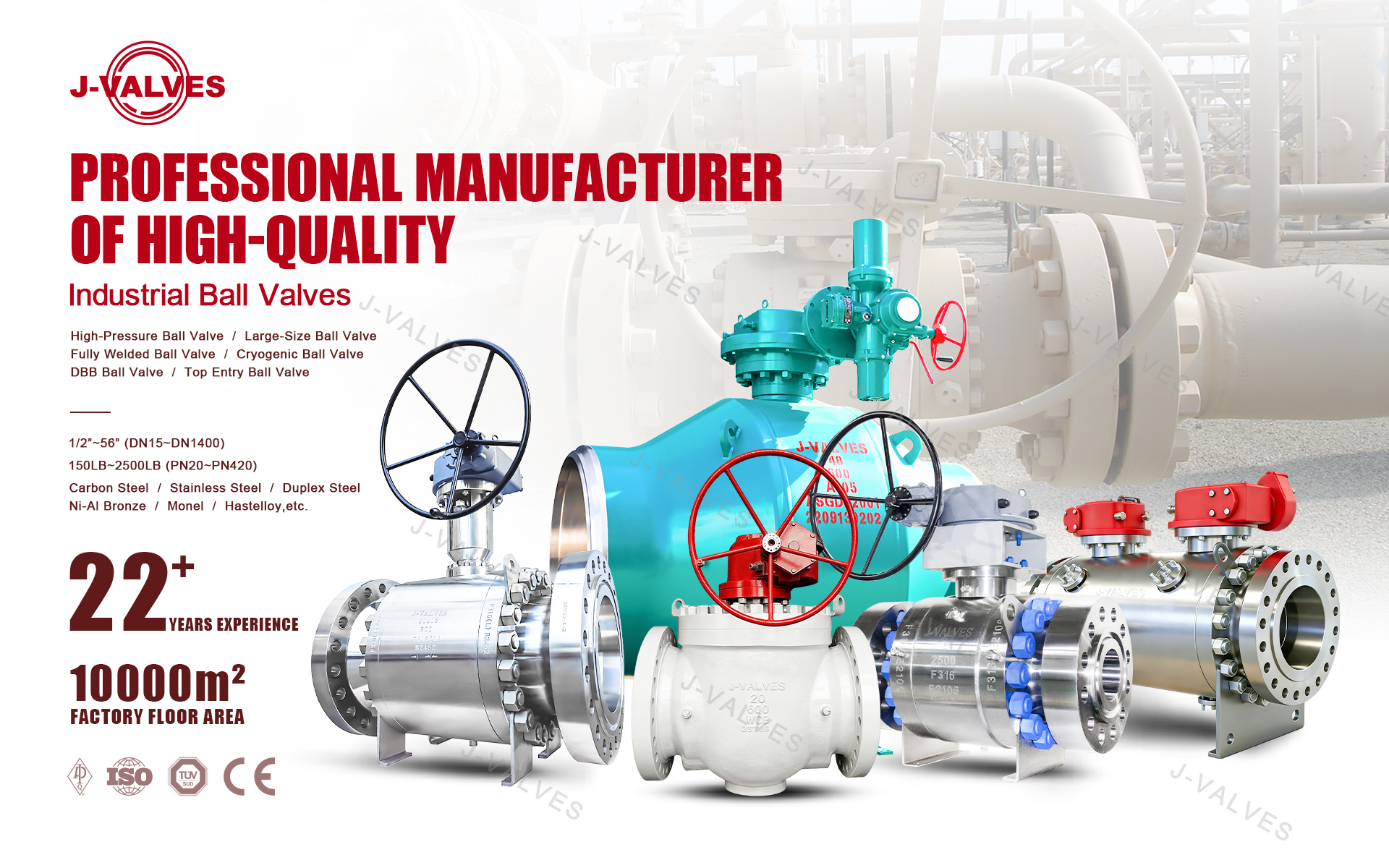
The X675 series is a floating ball valve for small bore pipeline duty in the DN40 to DN80 range, rated PN16 to PN40, built to API 6D and supplied with RF or RTJ flanges or butt weld ends. It is the valve that sits on a chemical plant branch, a product loading line or a fuel gas take off, where the line is small but the isolation requirement is written to pipeline standards rather than to a general purpose valve standard.
J-VALVES builds this series in DN40, DN50, DN65 and DN80 with ductile cast or forged bodies in X675 alloy steel, A105, LF2, F304 or F316, PTFE or RPTFE seats as standard and metal seats on request. Sizes above DN80 move to a trunnion mounted body, because the seat thrust from a floating ball stops being manageable with a lever.
What the X675 Designation Covers, and What It Does Not
X675 is a series designation used for this small bore pipeline range, not a material specification in ASME or EN. That distinction matters when a purchasing department asks for a certificate: the body material is confirmed against A105, A350 LF2, F304 or F316 on the material certificate, and the X675 marking on the valve refers to the design series. If a specification calls for X675, ask which standard the material is certified to, because a series number alone cannot be certified.
The practical consequence is that the enquiry should name both: the series for geometry and the material grade for the certificate. That single sentence prevents the most common argument on this product, which is a valve delivered to the correct drawing with a certificate the buyer cannot file.

Why DN40 to DN80 Is Its Own Design Problem
At DN40 the valve is small enough that a lever is comfortable and the seat thrust is modest. At DN80 the seat thrust has grown by a factor of four for the same pressure, the lever is at the edge of what an operator can pull comfortably, and the stem has become the part that decides whether the valve survives a hard handed operator. The DN40 to DN80 band is exactly where a floating ball design is at its economic limit.
Nominal size | PN16 | PN40 | Class 150 | Class 300 | Recommended operator |
|---|---|---|---|---|---|
DN40 (1-1/2 inch) | 16 bar | 40 bar | 19.6 bar | 51.1 bar | Lever, 200 mm |
DN50 (2 inch) | 16 bar | 40 bar | 19.6 bar | 51.1 bar | Lever, 250 mm |
DN65 (2-1/2 inch) | 16 bar | 40 bar | 19.6 bar | 51.1 bar | Lever or small gear |
DN80 (3 inch) | 16 bar | 40 bar | 19.6 bar | 51.1 bar | Gear recommended above PN25 |
The pressure figures in that table are the room temperature ratings and they are not interchangeable between systems. PN16 and Class 150 are both about 16 to 19.6 bar, but the flange drilling differs: PN16 uses 18 mm bolts on a 160 mm circle at DN80, Class 150 uses 19 mm bolts on a 152.4 mm circle. A valve ordered as PN16 will not bolt to a Class 150 flange without an adapter, and the gasket will not centre correctly.
How a Floating Ball Seals, and Why It Matters at PN40
A floating ball has no trunnion. Line pressure pushes the ball downstream into the downstream seat, and that same pressure increases the sealing force. It is a self energising design, which is why a floating ball valve seals better as pressure rises and why it needs so little torque to operate when new.
The cost is that the upstream seat does the work only when the valve is closed and the pressure reverses, and that the seat carries the full thrust. At PN40 and DN80 the thrust is in the order of 20 kN, which a PTFE seat will carry but a thin seat ring will deform under. That is why the seat ring thickness and the pocket depth are the two dimensions to check on a small bore pipeline valve, and why a cheap DN80 PN40 valve often leaks after a handful of cycles.
API 6D and API 608 Are Not the Same Document
Item | API 6D | API 608 |
|---|---|---|
Scope | Pipeline valves, including design, materials, welding, testing | Metal ball valves for general refinery and industrial service |
Pressure test | Shell 1.5 times rating, seat 1.1 times, specified hold times | Similar, but less prescriptive on documentation |
Documentation | Material traceability, NDE, test records by serial number | General requirement, lighter |
Fire test | API 607 / API 6FA referenced | API 607 referenced |
Typical buyer | Pipeline, EPC, gas and oil transmission | Chemical plant, general industry |
A valve can be built to both, and on this size most are. The distinction becomes real at the documentation stage: an API 6D valve arrives with a serial number that links to a shell test record and a material heat number, and an API 608 valve may arrive with a certificate that covers a batch. If the plant has a pressure systems file, that difference decides the purchase.
Fire Safe, Anti Static and Blowout Proof in Small Bore
Three features are non negotiable on any valve in fuel gas or hydrocarbon service, and they are the ones most often quietly deleted to hit a price. The fire safe design keeps a metal to metal secondary seat that closes when the PTFE is burned away, and it is proved by an API 607 test on the actual design, not on a similar one. The anti static device bonds the stem, ball and body so that static cannot accumulate across the seat. The blowout proof stem is retained by the body or bonnet so that pressure cannot eject it.
On a DN50 valve these features cost little. On a valve that claims them without a test report they cost everything, because the claim cannot be defended after an incident. Ask for the certificate number and the design it was tested on.

Testing and the Records That Come With It
The shell test is at 1.5 times the 38°C rating and the seat test at 1.1 times, with the seat result reported against API 598 or ISO 5208. On a soft seated valve the expected result is rate A, zero leakage, and that is achievable at this size. A metal seated option should be quoted at rate V or VI instead, and the two should never be mixed in one purchase order without stating which is which.
The standard package is a 3.1 material certificate, a dimensional report, the shell and seat records and a fire safe certificate. NACE MR0175 is available for sour service and changes the bolting and the trim hardness, so it should be named at enquiry. Painting is RAL 5015 sky blue unless another system is specified.

Specifying a Small Bore Pipeline Valve
DN and the pressure system: PN or Class, not both, because the flange drilling differs.
Face to face dimension, especially if the valve replaces an existing one in a spool.
Body material and the standard it is certified to, not only the series name.
Seat type and leakage rate, stated separately for soft and metal options.
End connection: RF, RTJ, butt weld or threaded, and the pipe schedule for weld ends.
Fire safe, anti static and NACE requirements, named at enquiry rather than after award.
Whether the valve needs an ISO 5211 pad for a future actuator.
Test witnessing and the document language, which delays more deliveries than material does.
X675 Floating Ball Valve FAQ
What is an X675 floating ball valve?
It is a small bore pipeline ball valve in the DN40 to DN80 range, rated PN16 to PN40, with a floating ball and a two or three piece body, built to API 6D. X675 is a series designation, so the body material should be confirmed separately against A105, LF2, F304 or F316 on the certificate.
What is the difference between PN16 and Class 150?
The pressure ratings are close, about 16 bar against 19.6 bar at room temperature, but the flange drilling is different. At DN80, PN16 uses 18 mm bolts on a 160 mm bolt circle and Class 150 uses 19 mm bolts on a 152.4 mm circle. The two will not bolt together without an adapter and the gaskets do not interchange.
Why is a floating ball used up to DN80 and a trunnion above it?
Because the seat thrust from line pressure grows with the square of the bore. Up to about DN80 a floating ball can carry that thrust with a practical seat ring and a lever, and the self energising seal is an advantage. Above that the torque and seat stress make a trunnion mounted ball the more reliable design.
Can this valve be used in sour service?
Yes, with NACE MR0175 specified at enquiry. That changes the bolting to a sour service grade, limits the hardness of the trim and may change the body material. A standard valve cannot be converted to NACE after manufacture, so the requirement has to be on the purchase order.
What leakage rate should a DN50 PN40 soft seated valve achieve?
API 598 rate A, which is zero visible leakage, and that is realistic at this size with a PTFE or RPTFE seat. A metal seated version should be quoted at rate V or VI instead, and the purchase order should state which seat type each line item refers to.
Is an API 6D certificate needed for a small valve?
It depends on the system. API 6D brings serial number traceability, defined NDE and a documented test record, which a pressure systems file usually needs. For utility water or instrument air, API 608 is often sufficient and cheaper. The decision is about documentation, not about the valve being stronger.
Hot Products


News
Ball Valves in A Kraft Pulp Mill: Black Liquor, Green Liquor And The Cost of Choosing The Alloy by Habit
White liquor at pH 14 cracks carbon steel welds, black liquor sets solid below 100 C, green liquor dregs grind seats: alloy choice and torque in a kraft mill.
Read More
Slug Flow And Ball Valves: What Actually Arrives At The Seat
A slug is liquid mass with momentum, not a pressure spike. What changes at the seat, in the cavity and at the actuator when liquid reaches a ball valve.
Read More
Ball Valves in Direct Lithium Extraction: PH 1 Eluate, Gypsum Scale And 438,000 Cycles in Twenty-Five Years
Direct lithium extraction swings valves from pH 1 eluate to pH 12 caustic, 48 column switches a day and gypsum scale. Materials, seats and torque.
Read More
Ball Valves in Geothermal Brine: Silica Scale, Chloride Cracking And The Cooling Trap
Why geothermal brine destroys ball valves: retrograde silica scale, calcite at the flash point, chloride cracking above 60 C and the 250 C seat limit.
Read More