
CHINA J-VALVES Offers Various High-quality I ndustrial Ball Valves
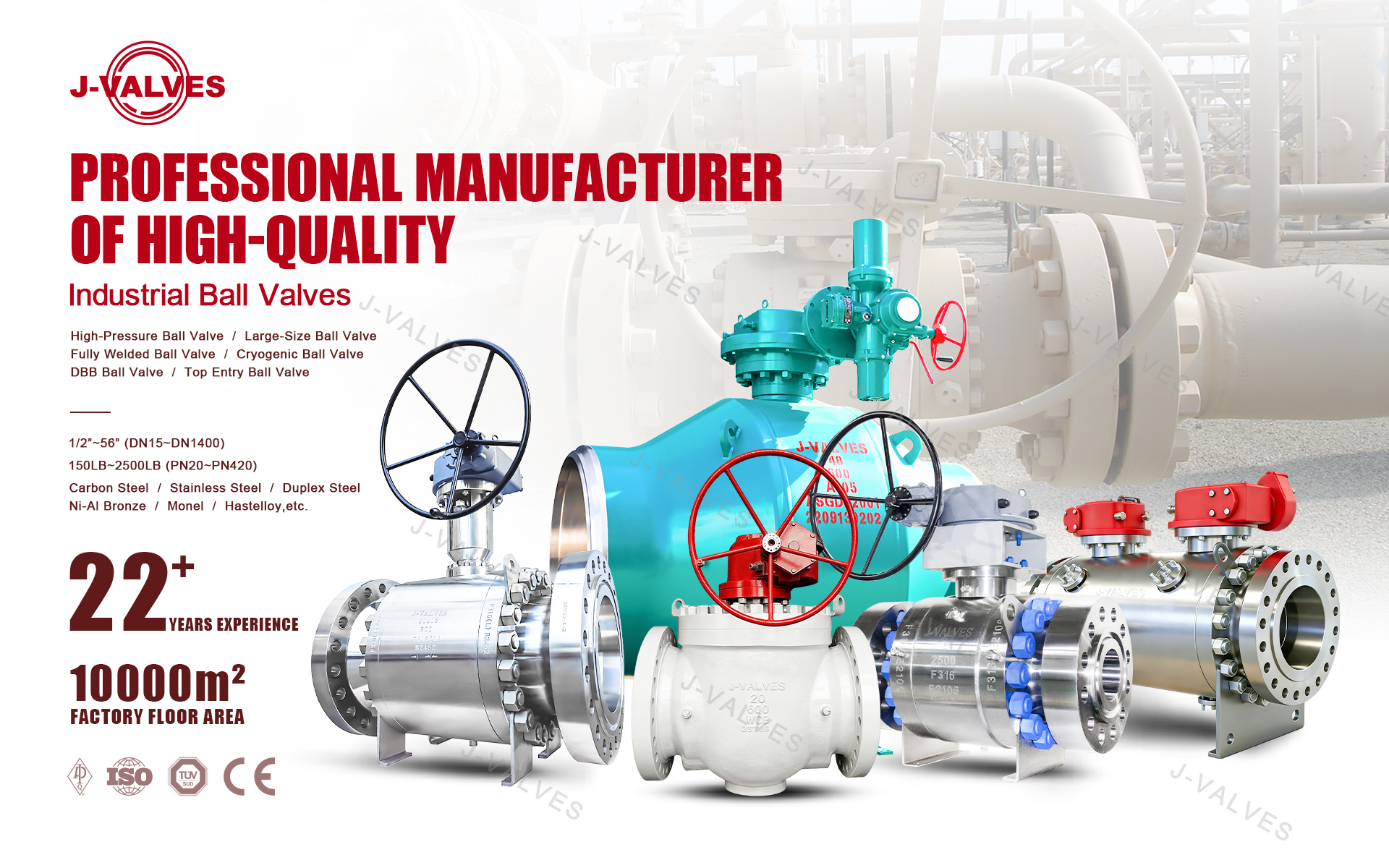
J-VALVES, a distinguished professional ball valve manufacturer rooted in China, takes pride in its extensive product portfolio. Our offerings span a wide range, including trunnion-mounted ball valves, floating ball valves, high-temperature ball valves, high-pressure ball valves, metal-sealed ball valves, ultra-low temperature ball valves, DBB ball valves, Three-way And Four-way Ball Valve, and fully welded ball valves. Each product is a testament to our commitment to precision engineering and reliable performance. Meticulously crafted, they are designed to not only meet but exceed the most stringent industrial demands, ensuring stable operation even under extreme conditions. This enables us to provide our clients with high-value services and makes our valves widely sought-after in industries.
Product Category
Contact Us


Pressure Class: 150LB (PN16)
Temperature Range: -29℃ to +425℃
Body / Bonnet: WCB (carbon steel, economical); CF8 (304 stainless steel, general corrosion resistance); CF8M (316 stainless steel, chloride corrosion resistance)
Ball: Solid WCB / CF8 / CF8M, or with ENP (electroless nickel plating) / hard chrome surface treatment
Stem: CF8 / CF8M, SUS304 / SUS316, or 2Cr13 stainless steel
Seat Sealing: PTFE (-20℃~150℃); RPTFE (glass fiber reinforced PTFE, -20℃~180℃); PPL (polyphenylene, -29℃~280℃)
Packing: PTFE V-rings or flexible graphite
Gasket: Flexible graphite stainless steel spiral wound gasket or PTFE envelope gasket
Bolts: SUS304 / SUS316 stainless steel or ASTM A193 B7 (zinc plated)
End Connection: Flanged (RF Raised Face, EN 1092-1 PN16 / GB/T 9113 PN16); optional NPT female thread, SW socket weld or BW butt weld ends
Operation: Manual (lever with locking hole); optional pneumatic (single/double acting) or electric actuator
Design Standards: API 608, ASME B16.34, GB/T 12237
Testing Standards: API 598, GB/T 13927
Face-to-Face Dimension: In accordance with GB/T 12221
-
J-VALVES
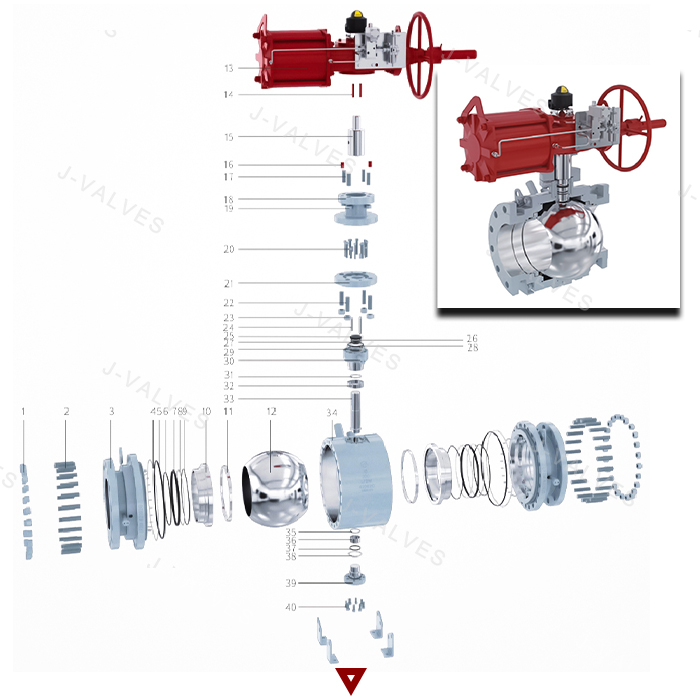
Multiple Material Options for Valve Body:The valve body is available in WCB carbon steel, CF8 (304) stainless steel, or CF8M (316) stainless steel, covering all application requirements from general service to corrosive media.
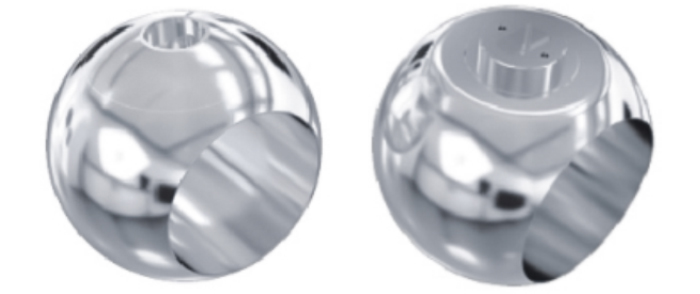
3-Way Ball Passage Design:The ball is machined with an internal L-port or T-port 3-way passage, enabling various flow combinations: straight-through flow, diversion, convergence, and full shut-off. One valve replaces multiple 2-way valves, simplifying the piping system.
Floating Ball Self-energized Sealing:Under medium pressure, the ball floats freely and forms a self-energized seal by tightly contacting the downstream seat. The higher the pressure, the more reliable the sealing. The structure is simple, responsive, and easy to maintain.
Full Bore Design:DN25 full bore flow passage matches the pipeline inner diameter, featuring extremely low pressure drop, high flow efficiency, and allows pig passage.
Flanged Connection:RF (Raised Face) flanges comply with EN 1092-1 PN16 or GB/T 9113 PN16, compatible with European and Chinese standard piping systems for easy installation and maintenance.
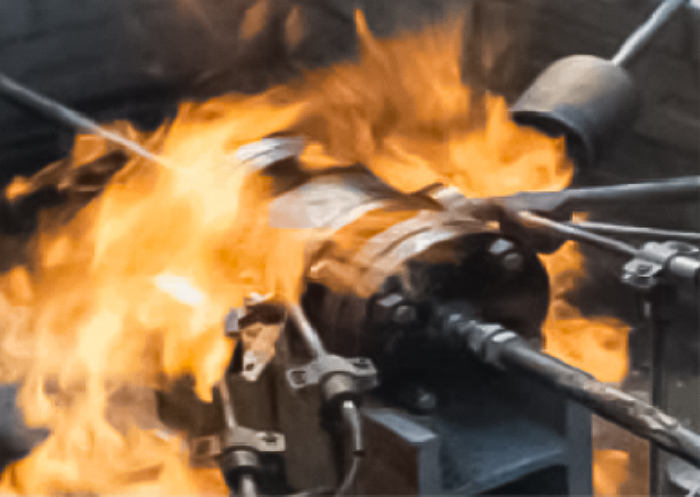
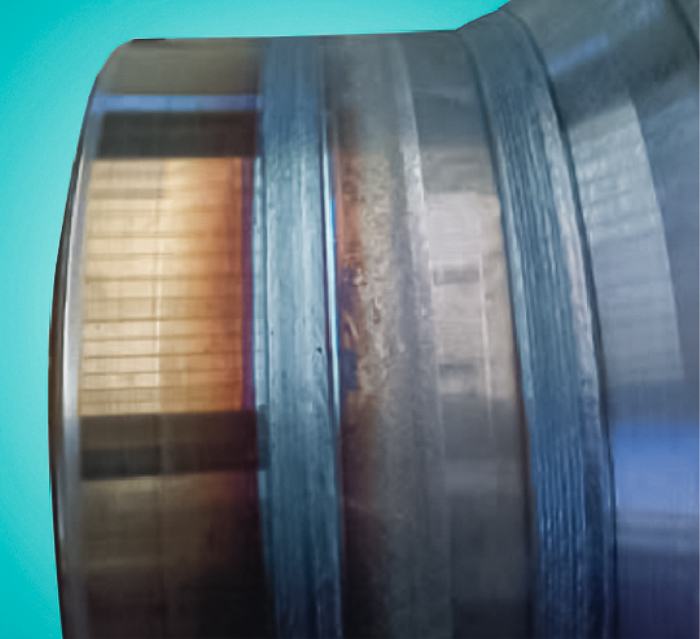
Fire-Safe Design:Compliant with API 607. In the event of PTFE/RPTFE seal burnout, a secondary metal-to-metal seal is formed between the metal ball and seat ring, preventing media leakage under fire conditions.
DN25 PN16 Three Way Floating Ball Valve 3D Diagram
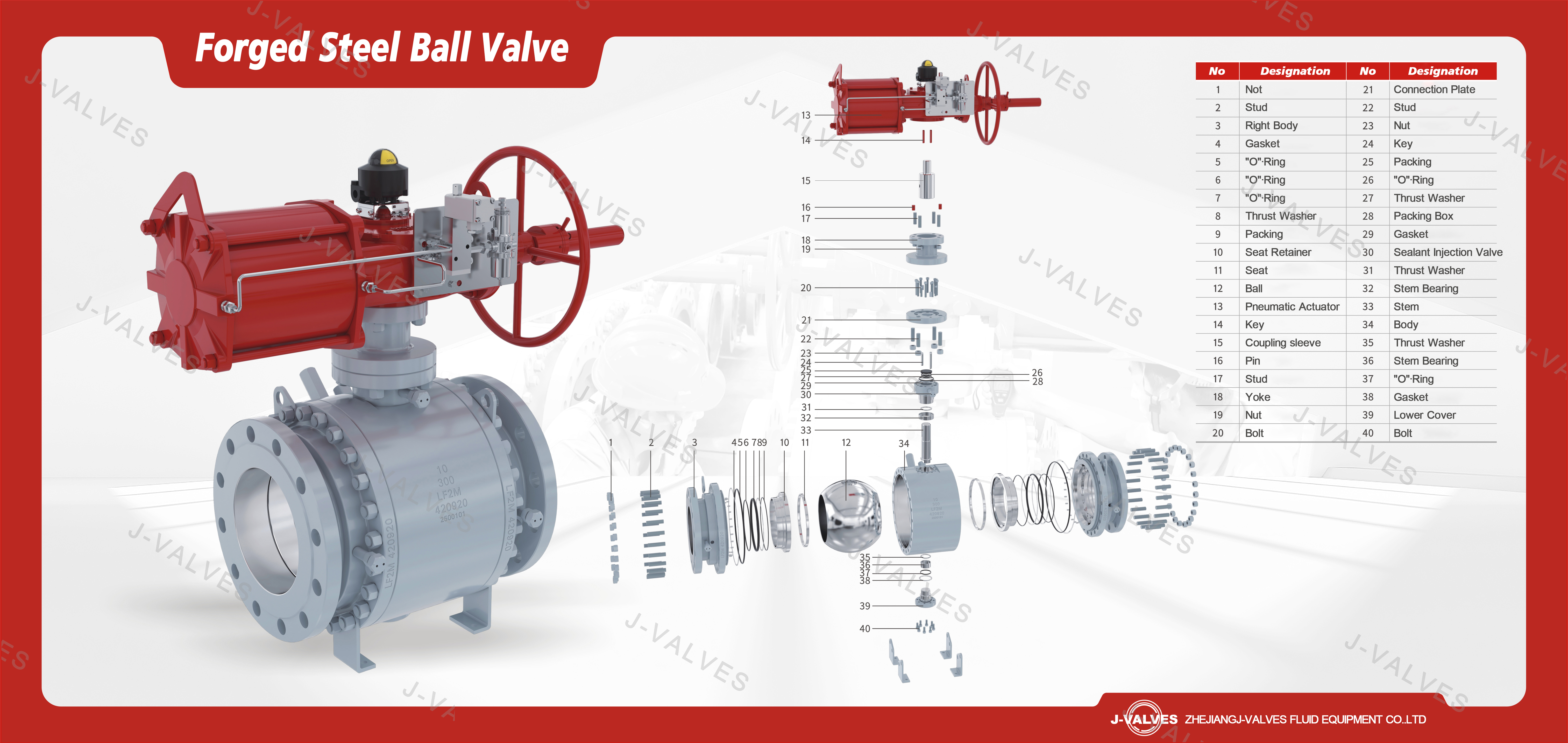
2-3 piece body
Full andreduced bore trunnion mounted
Double block and bleed
Single or double piston effect design anti-blow out stem
Anti-static device
Firesafe to AP1-607/6FA/IS0 10497 springloaded seats
Sealant in jection on request NACE MR-01-75
API Licenses:
API6D
API6DSS
API6A-PSL4
Pressure Class:
ASME 150-2500
API 2000-15000
Service Type:
Standard Temperature:-29℃ to 220℃/-20°F to 428°F
Low Temperature:-46℃ to 150℃/-50°F to 302°F
Cryogenic Temperature: -47℃ to -196℃/-52°F to-320°F
Subsea(Shallow &Deep Water)
Underground
High Temperature:Above 220℃/428°F
J-VALVESSPE can supply a range ofseat types and configurationsto meet specific process needs:
J-VALVES trunnion mounted ball valves standard seat ringsare soft-seated by the use of athermoplastic or elastomeric or Meta
Seats-Tungsten /Chrome carbide /ENP

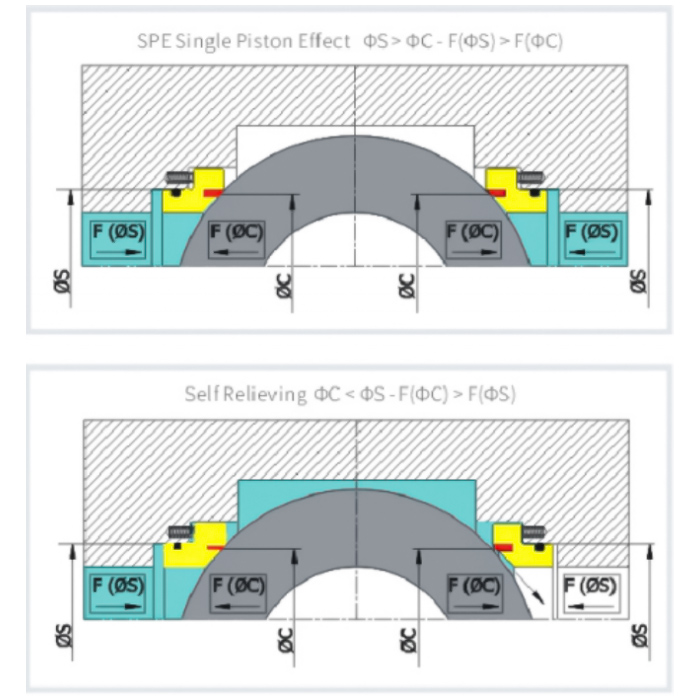
Single Piston (SPE) , Double Piston effect (DPE) and Combination (SPE x DPE) seats are available.
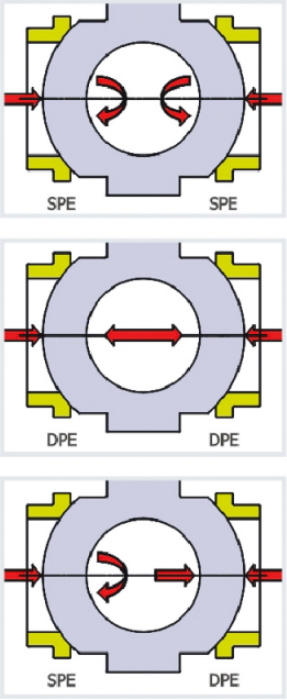
| Seat Design | Single piston effect (SPE) | Double piston effect(DPE)-DIB 1 | Combined DIB 2 |
| Bi-directional sealing | Yes | Yes | Yes |
| Body-Cavity Self relieving | Yes | No | Yes |
| Double Barrier | No | Yes | Yes (preferred direction only) |

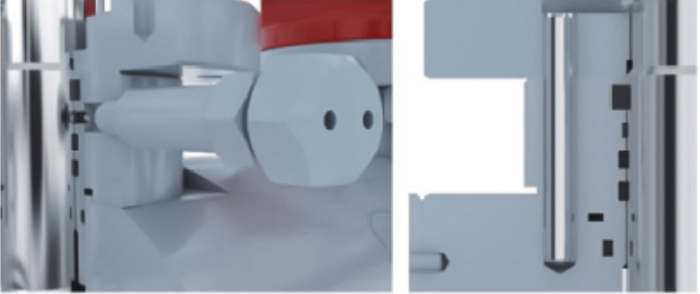
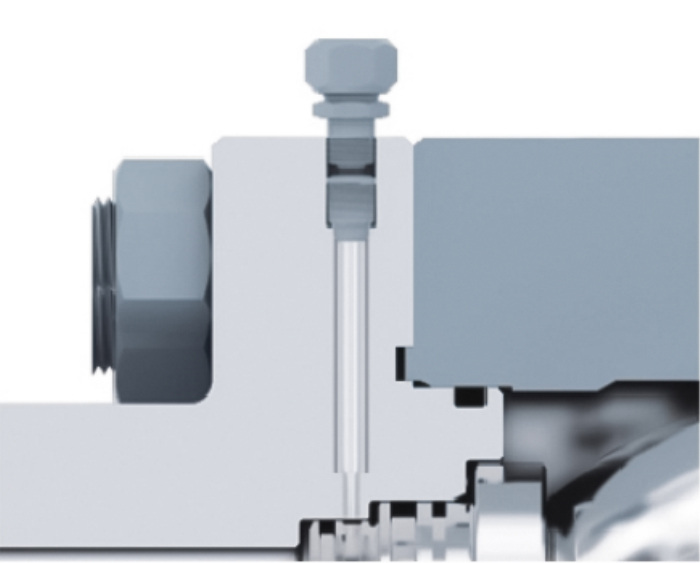
Emergency Seat Injection
Emergency grease in jection fitting forseat rings are standard for6" and larger valves and as option on sizes 2"-4".
An eedle valve, complete with non return check valve is screwed in the bodyand connected to theseatrings.
The emergency sealantinjection can temporarily solve leakage problems, seatsshall be re paired at the first opportunity.
For valves smaller than 6" seat sealant in jection fitting can beprovided in the body cavity
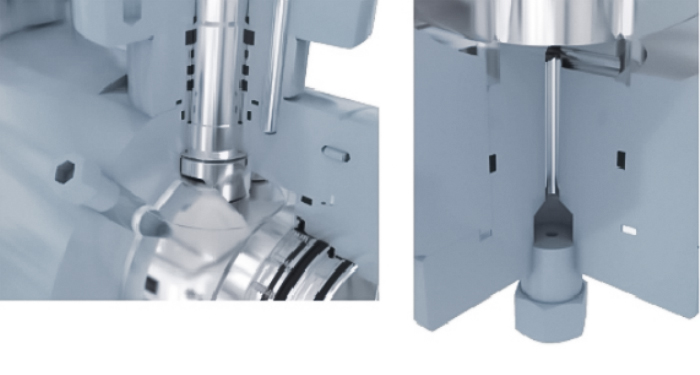
Body Vent & Drain
All J-VALVES SPE TMBV are complete with ascrewed NPT Plug, located in thelower side of the body completedraining of the body cavity.
For valves up to size 4"the drain and vent are combined in oneport.
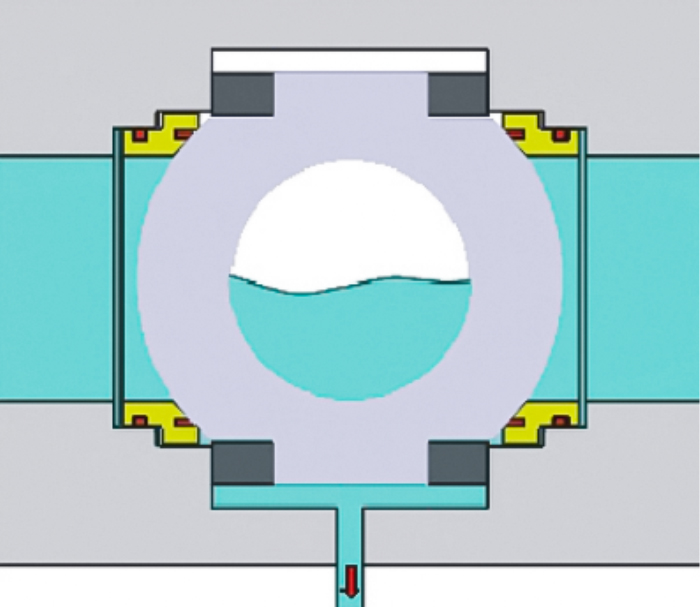
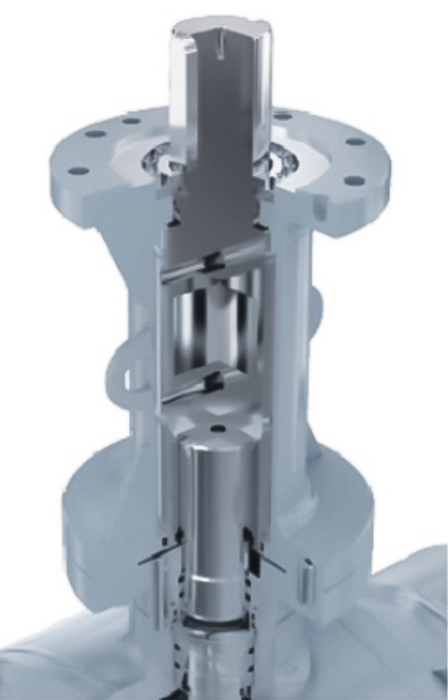
Extended Stem
Extended stem is supplied for Underground in stalla tion.
The stem seals arelocated inthe body Gland Plate.
The stem extension isnot affected by eventual stem seal failure.
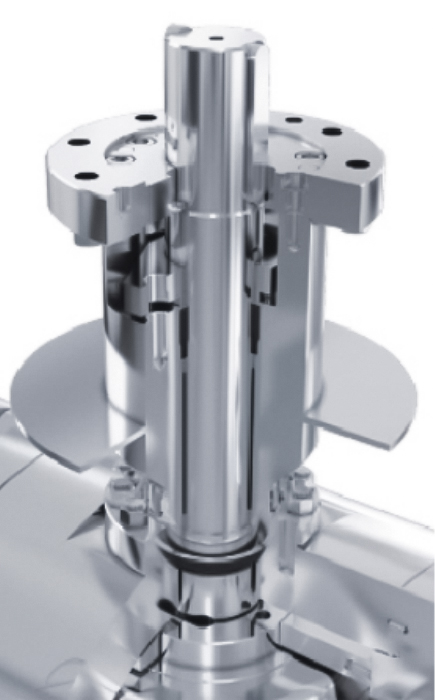
Double Piston Effect
Extended bonnets are available for Cryogenic or high temperature service or special applications requiring this facility features.





Hot Products


News
Stainless Steel Ball Valve Grades: 304, 316 And 316L, And What Actually Decides
Molybdenum is the difference that decides the duty, carbon is the difference that gets missed, and the chloride in the line matters more than the price.
Read More
Ball Valve Spare Parts for Overseas Projects: The Wear Part List, The Quantity Math, And Four Traps
Why isolation valves fail on calendar time, not cycles. Wear part lists, Poisson stock maths, seat kit traps and the clauses that decide year six.
Read More
Ball Valves On A Bottom Loading Gantry: Creep, Dry Break And The Test That Proves Neither
A loading gantry cycles a ball valve far more than it is designed for and still cannot prove shut-off. Where creep starts, and what to specify.
Read More
Lined Ball Valves in Acid Service: The Liner Does Not Fail, The Steel Behind It Does
The valve came out of the line looking better than most valves that come out of a hydrochloric acid line. Three inch, PFA lined, cast body, Class 150, fourteen months in service on a 32 percent acid transfer duty at 55 to 60 degrees C, about forty open and close cycles a week. The paint was intact.
Read More