


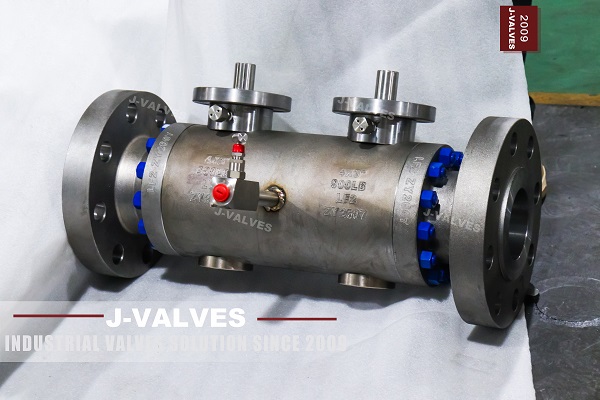
Double Block and Bleed (DBB) ball valves are critical components in industrial fluid systems, providing complete isolation of pipelines, leak testing capabilities, and enhanced operational safety. Their reliability is essential for continuous industrial operations, particularly in oil & gas, chemical, and power generation sectors. Proper maintenance ensures long service life, leak-free performance, and uninterrupted operation.
1. Understanding DBB Ball Valve Functionality
DBB ball valves incorporate two isolation balls and a bleed port within a single body. This design allows:
1.Complete pipeline isolation without additional valves.
2.Leak detection and venting through the bleed port.
3.Reduced risk of cross-contamination in critical fluid systems.
Due to their complex internal structure, DBB ball valves require regular inspection and proactive maintenance to maintain optimal performance.
2. Routine Maintenance Practices
2.1 Visual Inspection
1.Inspect the external body for signs of corrosion, wear, or leakage.
2.Check the actuator or handle for smooth operation and secure attachment.
3.Ensure that all bolts and flange connections are tight and free of damage.
2.2 Actuator and Stem Maintenance
1.For pneumatic or electric actuators, check for proper alignment and operation.
2.Lubricate the stem and actuator coupling according to manufacturer recommendations to prevent seizing.
3.Verify that the torque settings match operational requirements, preventing under- or over-tightening.
2.3 Seat and Seal Inspection
1.The internal ball seats should be inspected for wear, erosion, or deformation.
2.Seal replacements (PTFE, PEEK, or metal) should be performed based on operational cycles and fluid compatibility.
3.Check the bleed port sealing mechanism to ensure it functions properly during isolation.
3. Cleaning and Debris Management
1.Ensure that process fluids are filtered before reaching the DBB valve to reduce erosion and debris accumulation.
2.Periodically operate the bleed port to flush out contaminants trapped between the isolation balls.
3.Avoid using aggressive chemicals or abrasives that could damage C95800, stainless steel, or carbon steel valve bodies.
4. Pressure Testing and Safety Checks
1.Conduct regular pressure tests to verify seat integrity and detect potential leaks.
2.Test the bleed port functionality to ensure proper venting of isolated sections.
3.Maintain log records of testing intervals, detected leaks, and corrective actions to predict maintenance needs.
5. Preventive Maintenance Scheduling
A structured preventive maintenance program prolongs valve life and minimizes unplanned downtime:
1.Weekly visual inspections: Check for leaks or actuator issues.
2.Monthly operational testing: Cycle the valve to ensure smooth movement.
3.Quarterly seal and seat inspection: Replace worn components before failure.
4.Annual full inspection: Disassemble and inspect internal components, perform cleaning, lubrication, and seat replacement if needed.
6. Material Considerations for Longevity
DBB ball valves are constructed from materials selected to withstand pressure, temperature, and fluid type:
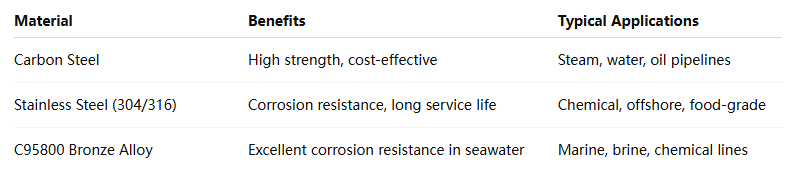
Selecting the correct material for the body, seats, and seals is critical for reducing maintenance frequency and ensuring reliable operation.
7. Troubleshooting Common Issues
1.Leakage Between Balls: Check seats and replace worn or deformed components.
2.Stiff Operation: Inspect stem, actuator, and lubrication.
3.Bleed Port Malfunction: Clean or replace seals to restore proper venting.
4.Corrosion or Erosion: Review material selection and consider process filtration upgrades.
8. Conclusion
Effective maintenance of DBB ball valves is essential for continuous industrial operation, ensuring:
1.Leak-free isolation of pipelines
2.Reliable seat and bleed port performance
3.Extended valve service life and minimized downtime
By implementing routine inspections, preventive maintenance schedules, and proper material selection, engineers can optimize valve reliability and protect critical industrial processes.


